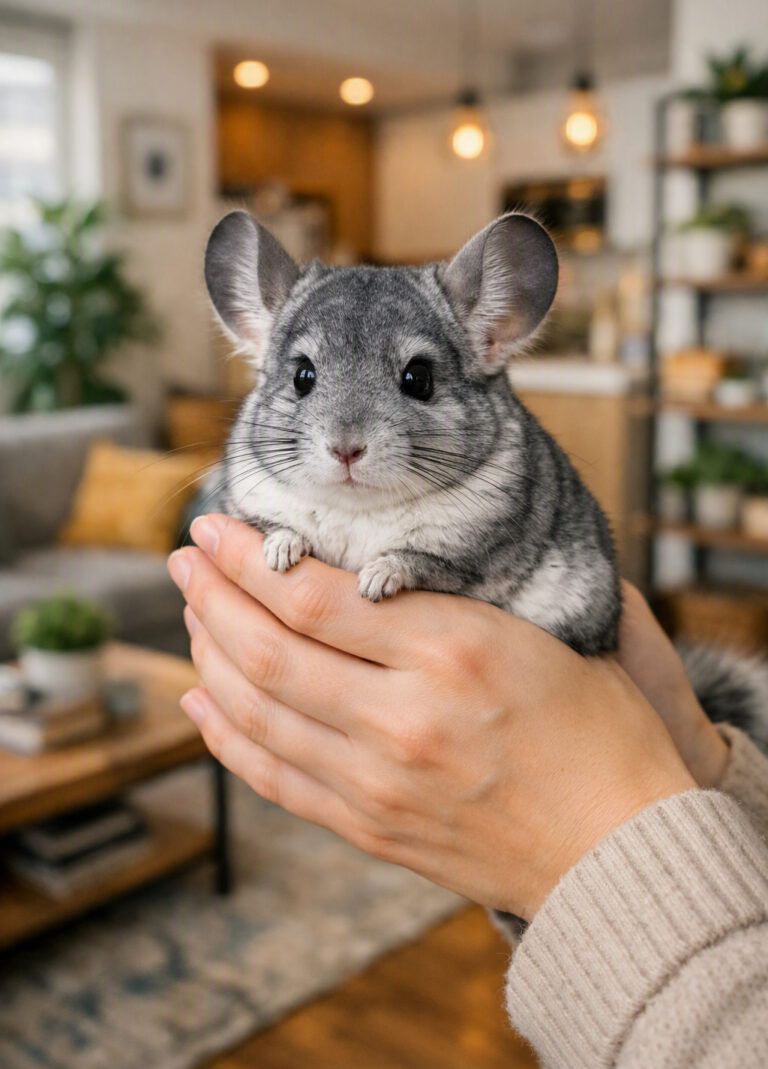
If you love animals but have a busy schedule and are looking for pets that can be left alone, finding the right companion can feel surprisingly difficult. After all, you want a pet that fits into your lifestyle without compromising its well-being. The good news is that some animals are naturally more independent than others and can handle spending part of the day on their own.
However, there’s an important difference between an independent pet and a pet that can safely be ignored. Every animal still needs fresh food and water, appropriate housing, enrichment, health care, and attention. So, the better question isn’t really, “Which pet can I leave alone all day?” but rather, “Which pet can comfortably handle some time alone while I’m away?”
With that in mind, let’s take a look at some of the best pets that can be left alone for reasonable periods, and what you should know before bringing one home.
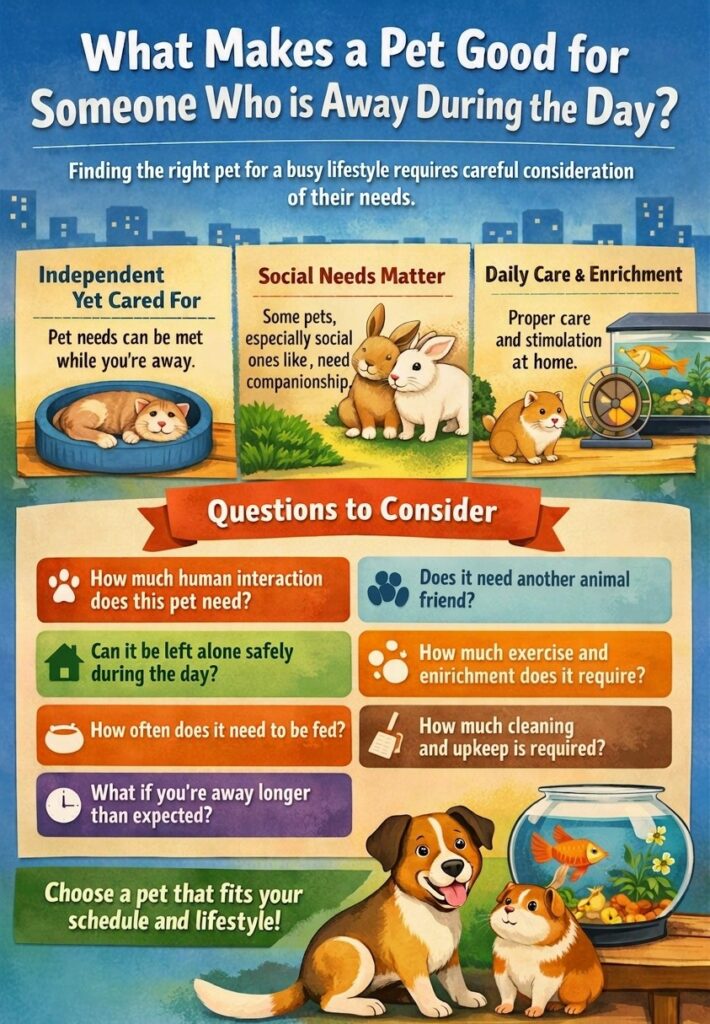
But First, What Makes a Pet Good for Someone Who Is Away During the Day?
If you’re looking for pets that can be left alone, it’s important to consider more than simply how long they can stay on their own. A pet’s personality, social needs, activity level, and daily care requirements all play a role in whether it will be a good match for your lifestyle. If you work long hours, spend most of the day at school, or are frequently away from home, you need an animal that can remain comfortable and well cared for while you’re gone. At the same time, you should be prepared to give it the attention, exercise, enrichment, and care it needs when you’re home.
Some animals are naturally more independent and can spend several hours without constant human interaction. They may sleep, explore their enclosure, forage, or simply follow their own routine while you’re away. This can make them a better match for people who are looking for pets that can be left alone during the day.
However, being independent doesn’t mean an animal doesn’t need attention. Every pet still needs appropriate food and fresh water, a safe and comfortable living environment, regular cleaning, enrichment, and proper health care. Some animals also have important social needs that shouldn’t be overlooked.
This is particularly important when choosing a pet for a busy household. For example, rabbits are sometimes described as low maintenance pets because they are relatively quiet and don’t need to be taken for walks like dogs. But their social needs make them a poor choice for someone looking for an animal that can simply spend the day alone. Rabbits are highly social animals and generally benefit from living with a compatible rabbit, meaning that human attention alone shouldn’t be considered a substitute for appropriate companionship.
The same principle applies to other small animals. Guinea pigs, for example, are social and have specific housing and dietary requirements, while dogs generally need regular exercise, interaction, training, and opportunities to go outside. A pet may be small or relatively easy to care for without being suitable for someone who is away from home for most of the day.
So, when looking for pets for busy people, the goal shouldn’t be to find an animal that needs no attention. Instead, look for a pet whose needs can realistically be met around your schedule.
Consider questions such as:
- How much human interaction does this animal need?
- Does it need companionship from another animal?
- Can it safely spend part of the day without someone at home?
- How much exercise or enrichment does it require?
- Does it need to be fed several times a day?
- How much cleaning and daily maintenance does its living space require?
- What happens if you’re unexpectedly away longer than planned?
For someone who works all day, an independent adult cat, a properly cared-for hamster, fish, or certain reptiles may be easier to accommodate than a high-energy or highly social animal. However, even these pets still need regular care and attention when you’re home.
Ultimately, the best pet for your lifestyle is one whose physical, social, and mental needs you can consistently meet. Instead of asking, “What is the easiest pet to leave alone?”, ask whether you can provide everything that animal needs before you leave, while you’re away, and after you return home.
That approach will help you find a companion that works with your routine while making sure you’re still giving your pet the care it deserves.
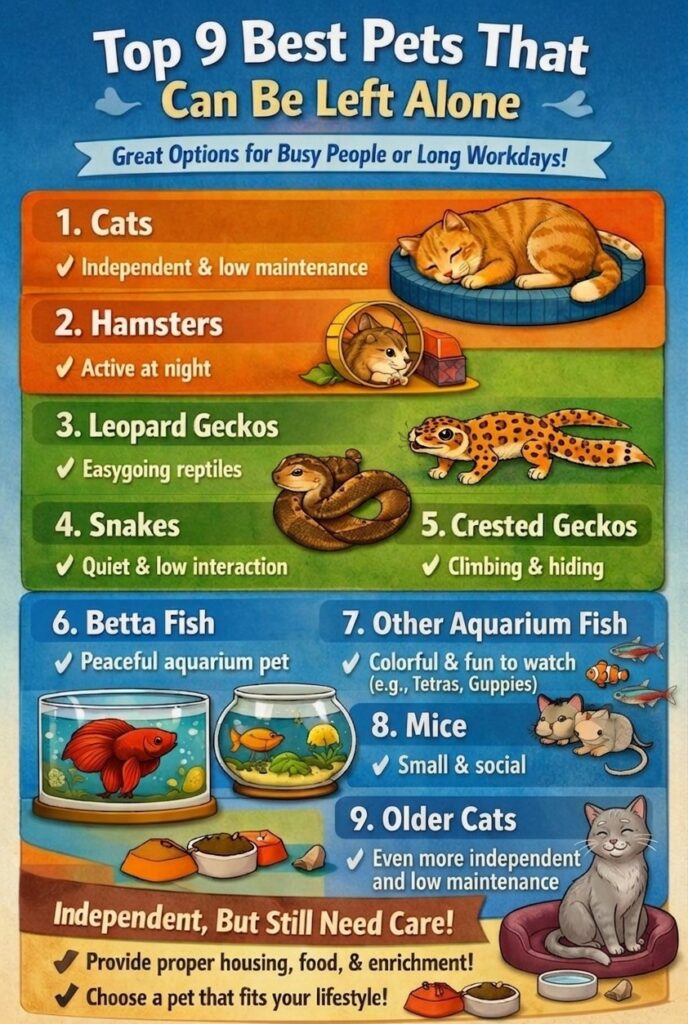
Top 9 Best Pets That Can Be Left Alone
1. Cats
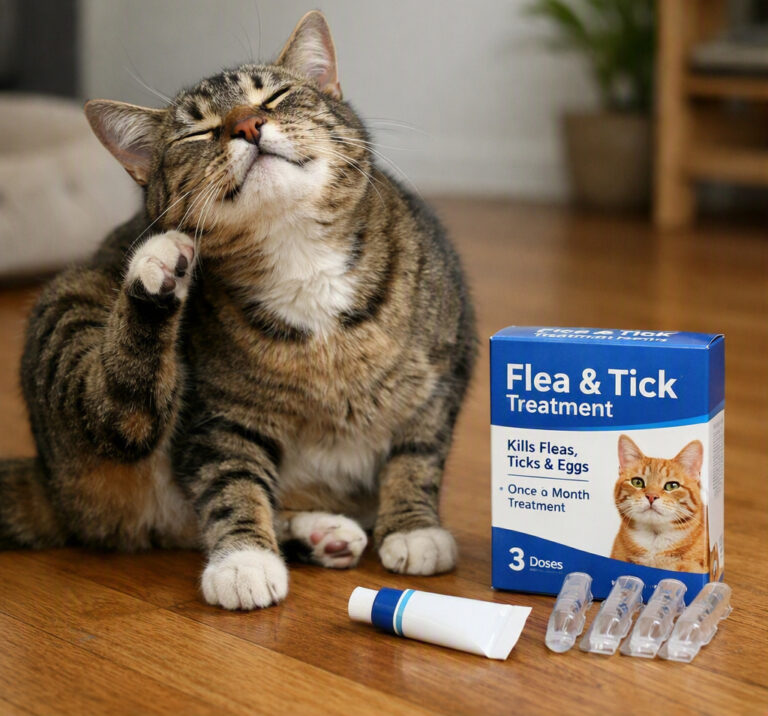
Cats are probably one of the first animals to consider when looking for pets that can be left alone for part of the day.
Unlike dogs, many adult cats don’t need someone constantly entertaining them. They sleep for substantial portions of the day and can spend time independently exploring, watching birds through a window, playing with appropriate toys, or simply relaxing.
That doesn’t mean cats should be ignored.
A cat still needs daily interaction, fresh water, appropriate food, a clean litter box, scratching opportunities, playtime, and veterinary care. Indoor cats also benefit from places to climb, hide, explore, and rest.
For someone who works or studies during the day, an adult cat with an independent temperament may be a better fit than a kitten.
Why cats can work for busy people who are looking for pets that can be left alone
- They don’t require outdoor walks.
- Many adult cats are comfortable spending part of the day alone.
- They can entertain themselves with appropriate enrichment.
- They generally have predictable routines.
- They can adapt well to indoor living when their needs are met.
If you’re looking for a companion that wants affection but doesn’t necessarily need your attention every second, a cat may be one of the best options.
2. Hamsters
Hamsters can be a good option for someone looking for a small pet that doesn’t require constant human interaction.
They’re especially interesting because they’re generally active during the evening and night. This means their schedule can actually work well for people who spend much of the daytime away from home.
A hamster needs much more than a tiny cage, however. A suitable enclosure, deep bedding for burrowing, an appropriate wheel, hiding places, enrichment, food, and fresh water are essential.
Their small size also shouldn’t be confused with low responsibility.
Hamsters are still living animals with specific environmental and dietary needs.
Hamsters are a good choice if you:
- Want a small companion.
- Are away from home during much of the day.
- Prefer observing an animal rather than constantly handling it.
- Can provide a properly enriched enclosure.
- Are comfortable with a nocturnal or evening-active pet.
If your schedule is busy but you still want a small animal to care for, a hamster may be worth considering.
3. Leopard Geckos
If you’re interested in reptiles, leopard geckos are another animal to consider when looking for pets that can be left alone.
They don’t require the same type of constant social interaction that many mammals do. Once their enclosure is correctly established, much of their daily routine involves maintaining appropriate environmental conditions, providing food and water, and monitoring their health.
Their enclosure is extremely important, though.
Temperature gradients, hides, appropriate substrate, humidity, lighting, diet, and supplementation all need to be researched before getting one.
This is why I would describe leopard geckos as relatively independent rather than effortless.
They’re particularly appealing if you enjoy observing animals and learning about their natural behavior rather than looking for a pet that constantly wants physical affection.
4. Betta Fish
A betta fish can be a good choice for someone who wants a quiet pet and spends part of the day away from home.
You won’t need to walk a fish, take it outside, or provide constant entertainment. Once the aquarium is properly established, your daily routine can be relatively simple.
But don’t make the common mistake of thinking that a betta belongs in a tiny decorative bowl.
A healthy betta needs an appropriately sized, filtered aquarium, suitable water conditions, regular maintenance, hiding places or plants, and an appropriate diet.
Fish are also not completely “hands-off” pets. Water quality needs to be monitored, and aquarium maintenance is part of responsible ownership.
Why betta fish may suit busy owners
- They’re quiet.
- They don’t need human companionship in the same way as social mammals.
- They don’t require walks or outdoor exercise.
- Watching them can be relaxing.
- Their care can fit into a predictable daily routine.
For someone searching for pets that don’t need constant attention, fish are worth considering, but only if you’re prepared to maintain the aquarium properly.
5. Other Aquarium Fish
If you’re considering fish as pets that can be left alone, you’re not limited to bettas. There are many fish species that can fit well into a busy lifestyle, especially when they have a properly maintained aquarium and their care needs are understood.
A well-maintained aquarium can be a great option for someone who wants a pet that doesn’t require constant interaction. Fish don’t need to follow you around the house, play fetch, or go for walks. Instead, their well-being depends heavily on the quality of their environment, water conditions, diet, and overall aquarium care.
Some popular options include guppies, zebra danios, platies, and certain tetras. These fish can be interesting to watch and, depending on the species, can live comfortably in appropriate community aquariums. However, each species has different space, temperature, water-quality, and social requirements, so it’s important to research the specific fish before choosing one.
For example, guppies and platies are active and colorful freshwater fish, while zebra danios are energetic swimmers that can add plenty of movement to an aquarium. Small schooling fish such as neon tetras can also be appealing if you have a suitable setup and keep them in an appropriate group.
The important thing to remember is that an aquarium is an ecosystem, not just a decoration. Fish may be relatively independent compared with many mammals, but they still depend entirely on you for a healthy environment. Regular water changes, filtration, appropriate feeding, temperature control, and monitoring water quality are all part of responsible fish ownership.
So, while fish may be among the pets that can be left alone for reasonable periods during the day, they are not completely hands-off pets. A properly established and maintained aquarium is what allows them to thrive while you’re away.
Before choosing fish, research:
- Tank size
- Compatible species
- Filtration
- Water parameters
- Temperature
- Feeding
- Cleaning and maintenance
- Appropriate stocking levels
Once established correctly, a fish tank can fit surprisingly well into a busy lifestyle.
6. Snakes
For experienced or well-prepared owners, some pet snakes can be relatively independent compared with dogs or other highly social pets.
Snakes don’t generally need constant human interaction. Much of their time is spent resting, exploring, thermoregulating, or following their natural behavior.
However, this is definitely not a pet to choose simply because you want something “easy.”
A snake requires an appropriate enclosure, temperature gradient, humidity management, hides, suitable substrate, correct feeding, and regular monitoring.
You also need to be comfortable with its feeding requirements.
So while snakes may be pets that can be left alone for periods of time, they are not necessarily ideal beginner pets for everyone.
7. Crested Geckos
Crested geckos are another reptile that may appeal to people with busy schedules.
They’re relatively small, don’t require walks, and don’t need constant human companionship. Their enclosure can provide opportunities for climbing, hiding, and exploring while you’re away.
As with leopard geckos, though, the setup matters enormously.
Before getting one, learn about appropriate temperature, humidity, enclosure size, diet, supplementation, hydration, and handling.
A reptile can look like a low-maintenance pet from the outside while still requiring careful daily husbandry.
8. Mice
Pet mice are small, fascinating animals that can suit some owners who don’t have the time or space for a dog.
They’re active, curious, and entertaining to watch. They also don’t require outdoor exercise.
However, mice are social animals, and their social needs need to be taken seriously. Depending on the sex and species, housing arrangements can differ, so prospective owners should research compatible companionship and responsible grouping before bringing mice home.
Their enclosure also needs regular cleaning and plenty of enrichment.
They’re therefore better described as small pets that can spend periods without human attention, rather than pets that don’t need attention.
9. Older, Independent Cats
This may sound like a repeat of the first option, but there’s an important distinction.
If your schedule is busy, don’t automatically assume that a kitten is the best choice simply because cats are independent.
Kittens are energetic, curious, and require substantial supervision, socialization, play, and care.
An adult or senior cat with a known calm and independent personality may be much easier to match with a busy lifestyle.
This is one reason adopting an adult animal can sometimes be a great option: you may have a better idea of its personality and daily habits before bringing it home.
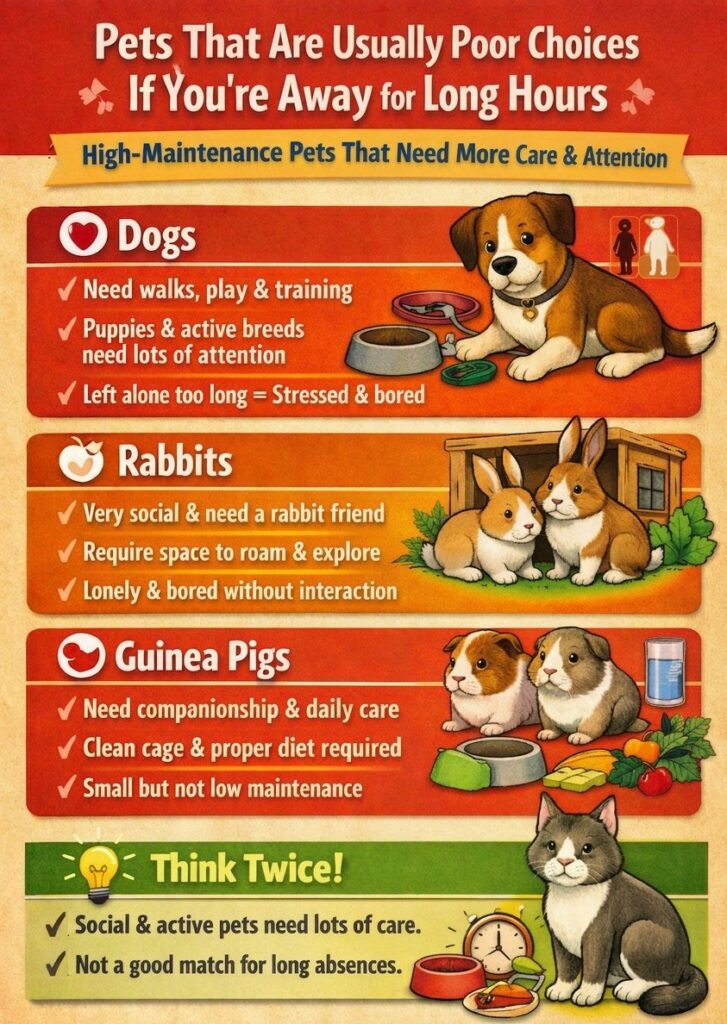
Pets That Are Usually Poor Choices If You’re Away for Long Hours
While there are plenty of pets that can be left alone for reasonable periods, not every animal is a good match for a lifestyle that keeps you away from home for most of the day.
Some pets are naturally more social, active, or dependent on regular human care. This doesn’t mean they are bad pets at all. It simply means their needs may be harder to meet if you regularly work long hours or spend most of the day away.
Dogs
Dogs can be wonderful companions, but they generally require a significant amount of human involvement. Depending on the individual dog, they may need regular exercise, training, bathroom breaks, mental stimulation, and social interaction throughout the day.
That doesn’t mean every dog needs someone beside them 24/7. Their needs can vary considerably depending on their age, temperament, health, breed, and training. An older, well-trained dog may have a very different routine from a young, energetic puppy.
However, if you’re regularly away for long hours, you need to have a plan for meeting your dog’s needs while you’re gone. This could involve a dog walker, pet sitter, daycare, or someone else who can provide a bathroom break and some interaction during the day.
For this reason, dogs may not be the easiest choice if you’re specifically searching for pets that can be left alone while you’re at work or school.
Rabbits
Rabbits are another example of a pet that is sometimes incorrectly described as low maintenance. They’re relatively quiet and can live indoors, but that doesn’t mean they are happy spending most of the day alone.
Rabbits are highly social animals and generally benefit from living with a compatible rabbit. They also need enough space to move around, opportunities to explore and forage, enrichment, a suitable diet, and regular health care.
If you’re looking for a pet that can comfortably stay independent while you’re away, a rabbit may therefore not be the best fit. Their social and environmental needs need to be considered just as carefully as their feeding and housing requirements.
Guinea Pigs
Guinea pigs are adorable, relatively small, and often considered beginner-friendly pets. However, their small size can make their care requirements easy to underestimate.
Guinea pigs are social animals and generally do best with appropriate companionship. They also need a suitable diet, enough living space, hiding areas, enrichment, and regular cleaning.
This means they shouldn’t be chosen simply because they appear easier to care for than a dog or cat. If you’re away from home for most of the day, you need to make sure their social and environmental needs can still be met.
Ultimately, the fact that a pet is small or quiet doesn’t automatically make it suitable for a busy lifestyle. Before choosing an animal, consider its social needs, activity level, and daily care requirements rather than focusing only on how long it can physically go without you.
Looking for more pets that fit a busy lifestyle? Check out our guides to low maintenance pets, quiet pets, affordable pets, and pets for small apartments to find an animal that matches your routine, space, and budget
Frequently Asked Questions About Pets That Can Be Left Alone
How long can pets be left alone?
There isn’t one answer that applies to all pets. How long an animal can safely stay alone depends on its species, age, health, temperament, social needs, and environment.
For example, a healthy adult cat may be comfortable while you’re at work for a normal day, whereas a young kitten needs much more frequent care and supervision. Fish and reptiles may not require constant human interaction, but their enclosures and aquariums still need to provide stable conditions while you’re away.
If you’re choosing pets that can be left alone because you work or study during the day, think of a normal work or school day as very different from leaving an animal completely unattended for several days.
Can I leave my cat alone while I’m at work?
For many healthy adult cats, being alone during a normal workday can be manageable, particularly if they have access to fresh water, food, a clean litter box, safe spaces, and enrichment.
However, cats are individuals. Some are perfectly content to sleep while their owners are away, while others are more social and may become bored or stressed. Experiences shared by cat owners online commonly range from around 8–10 hours during a workday to much longer periods, but these are individual experiences rather than universal recommendations.
Kittens, elderly cats, cats with health problems, and newly adopted cats generally need more supervision and shouldn’t automatically be treated like an independent adult cat.
Can I leave a cat alone overnight?
An occasional overnight absence is different from regularly leaving a cat alone for extended periods. If you need to be away overnight, make sure your cat has everything it needs and consider having someone check on them, particularly if they are alone.
For longer trips, a trusted person should visit regularly to provide food and water, clean the litter box, check that the cat is safe, and provide some interaction. Many cat owners discussing longer absences recommend at least daily check-ins rather than leaving a cat completely unattended.
Can hamsters be left alone during the day?
Hamsters can generally spend much of the daytime without human interaction because they are usually most active during the evening and at night.
This can make them appealing pets for people who are away at work or school during the day. However, they still need a secure, appropriately sized enclosure, fresh water, food, bedding, hiding areas, and enrichment.
Being asleep while you’re away doesn’t mean a hamster can be ignored. You should still check on your hamster regularly and make sure its environment is clean, safe, and suitable.
How long can a hamster be left alone?
For a normal day away from home, a healthy hamster with a properly prepared enclosure can generally be independent while you’re at work or school. However, leaving a hamster completely unattended for multiple days is a different matter.
Water bottles can malfunction, food can become contaminated, and health problems can develop unexpectedly. If you’re going away overnight or for longer, it’s much safer to have someone responsible check on your hamster rather than relying entirely on an automatic feeder or water source.
Can fish be left alone while you’re at work?
Fish are among the pets that don’t require constant human interaction, so they can be a good option for people who spend the day away from home.
Healthy fish in a properly established aquarium don’t need someone watching them throughout the day. Their main needs are a stable environment, appropriate filtration, suitable temperature, good water quality, and an appropriate feeding routine.
However, an aquarium should never be treated as something you can simply leave unattended for days without preparation.
How long can fish be left alone?
For a normal work or school day, healthy fish in a properly maintained aquarium generally don’t need human interaction while you’re away.
Going away for several days is different. Before traveling, you need to consider feeding, water quality, filtration, temperature, and what would happen if equipment failed. Having someone knowledgeable check the aquarium can provide an important safety net.
It’s also usually better to avoid overfeeding fish simply because you’re going to be away. More food isn’t necessarily better and can contribute to water-quality problems.
Are reptiles good pets for people who work all day?
Some reptiles can be a good match for people who work or study during the day because they don’t generally require constant human interaction.
Leopard geckos and crested geckos, for example, spend a significant amount of time resting and following their own routines. However, their apparent independence shouldn’t be confused with easy care.
Their enclosure must provide the appropriate temperature, humidity, hides, substrate, lighting where required, food, and water. If those conditions aren’t maintained correctly, simply being able to leave the animal alone for several hours doesn’t make it a suitable pet.
Can I leave pets alone for a whole weekend?
It depends heavily on the animal.
A healthy adult cat, for example, may cope with a period of independence better than a puppy or highly social animal, but that doesn’t mean you should automatically leave it completely unattended for an entire weekend.
For longer absences, arrange for someone responsible to check on your pet. They can make sure food and water are available, clean the enclosure or litter box, look for signs of illness or injury, and provide appropriate interaction.
This is especially important because an accident can happen at any time. A water bowl can spill, an automatic feeder can malfunction, or an animal can become sick while you’re away.
What pets can be left alone for 8 hours?
If you’re looking for pets that can be left alone during a typical workday, some of the more suitable options may include healthy adult cats, hamsters, fish, and certain reptiles, provided their individual care requirements are properly met.
The important thing is not simply whether an animal can physically survive eight hours without you. You also need to consider whether it will have enough enrichment, companionship, environmental stability, and care.
What pets can be left alone for 12 hours?
Twelve hours is a much longer period, so you should be more careful about choosing an animal based solely on its independence.
An occasional long day may be manageable for some healthy adult animals, but regularly leaving a pet alone for 12 hours can make it more difficult to meet its social, exercise, feeding, and enrichment needs.
If your normal schedule means you’re away for 12 hours including commuting, think about how you can break up that time. Depending on the animal, a family member, pet sitter, dog walker, or other form of care may be necessary.
What pets should I avoid if I’m away from home all day?
Dogs, rabbits, and guinea pigs may require more consideration if you’re specifically looking for a pet that can spend most of the day independently.
Dogs often need regular exercise, bathroom opportunities, training, and social interaction. Rabbits and guinea pigs have important social and environmental needs that shouldn’t be overlooked simply because they’re small or quiet.
This doesn’t mean you can’t own these animals while working full-time. It means you need a realistic plan for meeting their needs when you’re away.
Are pets that can be left alone also low-maintenance pets?
Not necessarily.
A pet can be relatively independent without being low maintenance. Fish are a good example: they don’t need constant attention from their owners, but maintaining a healthy aquarium requires regular work.
The same is true for reptiles. A leopard gecko may happily spend time without human interaction, but its enclosure still needs to be correctly maintained.
So, when searching for pets that can be left alone, don’t automatically assume that the most independent animal will also be the easiest to care for.
What should I do if I regularly work long hours?
If you’re away from home for most of the day, choose a pet based on your entire routine rather than just the hours you’re gone.
Think about how much time you have in the morning and evening, whether you travel frequently, whether someone else can help with care, and whether you can afford a pet sitter when necessary.
The best pets for busy people are not necessarily those that need the least attention. They are animals whose needs you can consistently meet despite your schedule.
What is the most independent pet?
There isn’t one universally “most independent” pet. Fish, certain reptiles, hamsters, and many adult cats can be relatively independent in different ways.
However, independence shouldn’t be the only factor when choosing a companion. A pet that appears easy to leave alone may have specialized housing, dietary, social, or environmental requirements that require more work than you initially expect.
The best choice is an animal whose natural behavior and care requirements genuinely fit your lifestyle.
What should I do before leaving my pet alone?
Before leaving, make sure your pet has everything it needs for the period you’ll be away. Check its food and water, secure its environment, remove potential hazards, and provide appropriate enrichment.
If you’re going to be away longer than a normal day, arrange for someone trustworthy to check on the animal. Don’t rely entirely on automatic feeders, cameras, or water dispensers because equipment can fail and these devices cannot replace a person noticing that something is wrong.
Ultimately, pets that can be left alone are best understood as pets that can comfortably spend some time independently, not pets that don’t need care. The goal is to find an animal that fits your schedule while still giving it the attention and care it deserves.
Conclusion
Finding pets that can be left alone doesn’t mean finding an animal that doesn’t need you. It means finding a companion whose natural behavior and care requirements fit your lifestyle.
For someone who works, studies, lives in an apartment, or simply has a busy daily routine, an independent adult cat, hamster, fish, or suitable reptile may be easier to care for than a high-energy dog.
But before bringing any animal home, look beyond how “easy” it appears. Consider its space requirements, diet, social needs, enrichment, veterinary care, lifespan, and the amount of attention you can realistically provide.