
You have a busy life but still want a pet that’s easy to care for? Don’t worry we’ve got you covered! In this article, we’ll introduce you to 15 low maintenance pets that can fit into a busy lifestyle, from adorable betta fish and guinea pigs to some more unusual companions. Keep reading to discover which pet might be the right match for you!
However, “low maintenance” doesn’t mean “no maintenance.” Every pet needs appropriate food, a suitable habitat, regular cleaning, and proper care to stay healthy and happy. Some pets may also require veterinary or professional care when needed.
So, which animals are relatively easy to care for? Here are 15 low maintenance pets worth considering!
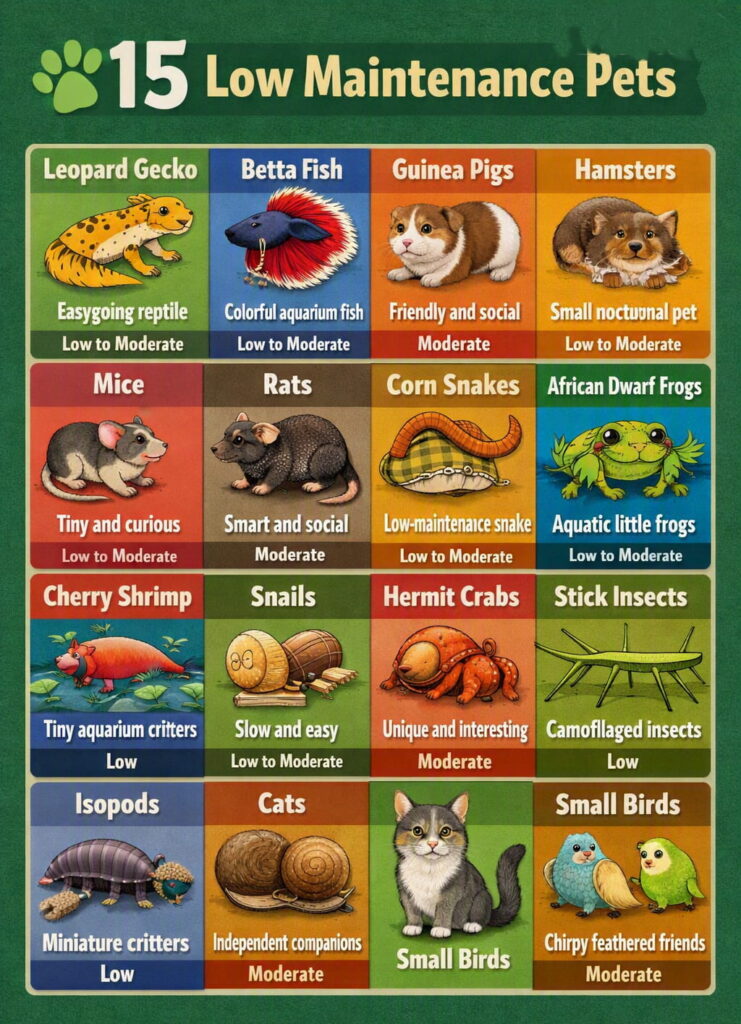
15 Low Maintenance Pets to Consider
1. Leopard Gecko
Leopard geckos are popular among reptile enthusiasts because they’re relatively small, quiet, and independent. They don’t require daily interaction, making them a good choice for people who enjoy observing their pets rather than constantly handling them.
Their enclosure does require some initial setup, including appropriate heating, lighting, hiding places, and a safe substrate. Once the habitat is properly established and temperatures and humidity are kept within the appropriate range, their day-to-day routine can be fairly straightforward. Regular feeding, spot cleaning, fresh water, and occasional deeper enclosure maintenance are still essential.
Another advantage is that leopard geckos are naturally solitary and don’t need the constant attention that some more social pets do. While they can become accustomed to gentle handling, they generally do well with a relatively independent lifestyle.
For someone looking for low maintenance pets, a leopard gecko can be an appealing option, provided they’re prepared to meet the specific care requirements of a reptile. They’re particularly suited to people who have limited space and prefer a quiet companion rather than a pet that needs frequent interaction.
Maintenance level: Low to moderate
2. Betta Fish
Betta fish are small, quiet pets that can be a great option for people who want a companion without the daily demands of a dog or cat. They don’t need walks, grooming, or hours of interaction, and their colorful appearance and active swimming can make them enjoyable to watch.
However, keeping a betta properly involves more than simply placing one in a small bowl. A suitable aquarium with enough swimming space, a gentle filter, water conditioner, and appropriate temperature control is important for keeping the fish healthy. Regular water testing and partial water changes are also part of responsible betta care.
Once the aquarium is properly established and the water parameters are stable, their daily routine can be relatively simple. Feeding takes only a few minutes, while cleaning and water maintenance can be handled on a regular schedule rather than requiring constant attention.
For people searching for low maintenance pets, betta fish can be a good option, especially if they want a quiet pet that fits into a smaller living space. Just keep in mind that low maintenance doesn’t mean no maintenance, proper aquarium care is essential for their well-being.
Maintenance level: Low to moderate
3. Guinea Pigs
Guinea pigs are friendly, social animals that can make wonderful companions, especially for people who want a small pet with a gentle and interactive personality. They’re generally easy to handle when treated appropriately and can become quite comfortable around their owners.
However, guinea pigs require more daily care than some of the other pets on this list. They need a constant supply of fresh hay, fresh water, appropriate guinea pig food, and daily access to suitable vegetables. Their enclosure also needs regular spot cleaning and more thorough cleaning on a routine basis to keep it hygienic and comfortable.
Because guinea pigs are highly social, they generally do best with a compatible guinea pig companion rather than living alone. This means potential owners should be prepared for the additional space, supplies, and care that come with keeping more than one.
Although they may not be considered low maintenance pets compared with animals such as betta fish or leopard geckos, guinea pigs can still be a manageable choice for someone looking for a small mammal. Their friendly nature, social behavior, and ability to form bonds with their owners make the extra care worthwhile for many people.
Maintenance level: Moderate
4. Hamsters
Hamsters are relatively small pets that don’t require outdoor exercise, walks, or extensive grooming. Their compact size can also make them a practical choice for people with limited living space.
However, their enclosure needs more than just food and bedding. Hamsters need enough room to move around, a suitable wheel for exercise, deep bedding for burrowing, hiding places, and opportunities to explore. Regular spot cleaning and routine enclosure maintenance are also important.
Hamsters are nocturnal, meaning they’re generally most active in the evening and at night. This can be a good fit for people with busy daytime schedules, but less suitable if you want a pet that is active and interactive during the day.
If you’re looking for a small companion that doesn’t demand constant attention, a hamster can be a manageable option.
Maintenance level: Low to moderate
5. Mice
Pet mice are tiny, fascinating animals that can be surprisingly entertaining to watch. Their small size means they don’t require a huge amount of living space, although they still need an appropriately designed enclosure that provides enough room to move, climb, hide, and explore.
Their basic care includes a suitable diet, fresh water, enrichment, nesting material, and regular enclosure cleaning. Mice are also social animals, although the appropriate social arrangement depends on their sex and compatibility, so prospective owners should research their housing needs carefully.
Like hamsters, mice are generally most active at night and during the evening. They may therefore be a better fit for someone who enjoys observing an animal during those hours rather than expecting daytime interaction.
For someone interested in a tiny pet with relatively straightforward daily needs, mice can be an interesting choice.
Maintenance level: Low to moderate
6. Rats
Rats may not be the first animals that come to mind when you think about low maintenance pets, but they can be surprisingly affectionate, intelligent, and rewarding companions. They’re curious animals that can learn routines, interact with their owners, and enjoy exploring their surroundings.
Their care does require more involvement than that of some smaller pets. Rats need a spacious, secure enclosure, a balanced diet, fresh water, enrichment, and regular cleaning. Because they’re highly social animals, they generally shouldn’t be kept alone and do best with compatible rat companions.
They also benefit from regular interaction and supervised time outside their enclosure, so they’re better suited to someone who wants an interactive small mammal rather than a pet that can simply be observed.
Their relatively short lifespan is another important consideration before bringing rats home.
Maintenance level: Moderate
7. Corn Snakes
Corn snakes are popular among reptile enthusiasts because they’re relatively quiet, don’t require walks or grooming, and don’t need constant attention from their owners. They can also be fascinating to observe as they explore their enclosure.
Their feeding schedule is relatively infrequent compared with many mammals, but that doesn’t mean they’re completely hands-off pets. A corn snake needs an appropriately sized, escape-proof enclosure with suitable temperature gradients, hiding places, substrate, and access to water. Humidity should also be monitored according to the snake’s needs.
Once the habitat is properly established and environmental conditions are stable, their routine care can be fairly straightforward. They’re therefore an appealing option for someone interested in a reptile that requires relatively little day-to-day interaction.
Maintenance level: Low to moderate
8. African Dwarf Frogs
African dwarf frogs can be an interesting choice for people who enjoy aquatic animals and prefer observing their pets rather than handling them. These small aquatic frogs are active and entertaining to watch as they swim, explore, and interact with their environment.
Their care mainly revolves around maintaining a suitable aquarium. They need stable, clean water, appropriate filtration, a safe temperature, hiding places, and an appropriate diet. Regular water testing and partial water changes are important for maintaining good water quality.
They aren’t the type of pet that seeks out physical affection, but they can be rewarding for someone who enjoys watching aquatic animals and maintaining a small underwater habitat.
Maintenance level: Low to moderate
9. Cherry Shrimp
For people who prefer a pet they can observe rather than handle, cherry shrimp can be a fascinating option. These tiny freshwater invertebrates spend much of their time grazing on surfaces, exploring their environment, and moving through the aquarium.
They don’t require walks, grooming, or direct interaction, and they can live in a relatively small aquarium when their habitat is properly designed and maintained. They still need appropriate water parameters, a suitable temperature, filtration, plants or other cover, and a stable source of food.
The biggest challenge is maintaining stable water conditions. Sudden changes in water quality can be harmful, so regular aquarium maintenance is essential.
Once an established aquarium is stable, cherry shrimp can be among the easier pets to care for, particularly for someone who enjoys watching a miniature aquatic ecosystem develop.
Maintenance level: Low once the aquarium is established
10. Snails
Snails can be an unusual choice for people who want a pet that doesn’t require walks, grooming, or constant attention. Depending on the species, they can be kept in a relatively simple habitat and are often fascinating to observe as they move, feed, and explore.
Their exact care requirements vary considerably between species. Depending on the type of snail, they may need an appropriately sized enclosure, suitable humidity and temperature, appropriate food, calcium sources, and regular cleaning.
Snails aren’t interactive in the same way as dogs, cats, or small mammals, but that can be part of their appeal. They’re better suited to people who enjoy observing unusual animals and creating a suitable habitat for them.
Maintenance level: Low to moderate
11. Hermit Crabs
Hermit crabs are another unusual pet option for people who want something different from a traditional companion animal. They’re interesting to observe and can spend their time exploring, climbing, and interacting with their environment.
Despite sometimes being marketed as extremely easy starter pets, hermit crabs have specific habitat requirements. They need appropriate temperature and humidity, deep enough substrate for burrowing, suitable food, fresh and saltwater sources, hiding places, and enough space to move around.
Once their habitat is properly established, their day-to-day routine can be manageable. However, setting up and maintaining the environment correctly is an important part of responsible hermit crab care.
Maintenance level: Moderate
12. Stick Insects
Stick insects are one of the more unusual choices for people interested in low-interaction pets. They’re quiet, require relatively little space, and can be fascinating to observe as they climb, feed, and move around their enclosure.
Many commonly kept species primarily eat plant material, but their exact dietary requirements depend on the species. They also need an appropriately ventilated enclosure, suitable humidity, regular access to fresh food, and routine cleaning.
Because of their delicate bodies, stick insects are generally better suited to observation than frequent handling. They can be a particularly interesting choice for someone who enjoys insects and wants a pet with relatively simple daily needs.
Maintenance level: Low
13. Isopods
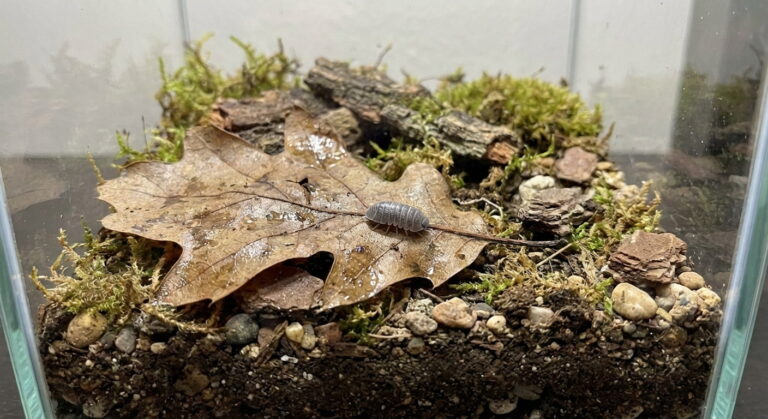
Yes, even tiny decomposers can become pets! Isopods such as dairy cow isopods and other commonly kept species can be fascinating to keep in a small, carefully prepared terrarium.
They don’t need walks, grooming, or direct interaction. Instead, their care focuses on creating a suitable miniature ecosystem with appropriate moisture, ventilation, substrate, hiding areas, food, and a source of calcium.
Once the enclosure is properly established, isopods generally require relatively little hands-on care. They can be especially appealing to people who enjoy observing tiny creatures and creating bioactive or miniature ecosystems rather than looking for a traditional companion animal.
Maintenance level: Low
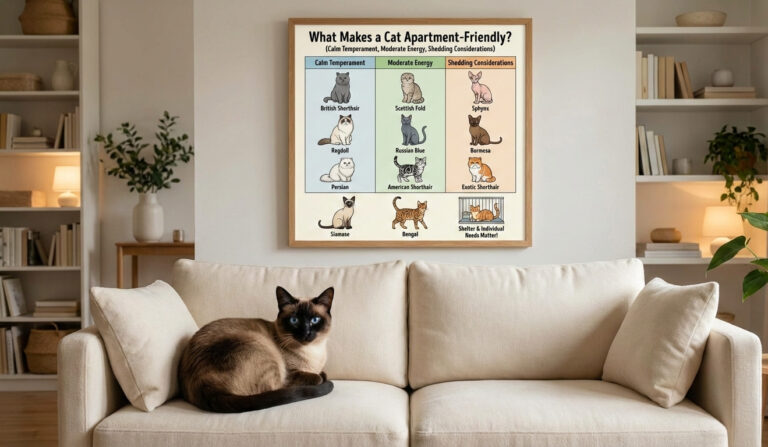
14. Cats
Cats are often considered lower-maintenance than dogs because they generally don’t need to be taken outside for walks and can spend significant amounts of time entertaining themselves. Their independent nature can make them a good fit for people with busy schedules.
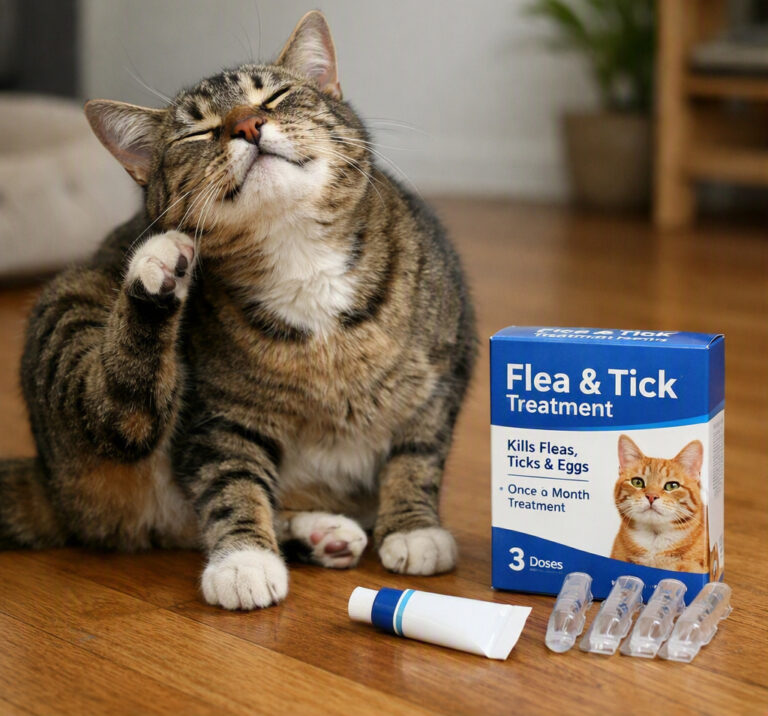
However, cats are not low maintenance pets in the sense of requiring very little care. They need daily feeding, fresh water, litter-box maintenance, play, enrichment, and routine veterinary care. Grooming requirements can also vary depending on their coat type.
Cats are also a long-term commitment, potentially requiring care for well over a decade. Before adopting one, it’s important to consider not only the daily workload but also the ongoing financial and time commitment.
Maintenance level: Moderate
15. Certain Small Birds
Some small birds, including budgies and finches, can be manageable companions for owners who understand their needs. They don’t require outdoor walks, and their small size can make them suitable for homes where larger pets may not be practical.
However, birds are intelligent and social animals, so their needs go beyond simply providing food and a cage. They require a suitably sized cage or aviary, appropriate nutrition, clean water, enrichment, perches, and regular cleaning. Depending on the species and individual bird, they may also need significant social interaction.
If you’re looking for a quiet pet, keep in mind that birds can be surprisingly vocal. Their noise level, social needs, and daily care requirements should all be considered before choosing one.
For someone prepared to provide the right environment and stimulation, a small bird can be a rewarding companion.
Maintenance level: Moderate
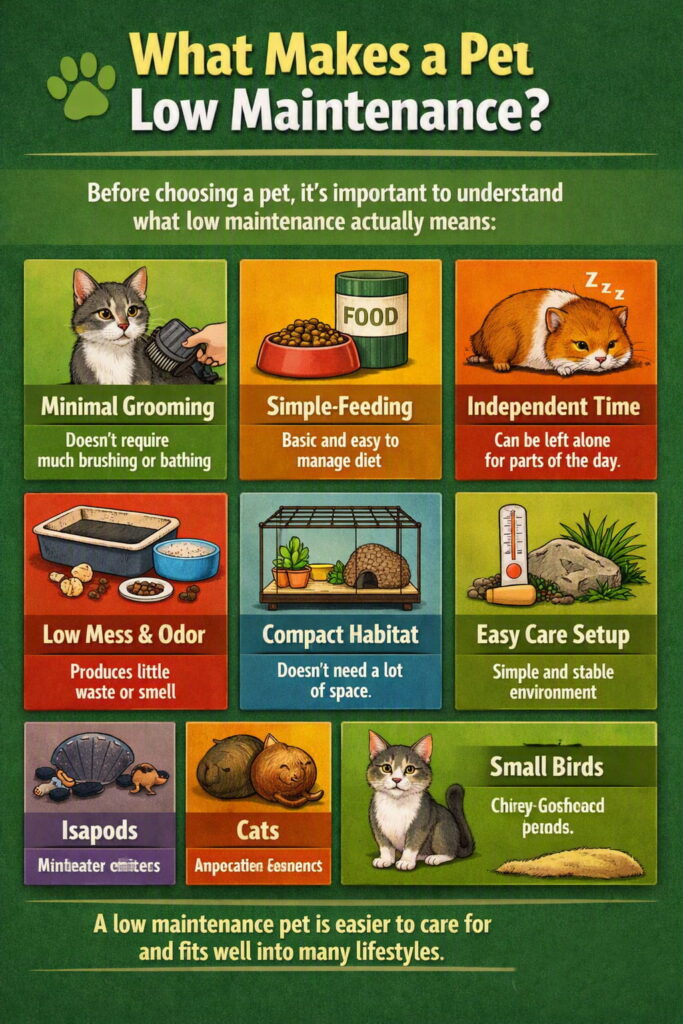
What Makes a Pet Low Maintenance?
Before choosing a pet, it’s important to understand what low maintenance pets actually means.
Generally, a low-maintenance pet may:
- Require relatively little grooming
- Have simple feeding requirements
- Not need constant human attention
- Produce little odor or mess
- Require less space than larger animals
- Have relatively straightforward habitat requirements
- Be independent for portions of the day
That doesn’t necessarily mean these animals are inexpensive or suitable for everyone. Some pets may be easy to care for day-to-day but still require specialized equipment, veterinary care, or a significant initial investment.
Are Low Maintenance Pets Good for Beginners?
They can be, but it depends on the species.
A common mistake is assuming that a small animal automatically means an easy animal. In reality, some small pets have surprisingly complex environmental or dietary requirements.
For example, a reptile may not need much interaction, but maintaining the correct temperature and humidity can require specialized equipment. Likewise, fish may appear simple, but maintaining good water quality is essential.
The best pet isn’t necessarily the one that requires the least work. It’s the one whose care requirements fit comfortably into your lifestyle.
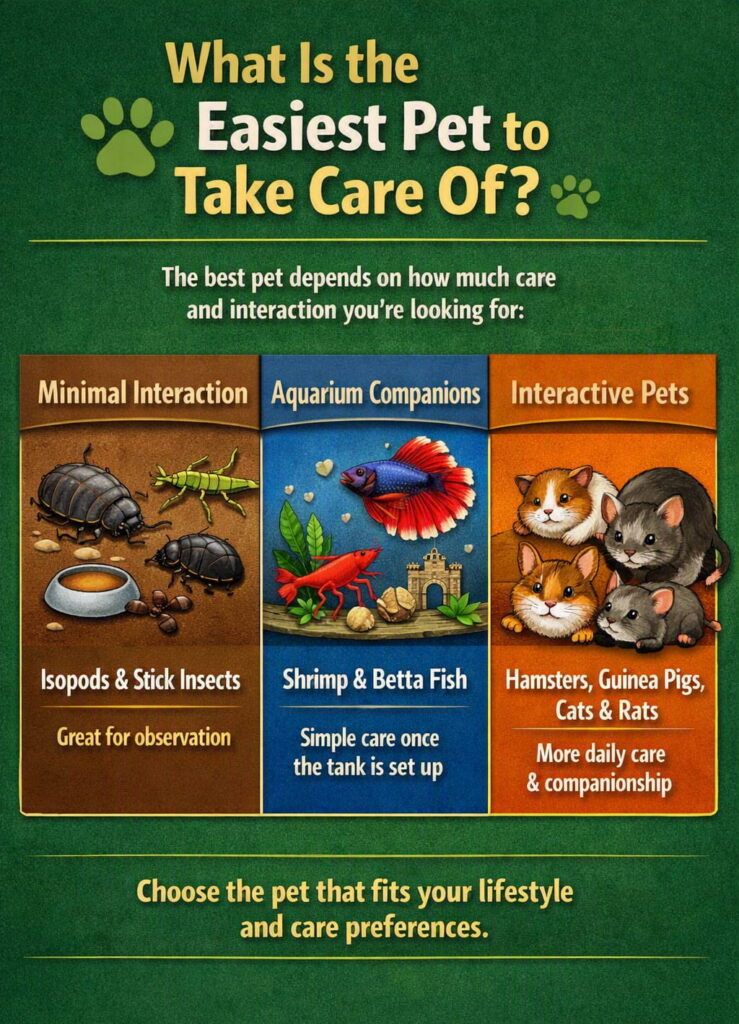
What Is the Easiest Pet to Take Care Of?
There isn’t one universally easiest pet.
If you’re looking for an animal that requires little interaction, invertebrates such as isopods or certain insects may be among the simplest options.
If you want something you can observe in an aquarium, properly kept shrimp or certain fish may be appealing.
If you want a pet you can interact with more directly, hamsters, guinea pigs, cats, or rats may be better choices, but they also require more daily care.
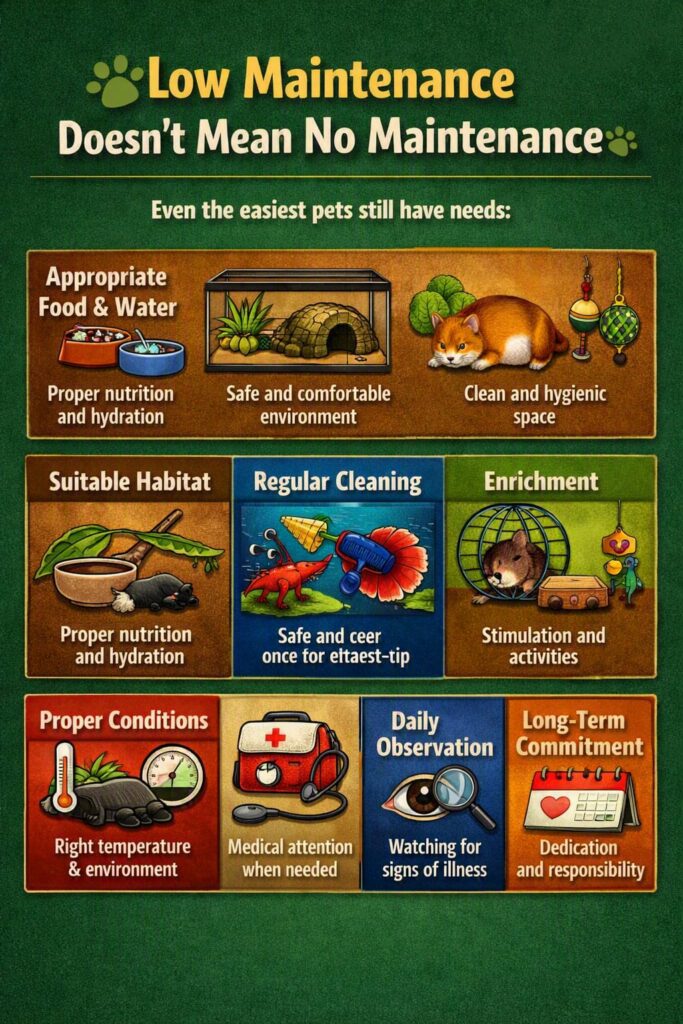
Low Maintenance Doesn’t Mean No Maintenance
Before choosing one of these animals, remember that every living creature has needs.
Even the easiest low maintenance pets still need:
- Appropriate food and clean water
- A suitable habitat
- Regular cleaning
- Enrichment
- Proper temperature and environmental conditions
- Veterinary care when necessary
- Daily observation for signs of illness
- A long-term commitment from their owner
The goal isn’t to find a pet that requires no work. Instead, it’s to find a pet whose needs are realistic for the amount of time, space, money, and attention you can provide.

One Comment