Do you love animals but prefer a peaceful, quiet home? If barking dogs and noisy birds aren’t your idea of the perfect companion, there are plenty of quiet pets that can be a better fit.
Whether you live in an apartment, work from home, have noise-sensitive neighbors, or simply enjoy a calm environment, choosing a quieter animal can make pet ownership more enjoyable. From completely silent aquatic animals to surprisingly quiet mammals, there are more options than you might expect.
Keep in mind that quiet doesn’t mean completely silent. Every animal has its own behaviors and communication methods, and some may make occasional sounds. The goal is to find a pet that generally produces little noise rather than expecting complete silence.
So, which animals are known for being quiet? Here are 15 quiet pets worth considering.
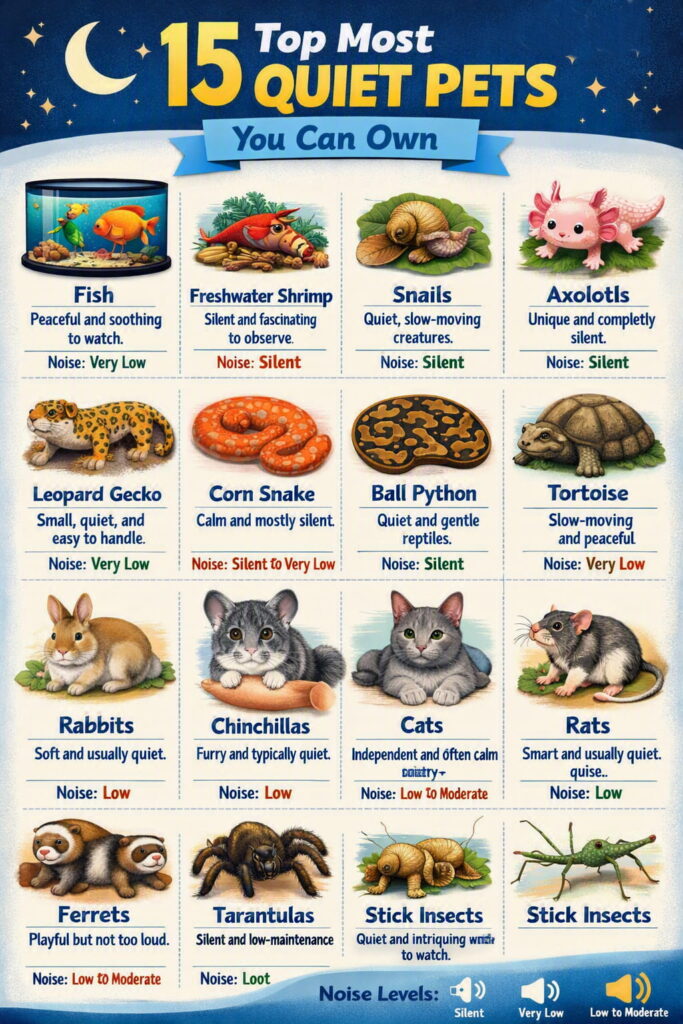
15 Top Most Quiet Pets You Can Own
1. Fish
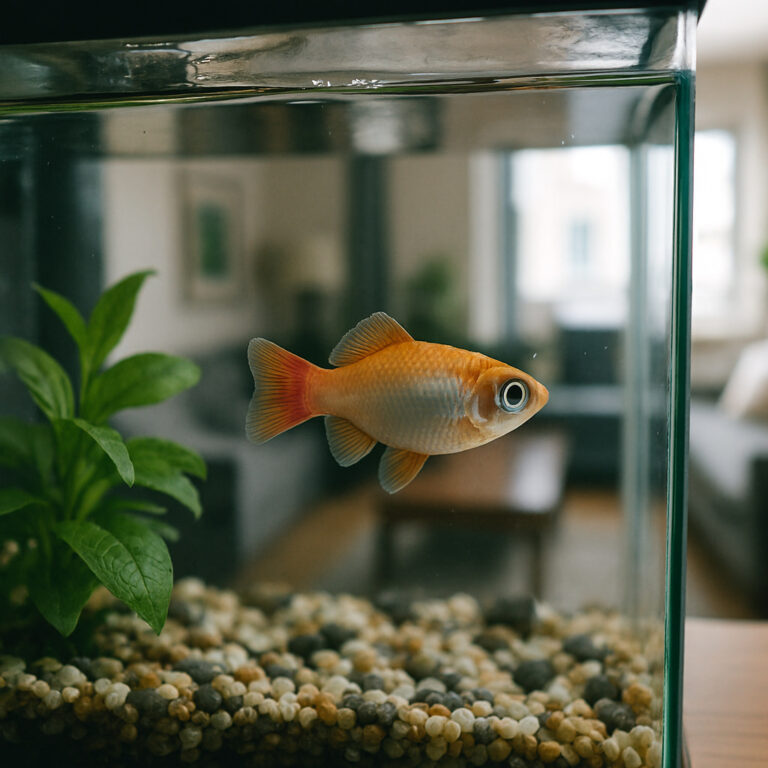
Fish are among the quietest pets you can have. They don’t bark, chirp, or make noises that are likely to disturb your neighbors.
A well-maintained aquarium can also be a beautiful and relaxing addition to your home. Whether you prefer colorful tropical fish or a simple freshwater setup, there are plenty of options.
The aquarium itself does make some noise from filters and air pumps, but this is generally much quieter than vocal pets.
Noise level: Very low
2. Freshwater Shrimp
If you want an almost completely silent pet, freshwater shrimp are worth considering.
Cherry shrimp and other freshwater species spend their time grazing, exploring plants, and moving around the aquarium. They don’t make noticeable vocal sounds.
They’re also fascinating to watch, especially in a planted aquarium.
Noise level: Silent
If you’re interested in pets with low shedding check out our article about pets that don’t shed much!
3. Snails
Snails are another extremely quiet option.
They don’t bark, squeak, or call for your attention. Instead, they’re mostly content to slowly explore their enclosure.
Different species have different requirements, so you’ll need to research the particular snail you’re considering. But if your main concern is noise, snails are hard to beat.
Noise level: Silent
4. Axolotls
Axolotls are unusual aquatic pets known for their distinctive appearance and permanently youthful-looking features.
They don’t make the kind of noises associated with dogs, cats, or birds, making them an exceptionally quiet companion.
However, an axolotl is not necessarily an easy pet. Maintaining cool, clean, stable water is essential, and their aquarium needs careful management.
Noise level: Silent
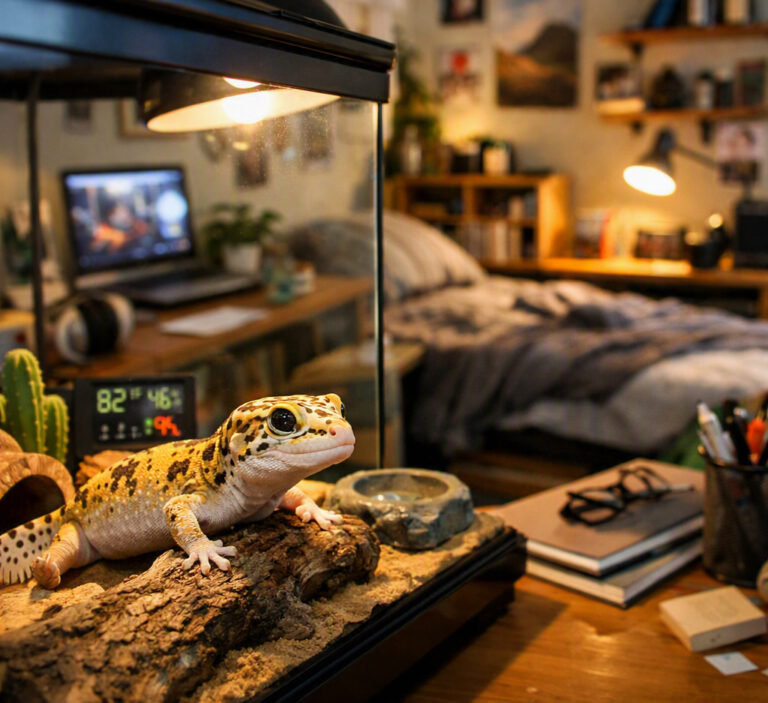
5. Leopard Geckos
Leopard geckos are small reptiles that spend much of their time quietly exploring, resting, and hiding in their enclosure.
They can occasionally make sounds, but they’re generally very quiet compared with traditional companion animals.
They’re particularly appealing if you want a pet you can occasionally handle without having to deal with barking or constant vocalization.
Noise level: Very low
6. Corn Snakes
Corn snakes are naturally quiet and don’t make regular vocal sounds.
They spend much of their time resting or exploring their enclosure, making them suitable for people who prefer an animal that doesn’t constantly demand attention.
They do require an appropriately designed enclosure with suitable environmental conditions, so quiet doesn’t necessarily mean simple.
Noise level: Silent to very low
7. Ball Pythons
Ball pythons are another snake species known for being quiet.
They don’t bark, squeak, or make regular calls. Their relatively calm nature can appeal to owners who prefer observing an animal rather than dealing with a highly vocal companion.
As with any reptile, proper heating, humidity, enclosure size, and feeding are essential.
Noise level: Silent
8. Tortoises
Tortoises are generally quiet animals that spend their time walking around, eating, basking, and exploring.
They don’t need to be taken on walks around the neighborhood or entertained constantly, and their lack of vocalization makes them suitable for peaceful homes.
However, tortoises can be surprisingly demanding in terms of space, lighting, temperature, diet, and long-term care.
Noise level: Very low
9. Rabbits
Rabbits are usually quiet and communicate largely through body language.
They can make occasional sounds, including thumping, grunting, or squealing, but they’re generally much quieter than dogs.
Their quiet nature makes them attractive to apartment dwellers, although rabbits still need plenty of space to exercise, explore, and express natural behaviors.
Noise level: Low
10. Chinchillas
Chinchillas are relatively quiet compared with many traditional pets.
They’re active and playful, but they don’t typically produce constant vocal noise. They can make sounds to communicate, particularly when frightened or excited.
One thing to remember is that chinchillas are most active around dusk and during the night, so their cage activity may be noticeable if kept near a bedroom.
Noise level: Low
11. Cats
Cats are often a good option for people who want a companion without the noise associated with dogs.
Many cats spend a large portion of their day sleeping or quietly exploring their surroundings. However, personality varies greatly. Some cats are extremely vocal and may meow frequently.
If quietness is important to you, pay attention to the individual cat’s personality rather than assuming every cat will be quiet.
Noise level: Low to moderate
If you do own a cat and you want to learn more about their health, check out our article about kidney diseases in cats.
12. Rats
Pet rats are intelligent, social, and surprisingly entertaining companions.
Although they can make occasional squeaks and other sounds, they’re generally not loud animals. Much of their communication is subtle and may not even be audible to humans.
They do need companionship, enrichment, and regular interaction, so they’re not the best choice if you’re looking for a completely hands-off pet.
Noise level: Low
13. Ferrets
Ferrets can be playful and energetic without being constantly noisy.
They occasionally make vocalizations, particularly when excited or frightened, but they’re generally not considered loud pets.
However, ferrets are much more demanding than their quiet reputation might suggest. They need plenty of enrichment, exercise, social interaction, and a secure environment.
Noise level: Low to moderate
14. Tarantulas
If you’re comfortable with spiders, tarantulas are about as quiet as a pet can get.
They don’t bark, chirp, or make regular vocalizations. They spend most of their time quietly moving around or resting in their enclosure.
Tarantulas are primarily observation pets rather than cuddly companions, and handling isn’t generally necessary or appropriate for many species.
Noise level: Silent
15. Stick Insects
Stick insects are unusual pets that make virtually no noise.
They’re fascinating to observe as they climb, eat, and move around their enclosure. They also don’t require walks or the constant interaction associated with some mammals.
Because they’re delicate, they’re generally best appreciated as observation pets rather than animals to handle frequently.
Noise level: Silent
Frequently Asked Questions About Quiet Pets
What are the quietest pets to own?
Some of the quietest pets include fish, freshwater shrimp, snails, tarantulas, stick insects, snakes, and other animals that don’t rely heavily on vocal communication.
If you want an animal that is almost completely silent, aquatic pets and many invertebrates are usually among the best choices. Fish, shrimp, and snails don’t produce the kind of vocal sounds associated with dogs, cats, or birds.
However, remember that the animal itself isn’t necessarily the only source of noise. Aquarium filters, air pumps, enclosure equipment, exercise wheels, and other accessories can produce sounds.

What is the best quiet pet for an apartment?
The best quiet pet for an apartment depends on what you’re looking for from the relationship.
If you simply want something peaceful to watch, a fish tank, shrimp aquarium, or snail habitat can be a good option.
If you want more interaction, an adult cat, rabbit, or leopard gecko may be worth considering. An adult cat can sometimes be particularly suitable because its personality and vocal habits are easier to assess before adoption.
People discussing apartment pets online often emphasize that there is no perfect animal that is simultaneously tiny, silent, cuddly, inexpensive, and effortless to care for. One Reddit discussion about a small, quiet apartment pet ultimately highlighted fish as an option when the owner wanted minimal noise and space requirements.

What pets are completely silent?
Strictly speaking, very few pets are guaranteed to be completely silent.
Fish, shrimp, snails, tarantulas, and stick insects are among the closest options because they don’t normally produce noticeable vocal sounds.
Even then, the habitat can make noise. An aquarium filter can hum, a terrarium can contain moving equipment, and a small mammal’s enclosure can produce sounds when the animal moves around.
So, if absolute silence is important to you, consider both the animal and everything required to keep it comfortable.
What is the quietest pet that you can cuddle?
If you want a pet that is both relatively quiet and capable of physical affection, your choices become more limited.
An individual cat can be a good option, particularly an adult whose personality is already known. Some cats are extremely quiet and affectionate, while others are surprisingly vocal.
Rabbits can also form strong bonds with their owners, but they don’t necessarily enjoy being picked up and cuddled. Their quiet nature shouldn’t be mistaken for a desire to be handled.
The same principle applies to many small animals: quiet doesn’t automatically mean cuddly.
Are cats quiet pets?
Cats can be quiet pets, but it depends heavily on the individual.
Some cats barely vocalize, while others seem to have something to say about everything. They may meow when they’re hungry, want attention, are excited, or simply want you to open a door.
If you’re choosing a cat specifically because you need a quiet companion, consider adopting an adult cat rather than assuming a particular breed will guarantee silence. An adult cat’s personality and vocal habits are easier to observe.
Reddit users discussing quiet apartment companions frequently mention adult cats as a good middle ground between a completely hands-off animal and a highly vocal pet.
Are rabbits quiet pets?
Yes, rabbits are generally considered relatively quiet pets.
They don’t bark or make the constant vocalizations associated with some birds. However, rabbits aren’t completely silent. They can thump their feet, grunt, squeal, or make other sounds to communicate.
They can also create noise by moving objects, chewing, or playing with items in their environment.
Another important consideration is that rabbits require considerably more care and space than their small size might suggest. A quiet rabbit still needs room to exercise, appropriate nutrition, enrichment, and veterinary care.
Are guinea pigs quiet pets?
Guinea pigs are relatively quiet compared with dogs and many birds, but they’re not among the most silent pets.
They are famous for their squeaks and “wheeks,” especially when they associate certain sounds with food. They can also make other noises while communicating with each other or their owners.
Interestingly, people on Reddit have reported that their guinea pigs’ vocalizations weren’t necessarily loud enough to bother roommates, although experiences vary between animals and living situations.
If you need an almost completely silent pet, however, a fish, shrimp, or reptile may be a better choice.
Are hamsters quiet pets?
Hamsters don’t usually make much vocal noise, but they aren’t necessarily ideal if you need a quiet bedroom at night.
Hamsters are nocturnal and can become active when you’re trying to sleep. Running on an exercise wheel, digging, chewing, and moving around their enclosure can create surprisingly noticeable sounds.
This is an important distinction: a pet can be vocally quiet but physically noisy.
If you’re a light sleeper, think carefully about where the enclosure will be placed.
Are small pets quieter than dogs and cats?
Not necessarily.
Size doesn’t determine how noisy an animal will be. A tiny bird can be significantly louder than a large, calm cat, for example.
Some small mammals can also make considerable noise through squeaking, chewing, scratching, or running on wheels.
Instead of asking whether an animal is small, consider:
- How vocal is it?
- When is it most active?
- Does it use an exercise wheel?
- Does it chew or scratch?
- Does its enclosure contain noisy equipment?
- How frequently does it communicate?
These questions will give you a much better idea of what living with the animal will actually sound like.
What are the best quiet pets for people who work from home?
If you work from home, you may want an animal that won’t interrupt meetings or make frequent noises during the day.
Fish and other aquatic animals can be excellent if you’re mainly looking for something to observe.
A calm adult cat can also work well, although individual personalities vary. Some cats may decide that your video calls are the perfect opportunity to demand attention.
Reptiles and many invertebrates are also generally quiet during the day, although they provide a very different type of companionship than a mammal.
What quiet pets are good for people who live alone?
This depends on whether you want companionship or simply enjoy having an animal around.
If you want an affectionate companion, an individual adult cat may be worth considering. If you want something fascinating to observe without needing constant interaction, fish, reptiles, or an aquarium containing shrimp can be excellent choices.
People looking for pets for small apartments often mention this distinction: some want an animal that actively bonds with them, while others are perfectly happy watching a pet go about its daily activities.
What are the best quiet pets for small apartments?
For a small apartment, some possibilities include:
- Fish
- Freshwater shrimp
- Snails
- Leopard geckos
- Corn snakes
- Small tortoise species, where legally and appropriately kept
- Adult cats
- Rabbits, provided sufficient space can be provided
But don’t choose an animal solely because it is quiet.
For example, a rabbit may not make much noise but still needs significant space and daily care. Similarly, a fish tank may be silent but still require regular maintenance.
The animal’s overall needs should always come before convenience.
Are reptiles good quiet pets?
Many reptiles are excellent choices if noise is your primary concern.
Snakes, leopard geckos, and many other reptiles don’t make regular vocal sounds and generally spend much of their time quietly resting or exploring their enclosure.
However, reptiles aren’t necessarily easy pets. They can require specialized heating, lighting, humidity control, substrate, and carefully planned diets.
So if you want a quiet pet but aren’t prepared for specialized care, a reptile may not be the right choice.
Are birds good quiet pets?
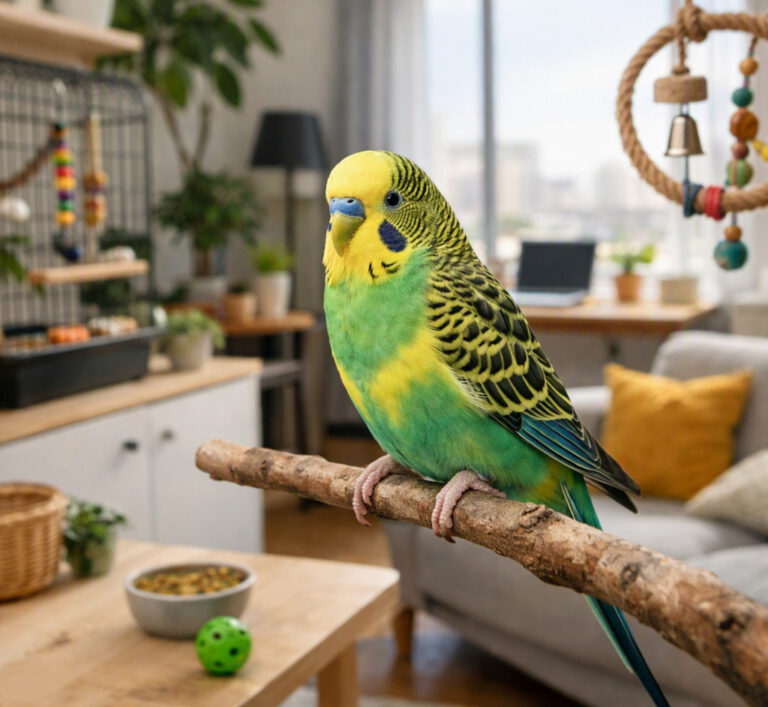
Generally, no not if your main priority is having a quiet home.
Birds communicate through vocalizations, and some species can be remarkably loud. Even a relatively small bird can produce sounds that carry through walls.
This is especially important if you live in an apartment with close neighbors.
People who have owned birds often recognize this issue. In one Reddit discussion, an apartment resident specifically said they had given up parrots because the noise was bothering neighbors and were looking for a quieter replacement.
If you love birds but need a peaceful home, research the vocal tendencies of the specific species very carefully rather than assuming a smaller bird will automatically be quieter.
Can a quiet pet still make noise at night?
Absolutely.
This is one of the most important things to consider when choosing quiet pets.
Hamsters, for example, may make little vocal noise but can create sounds while running on their wheel or exploring their enclosure at night.
Some cats can become active during the night, and rabbits may also move around and chew things when you’re sleeping.
If you’re particularly sensitive to nighttime noise, ask not only “Is this pet quiet?” but also “When is this pet most active?”
What quiet pet is best for someone who hates noise?
If you have very little tolerance for noise, start with animals that produce virtually no audible vocalizations.
Fish, shrimp, snails, tarantulas, stick insects, and many reptiles can be good candidates.
A calm adult cat may also work if you want a more interactive companion, but there is no guarantee that an individual cat will be quiet.
One Reddit discussion from someone specifically looking for a silent pet reached a similar conclusion: cats can be a good middle ground, while rabbits and some other animals can also be relatively quiet, but individual temperament matters.
Are quiet pets automatically low maintenance?
No.
This is a very important distinction.
A snake may be extremely quiet but still require a carefully controlled enclosure. An axolotl may be completely silent but require attentive aquarium management. A rabbit may barely make a sound but need considerable daily care.
Likewise, a fish might seem effortless, but maintaining good water quality is essential for its health.
If you’re looking for both characteristics, you may want to search specifically for low maintenance pets rather than assuming every quiet animal is easy to care for.
Can quiet pets still bond with their owners?
Yes, but the type of bond varies significantly between species.
Cats, rabbits, rats, and some other mammals can form recognizable social relationships with their owners.
Reptiles can also become accustomed to their owners and tolerate or sometimes appear to enjoy handling, but their social and behavioral needs are very different from those of mammals.
Fish and invertebrates generally aren’t going to provide the same kind of physical affection, but that doesn’t make them uninteresting pets. Many owners enjoy observing their behavior and creating an engaging environment for them.
What should I consider besides noise when choosing a quiet pet?
Noise is only one part of responsible pet ownership.
Before choosing one of these quiet pets, consider:
- Space: How much room does the animal actually need?
- Time: How much daily care and interaction does it require?
- Cost: What will food, habitat equipment, and veterinary care cost?
- Lifespan: Are you prepared for the length of the commitment?
- Activity schedule: Is the animal active during the day or at night?
- Mess and odor: Does it produce waste or smells that could become a problem?
- Handling: Does it enjoy being handled, or is it primarily an observation pet?
- Legal requirements: Is the species legal to own where you live?
- Housing rules: Does your landlord or building permit the animal?
This is particularly important for apartment living. Online discussions about quiet pets often reveal that people focus heavily on sound at first but eventually have to consider space, smell, cleaning, and the animal’s overall welfare.