
Keeping exotic animals is getting more and more popular, so many beginners wonder: can you keep a newt as a pet? The answer is yes; newts are fascinating amphibians with gentle temperaments, unusual life cycles, and fairly straightforward care requirements. However, they are not suitable pets for everyone.
This beginner-friendly guide covers everything you should know before getting a pet newt, including legal considerations, housing, diet, health, and whether newts are suitable in households with children and pets
What Is a Newt?
To keep a newt as a pet and care for it correctly, you first need to understand what a newt is from a biological perspective. Newts are small amphibians in the Salamandridae family, closely related to salamanders but with unique physical and behavioral traits that directly influence how they must be housed in captivity. Unlike reptiles or fish, pet newts have very delicate skin, a slow metabolism, and demanding environmental needs, making them best suited to keepers who prefer watching them rather than handling them.
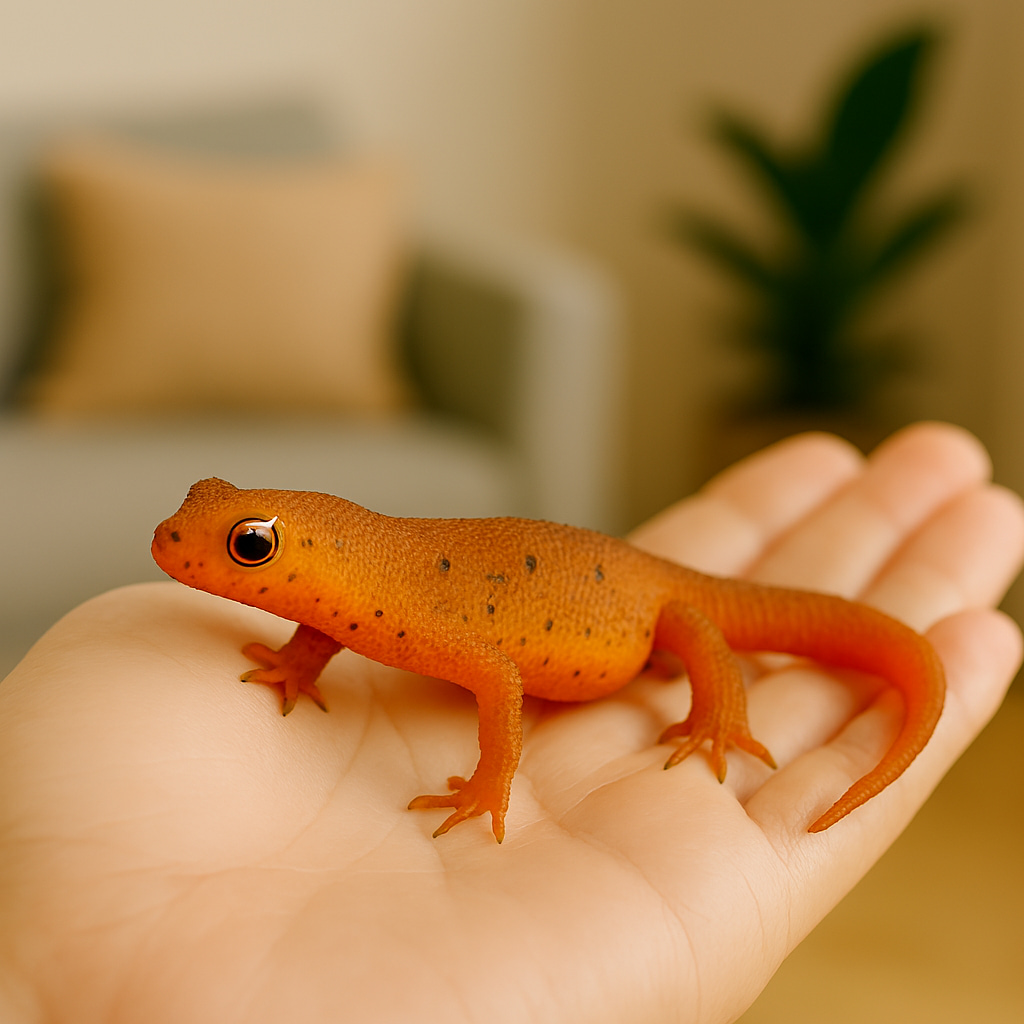
1. Physical Traits of Newts
Newts have slender, elongated bodies adapted to both life in the water and on land.
Common physical characteristics include:
- Smooth to slightly rough, moist skin
- A long, laterally flattened tail that aids in swimming
- Short legs with four toes on the front feet and five on the back feet
- A small head with eyes that lack eyelids
Note: a newt’s skin is extremely permeable, allowing chemicals, bacteria, and skin oils to pass directly into the body. For this reason, frequent handling of pet newts is strongly discouraged.
Size and Weight of Pet Newts
Most pet newt species are quite small and light.
- Typical length: 6–13 cm (2.5–5 inches)
- Larger species: up to about 18 cm (7 inches)
- Typical weight: 1–5 grams
- Well-fed adults: sometimes 8–10 grams, depending on the species
Because they have very little body mass, pet newts are highly vulnerable to:
- Sudden temperature changes
- Drying out (dehydration)
- Poor water conditions
Even minor mistakes in their environment can seriously affect their health.
Skin Texture and Toxicity
One of the most important characteristics of a newt as a pet is its skin.
- Produces mild toxins as a defense mechanism
- Texture ranges from smooth to granular
- Coloration often signals toxicity to predators
- Bright belly colors (orange, red, or yellow) are common and act as a natural warning.
Important safety note: While most pet newts are not dangerous to humans, hand-to-mouth contact should always be avoided, and hands should be washed after tank maintenance.
Coloration and Appearance
Pet newts display a wide range of colors and patterns, depending on species:
- Olive, brown, or dark green dorsal surfaces
- Spotted, striped, or marbled patterns
- Brightly colored undersides
These visual traits make a newt as a pet appealing for observation, especially in well-planted aquariums.
2. Life Cycle and Lifestyle of a Newt
Newts have a complex life cycle, which is important for owners to understand.
Most species go through:
- Aquatic larval stage
- Terrestrial juvenile stage (eft stage in some species)
- Semi-aquatic or fully aquatic adult stage
In captivity, an adult newt kept as pet usually prefers:
- Calm aquatic environments
- Cool temperatures
- Easy access to land areas
3. Sensory Abilities and Awareness
Newts rely more on reading their environment than on direct interaction. Because of this, understanding how they perceive the world is important if you want to keep a newt as a pet.
- Their vision is tuned to detecting movement rather than fine detail.
- They are very sensitive to vibrations and changes in water movement.
- They do not hear in the same way mammals do.
- They might look curious, but they are not actually seeking interaction.
4. Behavior and Temperament
From a veterinary behavioral perspective:
- Newts are non-aggressive
- Solitary by nature
- Easily stressed by handling or overcrowding
They do not form bonds with humans, but they can learn feeding routines and display predictable behavior patterns.
Why Understanding the Newt as a Pet Matters
Many beginner mistakes happen because owners misunderstand what a newt as a pet actually is.
Common misconceptions include:
- Treating newts like reptiles or fish
- Expecting interaction or handling
- Using heat lamps or warm rooms
- Keeping them in small, unstable tanks
A newt as a pet is best suited for owners who appreciate observation, precision care, and long-term responsibility rather than physical interaction.
Interested in other small amphibians as pets? Check out our guide on best pet frogs for children
to learn about beginner-friendly amphibians that are also great for observation and responsible care.
Is It Legal to Keep a Newt as a Pet?
A key concern for many beginners is whether it’s actually legal to keep a newt as a pet. In many situations, the answer is yes, but not universally. Laws regulating newt ownership differ significantly by country, state or province, and even by species.
From both veterinary and conservation perspectives, these regulations are intended to:
- Safeguard native wildlife populations
- Limit the spread of amphibian diseases
- Reduce unethical collection from the wild
1. Basic Legal Rules for Owning a Newt as a Pet
In many areas, these general principles apply:
- Captive-bred newts are more commonly allowed by law
- Wild-caught newts may be illegal or tightly controlled
- Some species are protected under wildlife or conservation regulations
- Importing or selling newts often requires special permits
Note: Even if it’s legal to keep a newt as a pet, it may still be illegal to sell or move it across regional or national borders.
2. Is It Legal to Keep a Newt as a Pet in the United States?
In the U.S., ownership of pet newts is regulated by both federal and state laws.
Federal Rules (USA)
- The U.S. Fish & Wildlife Service limits the importation of certain salamanders and newts to control the spread of Bsal, a serious fungal disease.
- Some species cannot be imported or moved across state lines.
- Federally listed endangered species are completely protected.
State Laws in the U.S.
This is where things start to get complicated.
- Some states allow captive-bred newts without any permits.
- Others ban ownership of native species, even if they were bred in captivity.
- A few states require special permits for non-native (exotic) amphibians.
General examples:
- California: Very strict wildlife regulations; many newt species are illegal to keep.
- Florida: Rules are in place because of concerns about invasive species.
- New York & New Jersey: Certain native species are legally protected.
Always consult your state’s wildlife agency website before buying a newt as a pet.
3. Is It Legal to Keep a Newt as a Pet in Canada?
Canada typically enforces stricter wildlife protection laws than the United States, particularly when it comes to native amphibian species.
Federal Rules in Canada
- Wildlife imports are controlled to avoid ecological damage
- Some species can only be brought in with special import permits
- Species listed as endangered or threatened receive protection across the entire country
Provincial Regulations in Canada
4. Why Collecting Wild Newts Is Often Illegal or Discouraged
Even in places where it’s allowed, both vets and conservation experts strongly recommend against taking newts from the wild.
Issues with wild-caught newts:
- Severe stress and high death rates
- Parasites and infectious diseases
- Harm to local habitats and populations
- Ethical problems
How to Legally and Responsibly Own a Newt as a Pet
If you want to keep a newt as a pet legally and ethically:
- Choose a captive-bred species
- Avoid native or protected species
- Buy only from reputable breeders
- Confirm state or provincial regulations
- Never release a pet newt into the wild
Legal Consequences of Keeping a Newt Illegally
Keeping a newt without proper authorization can lead to:
- Seizure of the animal
- Monetary fines or other legal sanctions
- Negative impacts on native wildlife
Regulations are updated often, so what is legal now may become illegal in the future.
Best Newt Species for Beginners
Not every newt is a good match for first-time keepers. When selecting a pet newt, veterinarians strongly advise choosing hardy, captive-bred species that handle captive conditions well.
Newts that suit beginners usually:
- Forgive minor care errors
- Are simpler to feed
- Are easy to find in the pet trade
- Are well-documented in captivity
1. Fire-Bellied Newt (Cynops orientalis)

A classic starter species.
- Small (6–10 cm)
- Tough and adaptable
- Striking orange-red underside with dark patterns
- Semi-aquatic, perfect for basic beginner enclosures
Vet tip: This species does well in captivity if kept cool with clean water, making it an excellent first-time pet newt.
2. Smooth Newt (Lissotriton vulgaris)
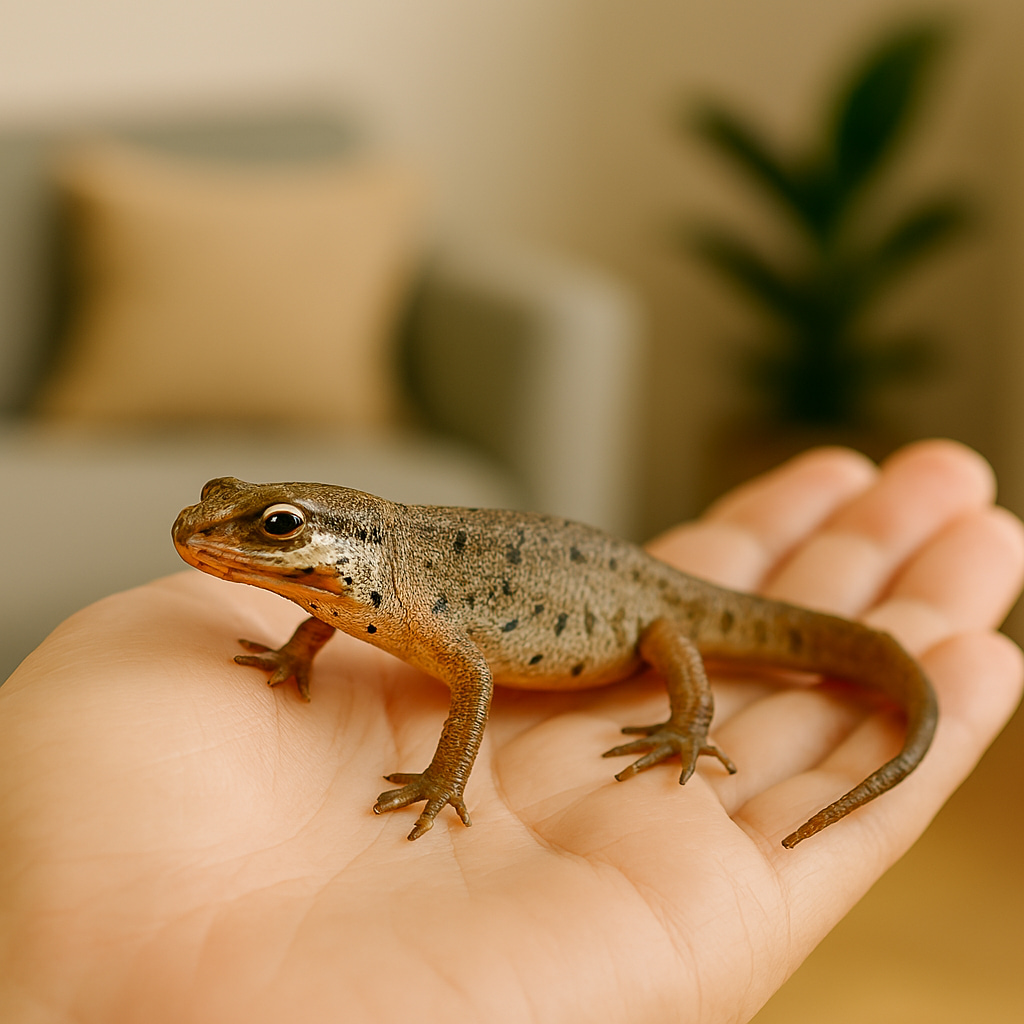
A quiet, modest-looking option.
- Subtle, muted colors
- Mild, calm behavior
- Thrives in stable setups
- Commonly semi-aquatic as adults
Note: Laws differ by area, always check legality before buying.
3. Eastern Newt (Notophthalmus viridescens)
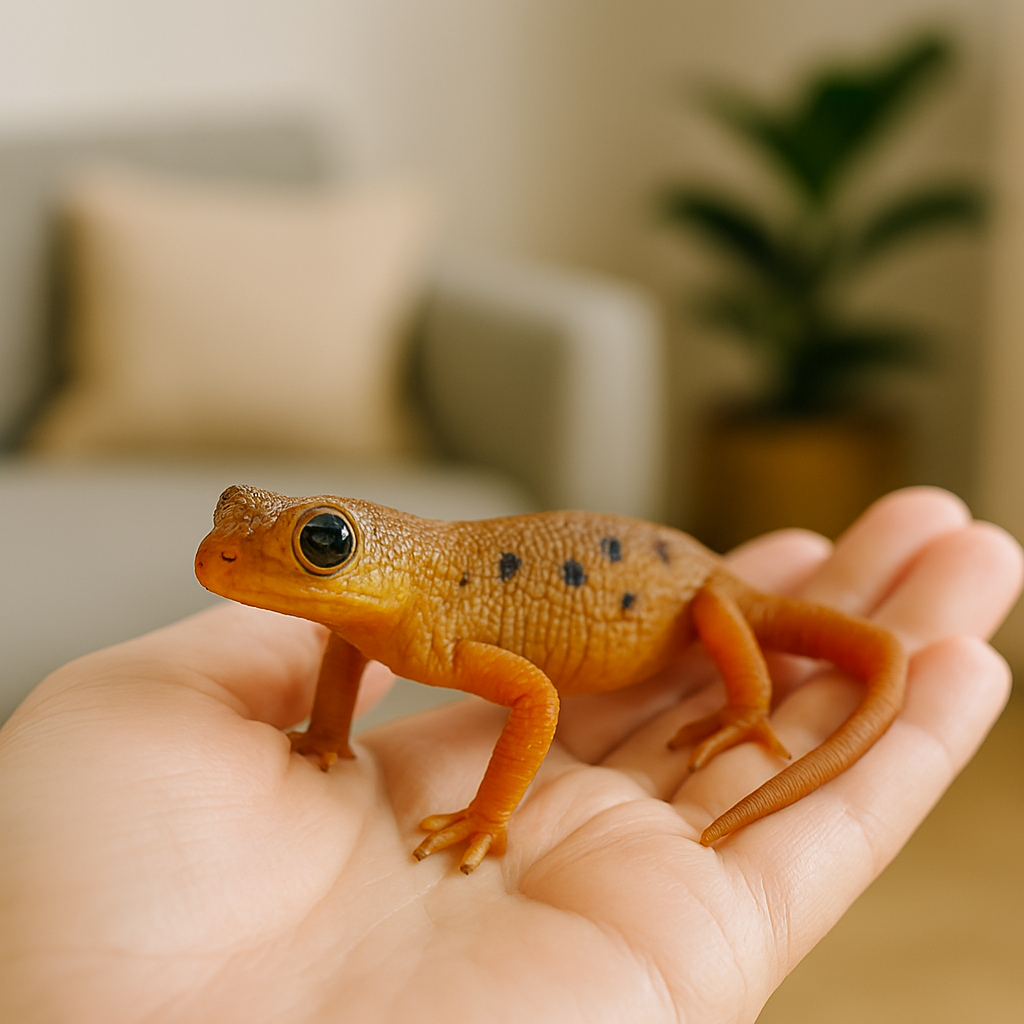
A familiar species across North America.
- Can live up to 20 years
- Has distinct aquatic–terrestrial–aquatic life phases
- Robust when captive-bred
- Extensively researched in captivity
Important: Although widely kept, this species is native to many areas and may be illegal to take from the wild.
Species Beginners Should Avoid
Steer clear of:
- Rare or threatened species
- Wild-caught individuals
- Species with very specific habitat needs
These newts:
- Are more difficult to keep healthy
- Frequently arrive stressed or sick
- May be illegal to possess
- Die more often in captivity
Basic Care Instructions for Pet Newts
Newt Temperament and Behavior
Understanding behavior is essential when caring for a newt as a pet.
Newts are generally:
- Non-aggressive, even toward tank mates of the same species
- Solitary, preferring minimal interaction
- Nocturnal or crepuscular, most active at dusk or nighttime
- Easily stressed by handling, noise, or sudden movement
Newt Habitat Setup (Vet-Approved)
Creating the right habitat is one of the most important factors in keeping a newt as a pet healthy and stress-free. Newts are highly sensitive to environmental changes, so stability and simplicity are key.
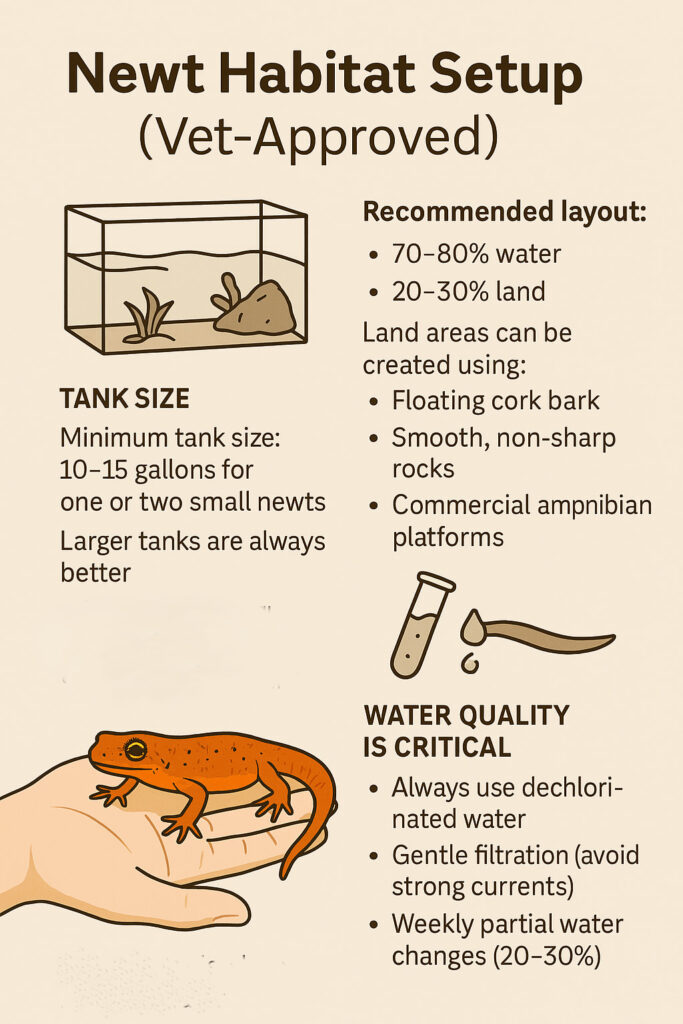
1. Tank Size
- Minimum tank size: 10–15 gallons for one or two small newts
- Larger tanks are always better, as they:
- Improve water quality stability
- Reduce waste buildup
- Lower stress levels
Veterinary note: Small tanks foul quickly and are a common cause of skin infections and ammonia poisoning in pet newts.
a. Aquatic vs Land Areas
Most adult newts kept as pets are semi-aquatic and need both water and land.
Recommended layout:
- 70–80% water
- 20–30% land
Land areas can be created using:
- Floating cork bark
- Smooth, non-sharp rocks
- Commercial amphibian platforms
The land section allows newts to:
- Rest
- Thermoregulate
- Exit the water when stressed
b. Water Quality
Water quality is critical for any newt as a pet.
Essential requirements:
- Always use dechlorinated water
- Gentle filtration (avoid strong currents)
- Weekly partial water changes (20–30%)
Vet advice: Newts absorb toxins directly through their skin, making them far more sensitive to poor water conditions than fish.
c. Temperature
- Newts are cool-temperature amphibians.
- Ideal temperature range: 16–22°C (60–72°F)
- Room temperature is usually sufficient
- Avoid direct sunlight and heat sources
Do NOT use:
- Heat lamps
- Heat mats
- High-powered aquarium heaters
Warning: Temperatures above 24°C (75°F) can cause heat stress, immune suppression, and sudden death in pet newts.
What Do Pet Newts Eat?
A proper diet is essential for keeping a newt as a pet healthy and active. Newts are strict carnivores and require protein-rich foods.
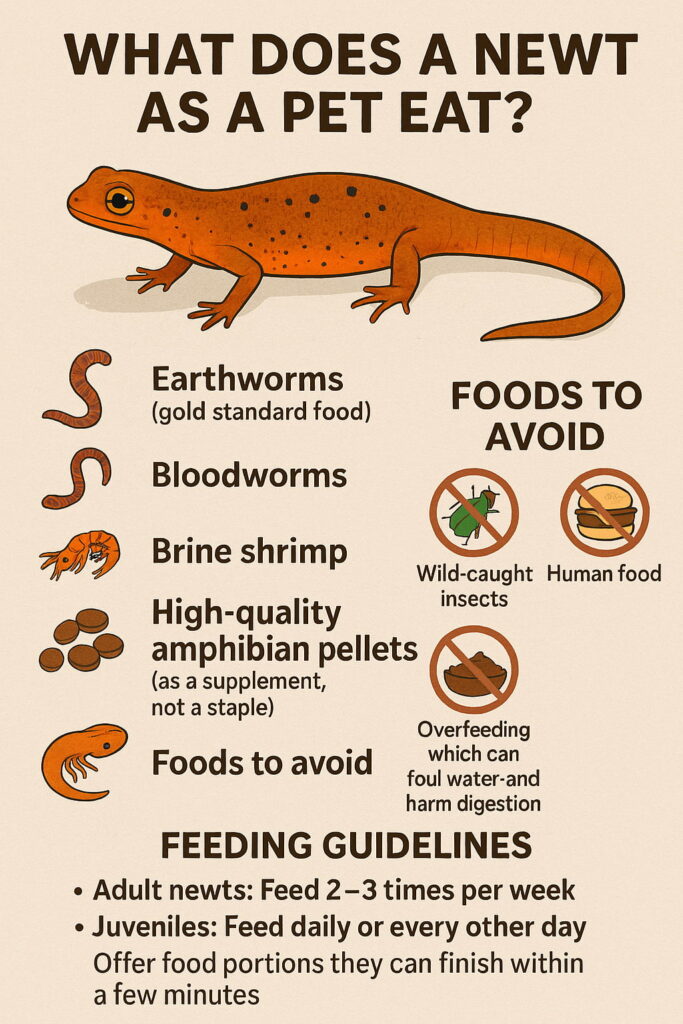
Diet
- Earthworms (gold standard food)
- Bloodworms
- Blackworms
- Brine shrimp
- High-quality amphibian pellets (as a supplement, not a staple)
Feeding Guidelines
- Adult newts: Feed 2–3 times per week
- Juveniles: Feed daily or every other day
- Offer food portions they can finish within a few minutes
Foods to Avoid
- Wild-caught insects (risk of pesticides and parasites)
- Human food
- Overfeeding, which can foul water and harm digestion
Veterinary Care for Pet Newts
While newts are quiet and low-maintenance, veterinary care is still an essential consideration when keeping a newt as a pet.
Common Health Issues
- Fungal skin infections
- Bacterial infections
- Parasitic infestations
- Stress-related appetite loss
Most illnesses are linked to:
- Poor water quality
- Incorrect temperature
- Overhandling
Signs a Newt Needs a Vet
Seek veterinary advice if you notice:
- Lethargy or inactivity
- Loss of appetite
- Floating uncontrollably
- Skin lesions, discoloration, or peeling
Important: Amphibians hide illness well. By the time symptoms appear, intervention may be urgent.
Pros and Cons of Owning a Newt as a Pet
Before choosing a newt as a pet, it’s important to weigh both advantages and disadvantages.
Pros
- Quiet and odorless
- Fascinating to observe
- Low daily maintenance
- Long lifespan (10–20+ years)
- Minimal space requirements
Cons
- Not interactive or handleable
- Sensitive to environmental changes
- Limited access to veterinary care
- Not ideal for young children
- Requires precise temperature and water control
FAQ
Q1: Can you keep a newt as a pet without experience?
A: Yes, but beginners should start with hardy, captive-bred species and educate themselves about habitat, water care, and feeding routines.
Q2: How often should I feed my pet newt?
A: Juveniles eat daily; adults 2–3 times per week. Offer a variety of live foods (earthworms, blackworms, brine shrimp) and high-quality amphibian pellets. Remove uneaten food promptly to prevent water contamination.
Q3: Can newts live with fish?
A: Not recommended. Fish may nip at their tails, stress the newt, or introduce bacteria and parasites. Newts are best kept in species-only tanks.
Q4: Are newts safe for children?
A: Newts are best for teens or adults who can observe rather than handle them. They secrete mild toxins and can carry Salmonella. Always supervise any interactions with children.
Q5: Do newts need UVB lighting?
A: No, but maintaining a natural day/night cycle is important for their activity, feeding, and overall health.
Q6: How long do pet newts live?
A: With proper care, 10–15 years is typical, and some species can live over 20 years.
Q7: Do newts get attached to their owners?
A: No. Newts do not form bonds like mammals or even some reptiles. They recognize environmental cues, such as feeding times, but they do not feel attachment to humans.
Q8: Can you leave a newt alone for a few days?
A: Yes, pet newts can tolerate being alone for 2–3 days if the habitat is stable, water is clean, and food is available. For longer periods, ask a knowledgeable caretaker or use automatic feeders and monitor water quality closely.
Q9: Can newts live in the same household as other pets, like cats or dogs?
A: Yes, but with strict precautions. Newts must be kept in a secure tank. Cats or dogs should never have direct access, as they may injure, stress, or even kill the newt. Even curious pets can disrupt water quality or damage the habitat.
Q10: Can you handle your newt regularly?
A: Minimal handling is recommended. Oils, lotions, and bacteria on human skin can harm their sensitive skin, and frequent handling can stress them, reducing lifespan and immunity.
What People on Reddit and Quora Say About Owning a Newt as a Pet
1. Where to find them and other’s experiences
Some Reddit users ask where to buy or find newts locally, and responses often point to herpetology stores or specialty reptile expos, not typical pet shops.
People also share experiences like having newts live for many years (e.g., one reported about 17 years) and notes about how they escaped tanks and wandered, which makes clear that newts can be surprisingly mobile and escape‑prone if not properly secured.
2. Handling
In broader herp forums, commenters stress that wild amphibians shouldn’t be handled bare‑handed because their skin is sensitive and can absorb contaminants from human hands. They also remind that capturing wild newts can be illegal in many places.
3. Care Discussions
On subreddits focused on salamanders and newts, people ask how to care for them and where to find breeders because many mainstream pet stores don’t stock amphibians like they do axolotls or more common reptiles. This suggests that newts are considered niche and require research to source responsibly.
Typical Quora discussions about exotic pets like newts generally emphasize:
- They’re Interesting and Unique Pets
People often say newts make intriguing pets for those who enjoy observing behavior and biology rather than handling or bonding in the way you might expect with cats or dogs.
- Care and Habitat Requirements Matter
On Quora, users commonly highlight that newts:
- Need appropriate water quality and enclosure setups
- Can be sensitive to water conditions and stress
- Are not beginner pets unless the owner is prepared to do research and maintain ideal environments
This aligns with expert care guides that stress the importance of stable aquatic conditions and minimal handling.
- Legality and Ethics
Quora answers often remind readers to check local wildlife and pet‑ownership laws before acquiring any amphibian, especially species that may be protected or require permits.
Conclusion
Keeping a newt as a pet can be a rewarding experience for the right owner. These fascinating amphibians offer quiet, low-maintenance companionship, educational value, and long lifespans, but they also require specific habitat conditions, careful handling, and proper nutrition.
From a veterinary perspective, owning a newt as a pet best suited for responsible beginners or experienced exotic pet owners who can provide stable water quality, a balanced diet, and minimal stress. They are observe only pets, meaning you won’t form emotional bonds as you would with cats or dogs, but you will enjoy watching their unique behaviors and vibrant colors.


One Comment