Wondering about the best pet frogs for children? You’re in the right place. While frogs are often overlooked as family pets, several beginner-friendly species can be a great addition to your home, especially if you have kids.
Species such as the African dwarf frog, White’s tree frog, and Pacman frog can do very well in home environments when they receive proper care and are handled under adult supervision.
Dive in to learn which frog species are best for children, what makes them kid-friendly, and how to choose the perfect match for your family.
Why Frogs Make Great Pets for Kids
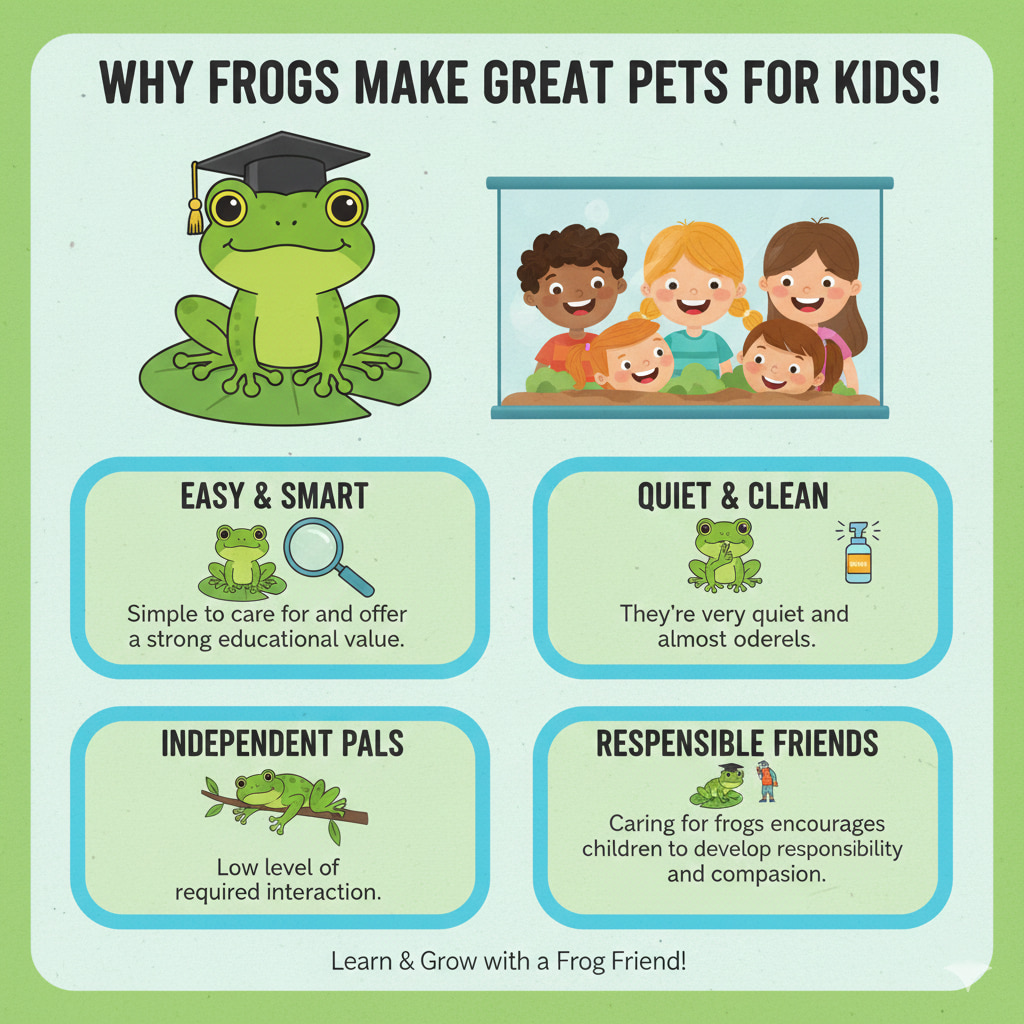
Frogs are often great first pets for children because they’re simple to care for and offer a strong educational value, something that traditional pets like dogs and cats don’t always provide in the same way. They’re very quiet and almost odorless, which makes them ideal for apartments or homes where a low-impact pet is preferred.
Unlike more demanding animals, frogs don’t need daily walks, constant playtime, or formal training. This low level of required interaction makes them a practical choice for busy families who still want their child to experience pet ownership, teaching them responsibility and empathy early on in life. They’re also captivating to observe. Children can watch frogs hunt tiny insects, climb around their enclosure, and interact with their surroundings.
These behaviors can spark an interest in science topics such as animal behavior, life cycles, and ecosystems, turning the frog’s tank into a mini classroom. Caring for frogs encourages children to develop responsibility and compassion. Routine tasks: feeding, cleaning the habitat, and keeping an eye on temperature and humidity, are manageable yet meaningful, helping kids learn to care for another living being.
From a parent’s perspective, frogs are engaging, low-effort, and educational. From a child’s perspective, they’re unusual and fun to watch, encouraging curiosity and careful observation. It’s important to remember, though, that frogs are primarily pets to look at rather than handle, and any handling should be minimal and supervised to keep both child and frog safe.
What Makes a Frog Species Good for Children?
Picking the best pet frogs for children involves more than choosing the brightest or most unusual species. Many frogs don’t adapt well to household life, so it’s essential to look for qualities that make them safe, low-maintenance, and fun for kids to watch.
Important Qualities in Child-Friendly Frogs
- Tough and adaptable
Good starter frogs are sturdy and tolerant. Species that can withstand minor errors in temperature, humidity, or feeding are best for children who are just starting to learn how to care for animals.
- Simple diet
Frogs that eat standard feeder insects like crickets, mealworms, or pellet foods, are more practical for families. Avoid frogs that depend on unusual live prey or strict feeding routines.
- Calm, Observational Nature
Certain frogs are highly energetic or defensive, which may be too intense for young kids. Better choices are calm, slow-moving species that are more fun to watch than to handle frequently.
- Easy Enclosures
Kid appropriate frogs should thrive in relatively simple enclosures with basic heating, water access, and hiding areas. Species that demand intricate, finely tuned habitats can quickly become a burden.
- Safe, Non-Toxic Species
Safety should come first. Frogs for children should not produce strong toxins and should be low risk when briefly handled with adult guidance.
Top 4 Best Pet Frogs for Children
When looking for the best pet frogs for children, it’s important to choose species that are hardy, low-maintenance, and engaging to observe. Here are some of the most common, beginner-friendly frog species that work well in supervised family settings.
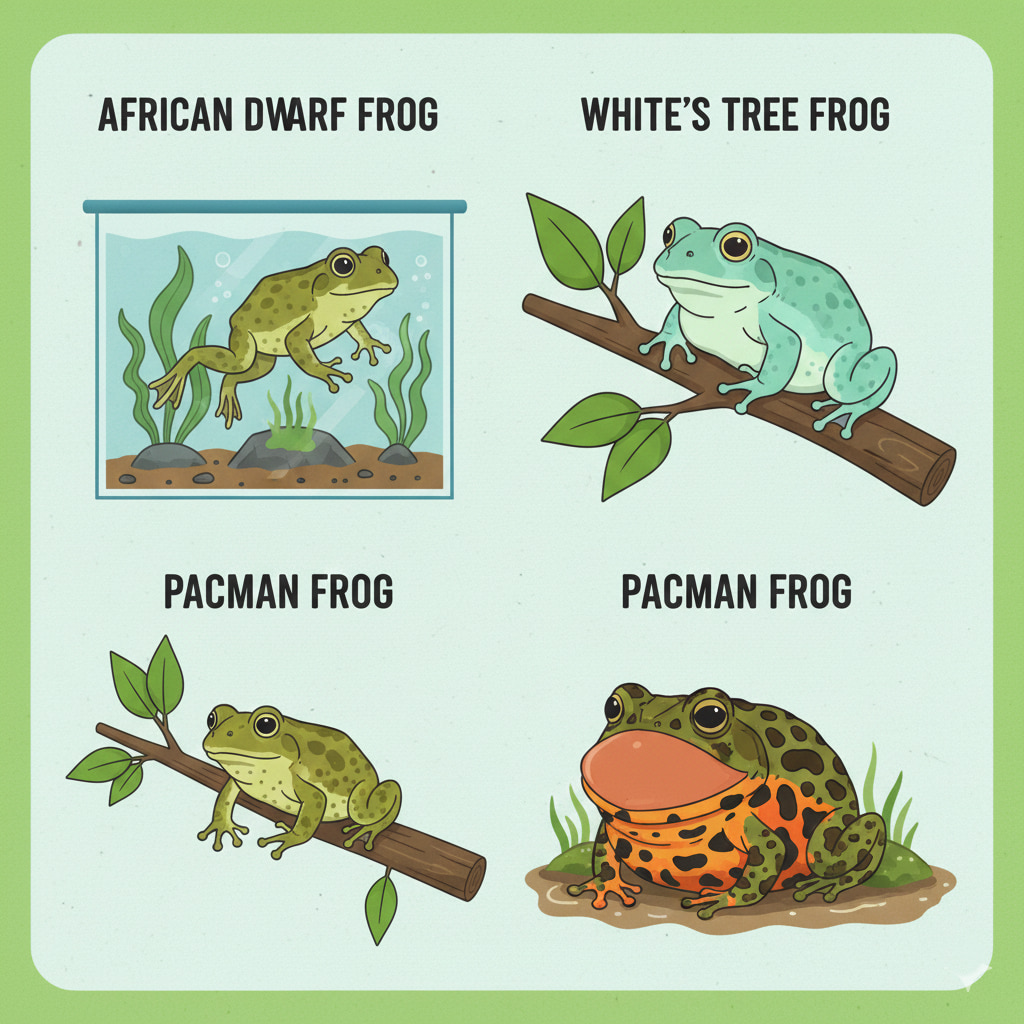
1. African Dwarf Frog
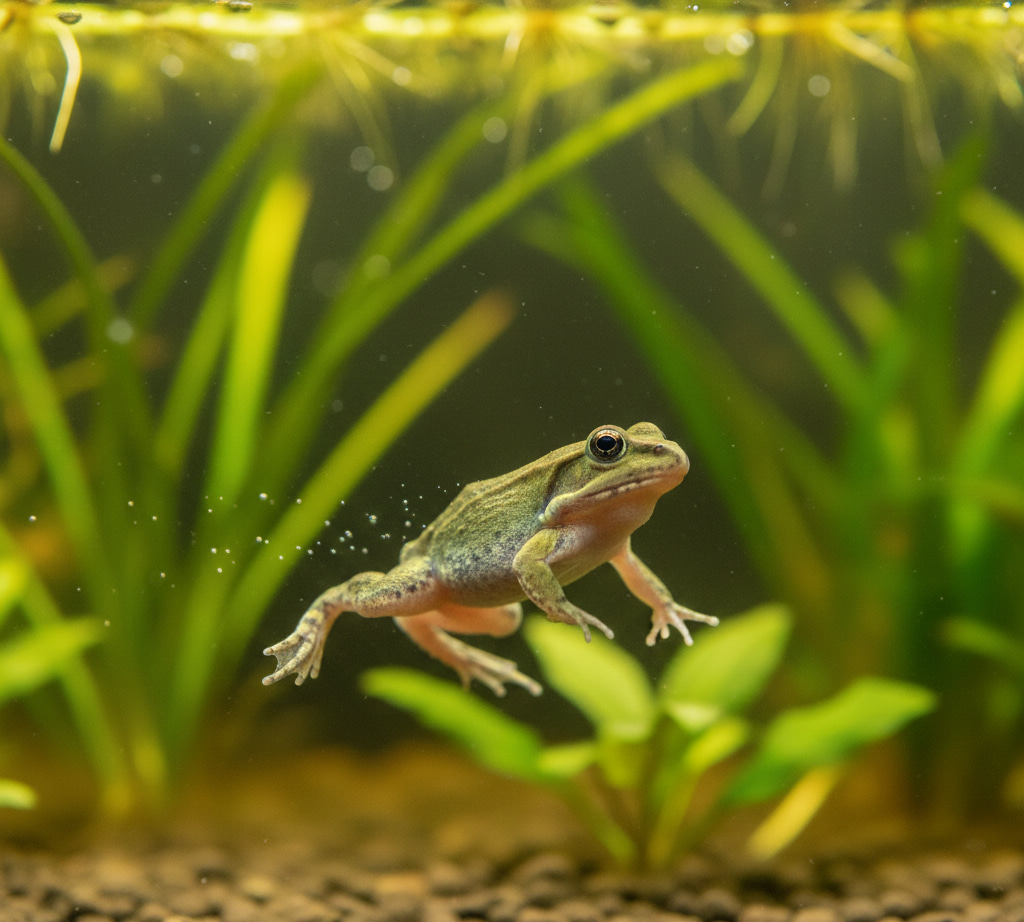
African dwarf frogs are a favorite for kids and first-time frog owners. These small, fully aquatic frogs are gentle, straightforward to care for, and do well in a basic aquarium.
Why they’re good for kids:
- Peaceful and non-aggressive
- Lively and fun to watch
- Simple diet of pellets or small insects
- Small size makes tank upkeep easier
They’re ideal for children who want an entertaining pet to observe rather than handle.
2. White’s Tree Frog (Dumpy Tree Frog)
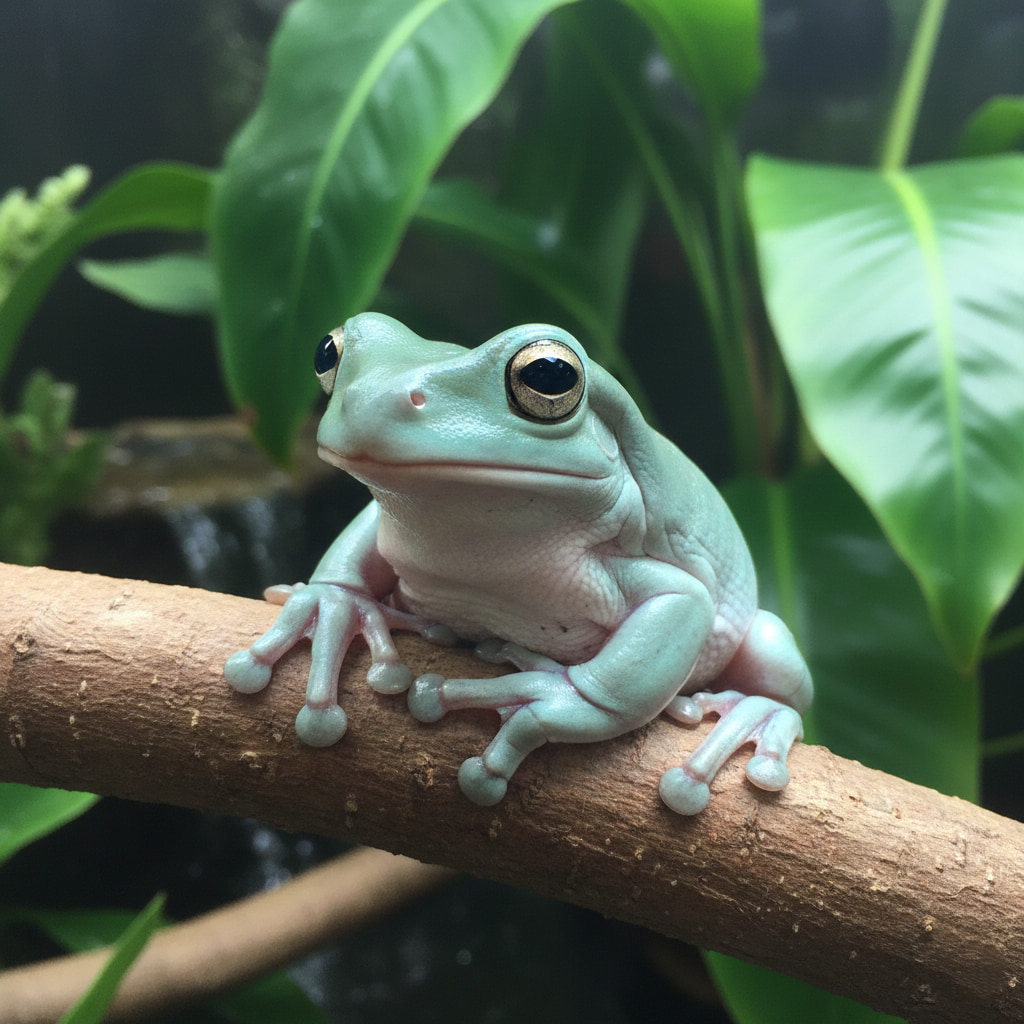
White’s tree frogs are famous for their calm nature and toughness, which makes them excellent for children.
Kid-friendly qualities:
- Hardy and tolerant of minor care errors
- Gentle behavior that’s easy to watch
- Comfortable in a simple terrarium setup
- Long-lived, offering a lasting pet relationship
They’re often listed among the top pet frogs for kids, especially for families new to amphibians.
3. Pacman Frog
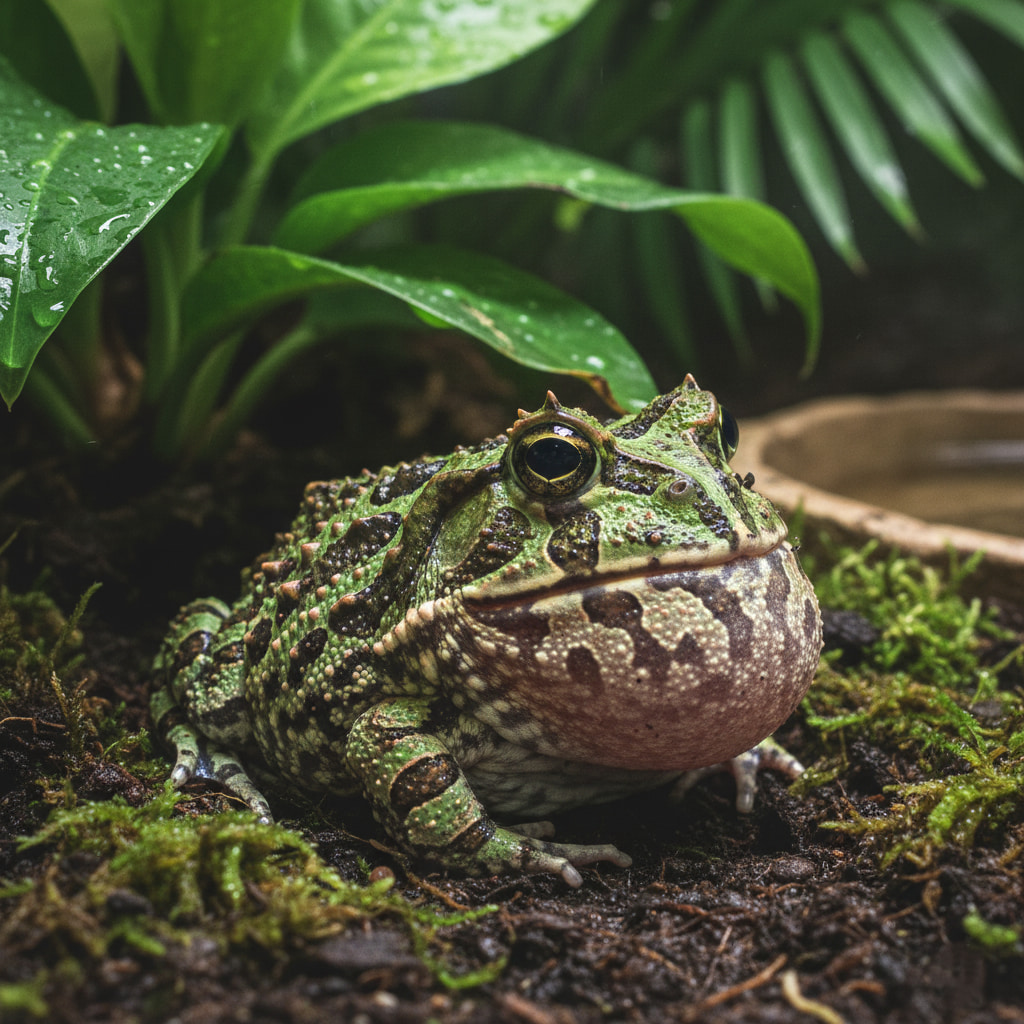
Pacman frogs are round, slow, and fascinating to look at. Their straightforward care needs suit families who prefer a pet to observe rather than handle often.
Why they suit children:
- Limited movement, easy for kids to watch
- Simple feeding schedule (once or twice weekly)
- Low-maintenance enclosure
Though they shouldn’t be handled frequently, Pacman frogs help teach kids responsibility and regular care routines.
4. Fire-Bellied Toad
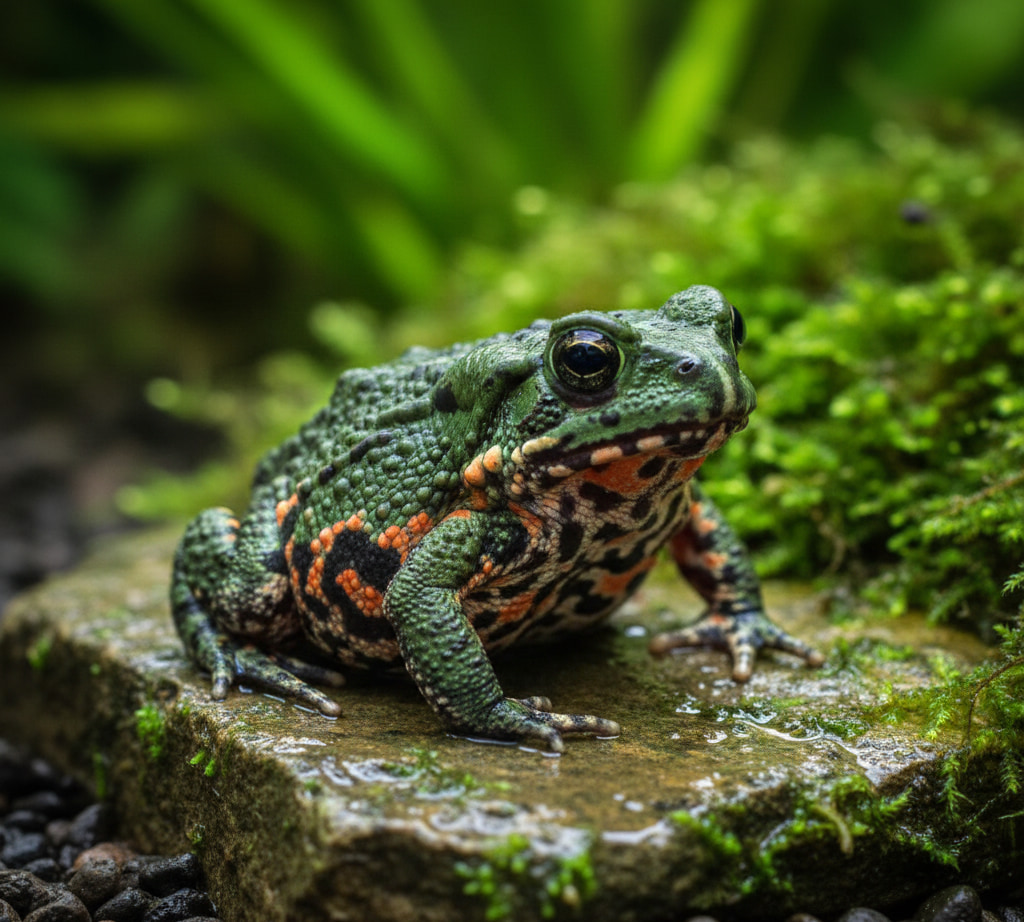
Fire-bellied toads (technically toads) are popular in beginner frog collections thanks to their bright colors and engaging behavior.
Benefits for kids:
- Striking, colorful appearance
- Active and entertaining to observe
- Semi-aquatic habitat is both fun and educational
With proper supervision, they’re safe and offer a distinctive learning experience for children curious about amphibians.
Together, these species are among the best pet frogs for kids, balancing easy care, interesting behavior, and suitability for beginners. Picking the right frog helps ensure a safe, enjoyable, and educational pet experience for the entire family.
Frogs That Aren’t the Best Choice for Kids
Although many frog species can be wonderful pets for children, some are not well-suited to busy family homes. Certain frogs are best kept by experienced hobbyists who understand their specialized needs. Picking an unsuitable species can cause stress for both the child and the frog and may even endanger the animal.
Frogs to Avoid
- Poison Dart Frogs: Their bright colors are appealing, but poison dart frogs can release toxins through their skin. This makes them unsafe for kids and demands extremely careful handling and enclosure care.
- Very Small or Fragile Tropical Frogs: Tiny or delicate frogs are easily hurt by handling or by small mistakes in their environment. Children might accidentally injure them, so these species are better for advanced keepers.
- Highly Aggressive Frogs: Some frogs may bite or react defensively, which is not ideal for a child’s first pet. These behaviors can be stressful and potentially unsafe in a family setting.
- Frogs With Demanding Climate Needs: Species that rely on very strict humidity, temperature, or water quality conditions are hard for beginners to manage. They require specialized equipment and constant attention, which can be too much for both kids and parents.
Overall, these frogs are poor choices for children because they need expert-level care, careful handling, and close supervision. Choosing sturdy, beginner friendly species helps kids enjoy their pets safely while learning responsibility and an appreciation for nature.
Care, Safety, and Habitat for Pet Frogs
Once you’ve chosen the right frog, it’s important to provide a safe and healthy environment. Frogs are observation pets, meaning they require minimal handling, but proper habitat setup and care are essential for their well-being.
1. Housing and Tank Setup
- Aquatic Frogs: Species like the African dwarf frog need a fully aquatic tank with clean, filtered water. A 5–10 gallon tank is usually sufficient for one or two frogs.
- Semi-Aquatic Frogs: Fire-bellied toads thrive in a tank with both water and land areas. Ensure the water is shallow enough for easy climbing and that there are hiding spots.
- Arboreal Frogs: White’s tree frogs need vertical space and branches or plants to climb on. Terrariums should have a secure lid, as frogs can escape easily.
Tip: A secure lid, proper ventilation, and easy access for cleaning are essential. For families with children, the tank should be in a safe location away from direct sunlight and high-traffic areas.
2. Temperature and Humidity
- Most beginner frogs prefer moderate temperatures around 22–26°C (72–79°F).
- Maintain adequate humidity for species like tree frogs using misting or a small humidifier.
- Monitor conditions with a simple thermometer and hygrometer to ensure your frogs stay healthy.
3. Diet and Feeding
The best pet frogs for children have relatively simple diets:
- African dwarf frogs: Feed small frozen or live food like bloodworms or commercially prepared pellets.
- White’s tree frogs and Pacman frogs: Small crickets, mealworms, or other feeder insects.
- Fire-bellied toads: Tiny insects or specialized amphibian pellets.
Tip: Feeding should be supervised for safety, and leftover food should be removed to prevent tank contamination.
4. Safety and Hygiene
Frogs secrete substances through their skin, so always wash hands before and after handling or tank maintenance.
- Children should avoid excessive handling, as frogs are delicate and can be stressed easily.
- Teach kids not to tap on the glass or disturb hiding spots, ensuring the frog feels secure.
- Never mix frog species.
- Keep tanks away from direct sunlight.
Why Supervision Matters
Even hardy frogs benefit from supervision. The best pet frogs for children are those that are observed rather than constantly handled. By teaching kids to respect their pet’s space and needs, you create a safe environment and foster a sense of responsibility.
Are Frogs Good Pets for Young Children?
When considering the best pet frogs for children, it’s important to evaluate both the child’s age and their interest in observing rather than handling animals. Frogs are observation-based pets, meaning they are best appreciated by kids who enjoy watching behaviors, learning about ecosystems, and taking responsibility for a small habitat.
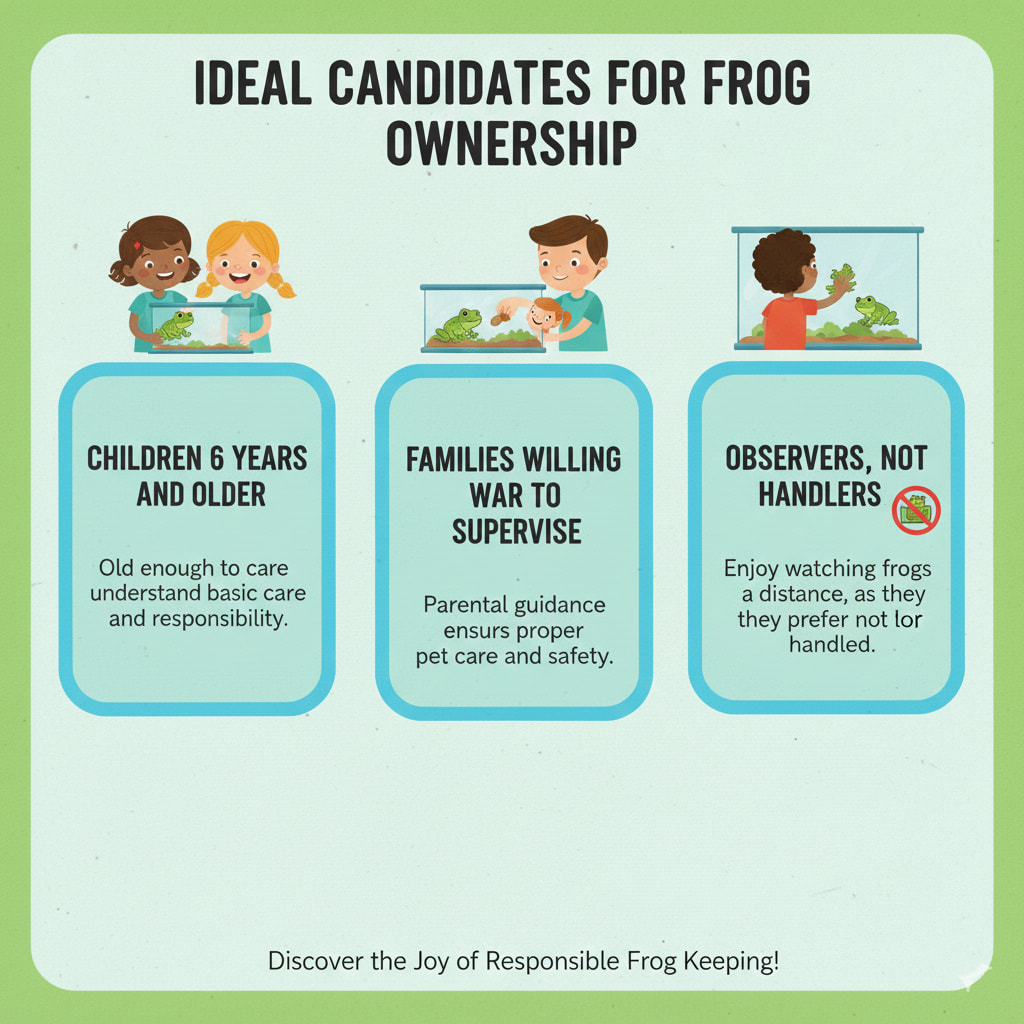
Ideal Candidates for Frog Ownership
- Children 6 years and older: Young children may not yet understand the delicate nature of frogs or the importance of gentle handling. Kids aged six and above are usually capable of following care instructions and learning responsibility.
- Families willing to supervise care: Frogs require regular feeding, habitat cleaning, and monitoring of temperature and humidity. Parental supervision ensures the pet’s safety and teaches children how to care for living creatures properly.
- Kids who enjoy observing rather than handling pets: Unlike dogs or cats, frogs are not cuddly or highly interactive. They thrive in a calm environment where children can watch their natural behaviors, such as hunting, climbing, or swimming. Frogs may not be the right choice for children who expect a pet to play with physically or snuggle.
However, for calm, curious kids, frogs offer a rewarding, educational, and low-maintenance pet experience. Choosing one of the best pet frogs for children allows families to enjoy the fascination and learning opportunities of amphibian care without the stress of a more demanding pet.
FAQs About the Best Pet Frogs for Children
- What are the best pet frogs for children?
The best pet frogs for children are species that are hardy, low-maintenance, and safe to observe. Popular options include the African dwarf frog, White’s tree frog, Pacman frog, and fire-bellied toad. These species are easy to care for, engaging to watch, and suitable for supervised family environments.
- At what age can children have frogs as pets?
Frogs are best suited for children 6 years and older, as younger kids may not understand how delicate frogs are. Supervision is key to ensure proper care and prevent accidental harm to the frog.
- How much daily care do pet frogs require?
The best pet frogs for children require minimal daily care compared to dogs or cats. Most beginner-friendly species need feeding a few times per week, monitoring water quality or humidity, and occasional tank cleaning. Children can participate in feeding and observation under adult supervision.
- Can children handle frogs?
Frogs are primarily observation pets, so handling should be limited. While supervised handling is okay for some species, excessive touching can stress the frog and harm its delicate skin. Teaching children to observe rather than handle ensures a safe and enjoyable experience.
- Are frogs safe for children?
Yes, if you choose kid-friendly, non-toxic species like African dwarf frogs, White’s tree frogs, or Pacman frogs. Poisonous or highly delicate frogs should be avoided. Always supervise interactions and teach children proper hygiene, such as washing hands before and after tank maintenance.
- What type of tank or habitat is best for a child’s frog?
The ideal habitat depends on the species:
- Aquatic frogs: Small, filtered aquariums with clean water.
- Semi-aquatic frogs: Tanks with both water and land areas.
- Tree frogs: Terrariums with vertical space and branches to climb.
Make sure the tank is secure, easy to clean, and maintained with proper temperature and humidity for the species.
- Can frogs teach children responsibility?
Absolutely. The best pet frogs for children help kids learn responsibility, patience, and observation skills. Feeding, cleaning the tank, and monitoring conditions are simple yet educational tasks that teach children how to care for living creatures.
Conclusion
Choosing the best pet frogs for children can be a rewarding experience for both kids and parents. Frogs are quiet, low-maintenance, and educational pets that allow children to observe fascinating behaviors, learn responsibility, and develop an appreciation for nature.
When selecting a frog, focus on hardy, beginner friendly species such as the African dwarf frog, White’s tree frog, Pacman frog, or fire-bellied toad. These species are ideal for children six years and older, families willing to supervise care, and kids who enjoy observing rather than handling pets.
By providing a safe habitat, proper diet, and age-appropriate supervision, your child can enjoy the unique experience of caring for a frog while learning valuable lessons about animals and ecosystems. With the right preparation, frogs can be a fun, engaging, and educational addition to your home, truly making them some of the best pet frogs for children.
One Comment