The Australian Cattle Dog is a smart, energetic herding breed known for loyalty and endurance. Learn about their temperament, care needs, training, and if this active dog is right for you.
Origin and History of the Australian Cattle Dog
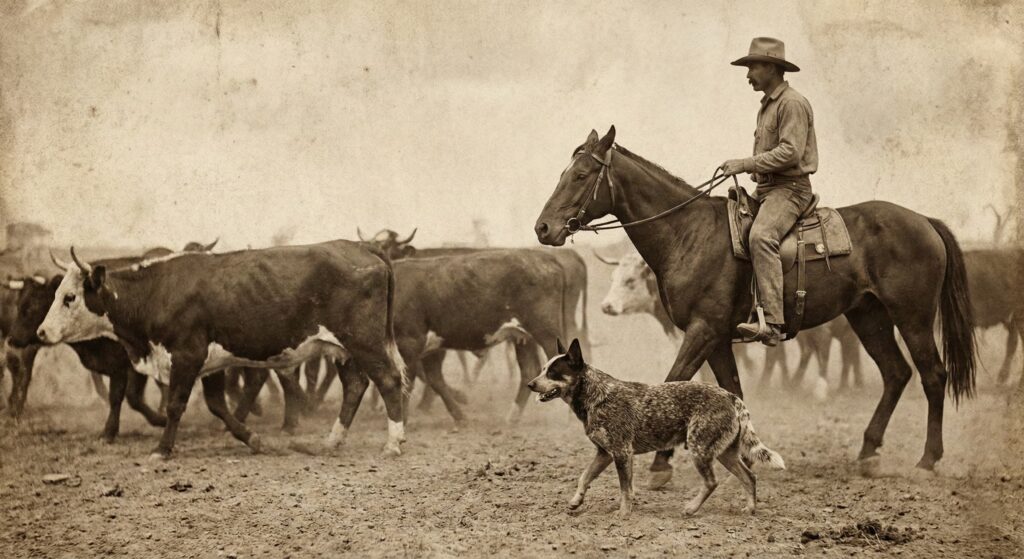
The Australian Cattle Dog has one of the most fascinating and functional histories of any other breed. Developed in the early 19th century in Australia, these dogs were created specifically to help cattle ranchers move tough, stubborn livestock across long, rugged distances. Early British herding dogs couldn’t handle the heat, harsh terrain, or the semi-wild cattle found on Australian ranches, so breeders needed a new, stronger working dog.
To build the perfect cattle drover, ranchers crossed several breeds, including the Smooth Collie, Dingo, Dalmatian, and Black and Tan Kelpie. Each breed added a key trait: intelligence, endurance, herding instinct, resilience, and loyalty. This careful development gave rise to the dog we now know as the Australian Cattle Dog, or Blue Heeler and Red Heeler, depending on coat color.
By the late 1800s, the breed had already earned a reputation for being incredibly tough, intelligent, and driven. Australian ranchers relied heavily on them to manage cattle over massive stretches of land, sometimes over hundreds of kilometers. Their intense work ethic and ability to “heel” (nip gently at cattle’s heels to move them) became their signature trait and part of their modern name.
Today, the Australian Cattle Dog is still used for herding, but they are also beloved companions for active families, farmers, and dog sports enthusiasts. Their history shaped them into one of the most loyal, hardworking, and intelligent dogs in the world.
Physical Characteristics of the Australian Cattle Dog
The Australian Cattle Dog, also known as the Blue Heeler or Red Heeler, is a medium-sized, muscular, and agile herding dog built for stamina and endurance. These dogs have a compact, strong body with a broad chest, well-developed shoulders, and powerful legs, traits that make them perfect for herding cattle over long distances.
Size and Weight
- Height: 17–20 inches (43–51 cm) at the shoulder
- Weight: 35–50 pounds (16–23 kg)
- Males tend to be slightly larger than females
Coat and Color
The Australian Cattle Dog has a short, dense, weather-resistant coat, which protects them in harsh Australian conditions. Common colors include:
- Blue or blue speckled; often referred to as the “Blue Heeler”
- Red speckled; often called the “Red Heeler”
Some dogs also have tan markings on the face, chest, or legs, adding to their distinctive appearance.
Head, Eyes, and Ears
- Broad, strong head with a slightly rounded skull.
- Dark, alert eyes expressing intelligence and focus.
- Erect, pointed ears that are highly sensitive to sounds.
Tail and Legs
- Tail: straight or slightly curved, medium-length, carried low when relaxed.
- Legs: muscular and powerful for running, jumping, and herding.
- Paws: compact and strong, providing excellent traction on rough terrain.
Key Traits Related to Function
The Australian cattle dog for is always recognized for its endurance, strength, and agility qualities developed over centuries to handle Australia’s tough landscapes and cattle-driving work. Even the puppies inherit this natural athleticism and herding instinct.
understanding these physical characteristics is essential for knowing how to train, exercise, and care for one properly.
Temperament and Behavior of the Australian Cattle Dog
The Australian cattle dog, often called the blue heeler, is renowned for its intelligence, loyalty, and high energy. These traits make the breed an excellent working dog, family companion, and, in many cases, a dog suited for active lifestyles. Whether you’re considering an Australian Cattle Dog or a Blue Heeler puppy, understanding their temperament is essential.
- Intelligent and Alert
Australian Cattle Dogs are highly intelligent and quick learners. They excel at herding, agility, obedience, and problem-solving tasks. Owners of this breed should be prepared to provide mental stimulation daily to prevent boredom, which can lead to destructive behavior.
- Loyal and Protective
This breed forms strong bonds with their family and is naturally protective. Australian Cattle Dogs often watch over children and their home, making them loyal companions. When adopting a cattle dog Australian or if you are still in search for Blue Heeler for sale, it’s important to socialize them early to ensure balanced behavior around strangers and other pets.
- Energetic and Active
These dogs have high energy levels and require plenty of physical exercise. Without regular activity, they may become restless or develop undesirable behaviors such as excessive barking, nipping, or digging. Daily walks, play sessions, or herding tasks are ideal for both adult Australian Cattle Dogs and even puppies.
- Herding Instincts
Even Blue Heeler puppies display natural herding instincts, often trying to herd people, children, or other pets. While this is a signature trait of the breed, early training and redirection are necessary to manage these behaviors appropriately.
- Independent Yet Affectionate
While the breed is independent and strong-willed, Australian Cattle Dogs are affectionate with families and respond well to consistent, positive reinforcement training. This combination of independence and loyalty is a hallmark of the Australian Cattle Dog, making them both challenging and rewarding to own.
Care Requirements for the Australian Cattle Dog
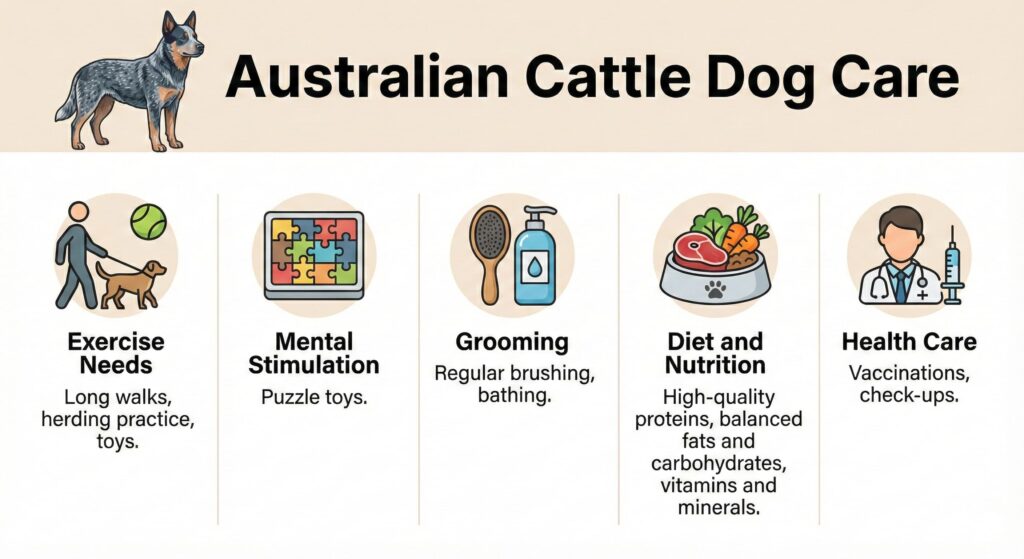
Owning an Australian Cattle Dog, comes with specific care requirements to keep your dog healthy, happy, and well-behaved. Whether you’re thinking about an adult Australian cattle dog or a blue heeler puppy, understanding their needs is crucial.
- Exercise Needs
Australian Cattle Dogs are high-energy working dogs. They require daily physical activity to stay healthy and avoid boredom. Activities can include:
- Long walks or runs
- Herding practice (if possible)
- Agility or obedience training
- Interactive play with toys
Even Blue Heeler puppies need daily structured exercise to develop properly and burn off excess energy. Without sufficient activity, adult Australian Cattle Dogs may develop destructive habits such as chewing, barking, or digging.
- Mental Stimulation
This breed is extremely intelligent and alert, so mental exercise is just as important as physical activity. Puzzle toys, obedience training, and herding games help keep an Australian Cattle Dog mentally engaged. Early training for the cattle puppies sets the foundation for a well-rounded adult dog.
- Grooming
The Australian Cattle Dog has a short, dense coat that is relatively low-maintenance but sheds seasonally. Care requirements include:
- Brushing 1–2 times per week
- Occasional bath (as needed)
- Nail trimming, ear cleaning, and dental care
Proper grooming ensures your Blue Heeler stays healthy and comfortable.
- Diet and Nutrition
Australian Cattle Dogs need high-quality, balanced nutrition to support their energy and muscle development. Key points:
- Feed age-appropriate dog food (puppy vs adult formulas)
- Monitor portion sizes to maintain healthy weight
- Provide plenty of fresh water
Owners of Australian Cattle puppies should follow vet guidance for puppy feeding schedules and growth monitoring.
- Health Care
Routine veterinary care is essential for all Australian Cattle Dogs, including:
- Vaccinations (like rabies read more about rabies vaccines for dogs to ensure your pet’s health)
- Regular check-ups and parasite prevention
- Hip and elbow screening for herding dogs
Understanding care requirements helps ensure that your Blue Heeler puppies grow into healthy, happy adults.
Training & Exercise for the Australian Cattle Dog
The Australian Cattle Dog, isn’t just any dog—it’s a highly intelligent, energetic, and determined breed that thrives on activity and mental challenges. If you’re thinking about getting an Australian Cattle Dog for sale or a Blue Heeler puppy, it’s important to understand that these dogs need consistent training and plenty of exercise to stay happy and healthy.
- Start Training Early
Whether you have Blue Heeler puppies or older adult dogs, early training is key. These dogs are smart, but they’re also independent and strong-willed. Gentle, consistent, and positive reinforcement works best. Reward-based training helps them learn commands, curb nipping behaviors, and develop a strong bond with you.
- Socialization is Essential
From the first few weeks, expose your Australian Cattle Dog puppy to different people, pets, and environments. This prevents shyness or aggression later on. Socialization also teaches them how to behave politely around children and strangers, which is important whether you’re raising a Blue Heeler puppy or a full-grown dog.
- Exercise to Burn Energy
These dogs have boundless energy. Without daily exercise, they can get bored—and that boredom can turn into chewing, barking, or even herding your family members! Recommended activities include:
- Long daily walks or jogs
- Fetch, tug-of-war, or other interactive games
- Herding practice or agility exercises (if available)
- Mental games like puzzle toys or scent challenges
They need regular play sessions to help develop their bodies and minds safely.
- Keep It Fun and Engaging
Training and exercise don’t have to feel like a chore for you or your dog. Australian Cattle Dogs love challenges, so mix up routines, add new commands, or create obstacle courses. A mentally and physically stimulated dog is a well-behaved, happy companion.
- Patience Pays Off
Remember, the Australian Cattle Dog is a lifelong learner. They thrive when training is consistent, patient, and fun. Investing time in training will pay off with a dog that’s not only obedient but also loyal, loving, and incredibly smart.

Buying an Australian Cattle Dog
If you’re considering getting an Australian Cattle Dog—also known as a Blue Heeler—knowing how to buy responsibly is just as important as understanding their care and temperament. Whether you’re searching for an Australian Cattle Dog for sale, or cattle dog puppies for sale, following this guide will help you make the best decision.
- Decide Between Puppy or Adult Dog
- Puppies: If you’re looking for blue heeler puppies for sale, you have the chance to train and socialize them from the start. Puppies are adorable but require patience, consistency, and lots of energy.
- Adults: Searching for an adult blue heeler for sale or adopting one can be easier for busy families since they may already be trained and socialized. Adult dogs can also have calmer energy levels than young puppies.
- Find a Reputable Breeder
When looking for Australian Cattle Dog puppies for sale, it’s important to find a responsible breeder who:
- Screens for common health issues like hip dysplasia and deafness
- Provides proper vaccinations and veterinary care
- Socializes the puppies from an early age
- Has a clean, safe environment
Avoid buying dogs from puppy mills or unverified online sellers. A healthy cattle dog australian puppy comes from careful breeding, not shortcuts.
- Consider Adoption
You don’t always have to buy from a breeder. Many Australian Cattle Dogs end up in rescues or adoption centers, and adopting one can give a loving dog a second chance. Rescue organizations often provide basic training, vaccinations, and medical care before adoption.
- Understand Costs
Owning an Australian Cattle Dog goes beyond the purchase price:
- Puppies from reputable breeders: usually range from $800–$2,500 depending on lineage and location
- Adoption fees: generally lower, often $200–$600
- Ongoing costs: food, vet care, toys, training, and supplies
- Prepare Your Home
Australian Cattle Dogs are active and intelligent, so prepare your home with:
- A secure yard for exercise
- Safe chew toys and interactive games
- Training tools and mental stimulation activities
Being ready before bringing home your blue heeler puppy or adult dog sets the stage for a happy, well-adjusted dog.
Health & Lifespan of the Australian Cattle Dog
When thinking about getting an Australian cattle dog, understanding their health and lifespan is key to giving them a long, happy life. These dogs are generally healthy and hardy, thanks to their working-dog heritage, but like any breed, they have some health considerations owners should be aware of.
Average Lifespan
Most Australian Cattle Dogs live 12–16 years, which is relatively long for a medium-sized, active breed. Proper care, exercise, and diet play a big role in helping them reach their golden years.
Common Health Issues
Even though they’re robust, there are a few conditions that prospective owners should watch for:
- Hip and elbow dysplasia: Can affect mobility, especially in active dogs.
- Deafness: Some dogs are born with partial or complete deafness, often related to coat color patterns.
- Progressive retinal atrophy (PRA): An eye condition that can lead to vision loss.
- Obesity: Not unique to the breed, but keeping them fit is important to avoid joint problems.
If you’re looking at “Australian Cattle Dog puppies for sale” or a “Blue Heeler for sale”, reputable breeders often screen for these conditions, which can save you worry later on.
Tips for Maintaining Health
- Regular vet visits: Ensure vaccinations, parasite control, and routine check-ups are up to date.
- Balanced diet: Feed high-quality food suitable for their age and activity level.
- Exercise: Daily physical and mental activity keeps them fit and reduces stress.
- Grooming: Brushing their short, dense coat and checking nails, ears, and teeth keeps minor issues from becoming major.
With the right care, your Australian Cattle Dog can remain energetic, happy, and healthy well into their teens—making every moment with your loyal companion worth it.

Pros and Cons of Owning an Australian Cattle Dog
Owning an Australian Cattle Dog—or Blue Heeler—can be one of the most rewarding experiences, but it’s not for everyone. This breed is smart, energetic, and deeply loyal… but also demanding. Here’s an honest look at the pros and cons, so you know exactly what to expect before bringing one home.
Pros of Owning an Australian Cattle Dog
- Extremely Intelligent
The Australian Cattle Dog is one of the smartest dog breeds. They learn fast, understand routines quickly, and thrive on mental challenges. Whether it’s advanced obedience, agility, or herding games, a Blue Heeler loves a job.
- Loyal and Protective
These dogs form strong bonds with their families and stay incredibly loyal. They’re naturally alert and make excellent watchdogs, not aggressive, but confident and aware of their surroundings.
- Athletic and Energetic (Great for Active People)
If you love hiking, jogging, running, or outdoor activities, an Australian Cattle Dog is the perfect partner. Their stamina is impressive, and they’re happiest when moving.
- Low Maintenance Coat
Despite working outdoors, their short double coat is surprisingly easy to maintain. They don’t require grooming services—just regular brushing.
- Long Lifespan
Australian Cattle Dogs are known for their longevity, often living 12–16 years. Some even surpass that with good care.
Cons of Owning an Australian Cattle Dog
- Requires a Lot of Exercise
This is the biggest challenge. If you’re getting an Australian Cattle Dog puppy, be prepared for endless energy. Without enough daily activity, they can become bored, destructive, or restless.
- Can Be Stubborn or Strong-Willed
Their intelligence comes with independence. Training a Blue Heeler requires consistency, structure, and patience. They don’t respond well to harsh correction but also won’t listen if you aren’t firm.
- Herding Instincts
This breed was created to move cattle, so the instinct is strong. They may try to herd children, other pets, or even adults, especially puppies. Nipping at heels can happen early on and needs training.
- Not Ideal for First-Time Dog Owners
Because they need firm training, lots of stimulation, and experience handling high-energy breeds, they can be overwhelming for beginners.
- Socialization Is a Must
Without early socialization, an Australian Cattle Dog may become wary of strangers, protective, or anxious. They need consistent exposure to new people and environments.
Conclusion
The Australian Cattle Dog is not just another energetic breed; it’s a loyal, intelligent, and hard-working partner designed for people who truly understand what a high-drive dog needs. Whether you call them an Australian Cattle Dog or a Blue Heeler, their reputation is the same: smart, devoted, protective, and always ready for adventure.
This breed thrives with owners who enjoy an active lifestyle, daily training, and a dog that stays mentally and physically engaged. For the right person, an Australian Cattle Dog becomes more than a pet; they become a best friend, a guardian, and a constant companion.
But they’re also not a “casual” choice. Many owners emphasize that these dogs need structure, exercise, and a job to stay happy. If you can meet those needs, you’ll gain one of the most loyal and capable dogs in the world. If not, the breed can quickly feel overwhelming.
In the end, choosing an Australian Cattle Dog is a decision to welcome a smart, determined, and deeply bonded dog into your life. If you’re ready for the commitment, the rewards are enormous, a lifetime of companionship, adventure, and unwavering loyalty.