Looking for the best cat breeds for small apartments? Discover why breeds like British Shorthair, Ragdoll, and Russian Blue thrive in small spaces, and which cats may not be suitable.
Introduction
Living in a small apartment doesn’t mean you have to give up the idea of owning a cat. Many cat breeds for small apartments are calm, adaptable, and perfectly content living in limited space as long as their basic needs are met. The key is choosing a cat whose personality and energy level match apartment life.
An apartment-friendly cat is typically one that is quiet, low to moderate in energy, and comfortable spending most of its time indoors. These cats don’t require large open areas to run, are less likely to become stressed by limited space, and can stay mentally stimulated with toys, vertical climbing areas, and regular interaction.
Before adopting, it’s important to think about your lifestyle. Consider your apartment size, your daily schedule, and how much time you can dedicate to play and care. Some cats thrive in small spaces with minimal effort, while others may struggle without constant stimulation or room to explore. Choosing the right breed and personality from the start is essential for both you and your cat.
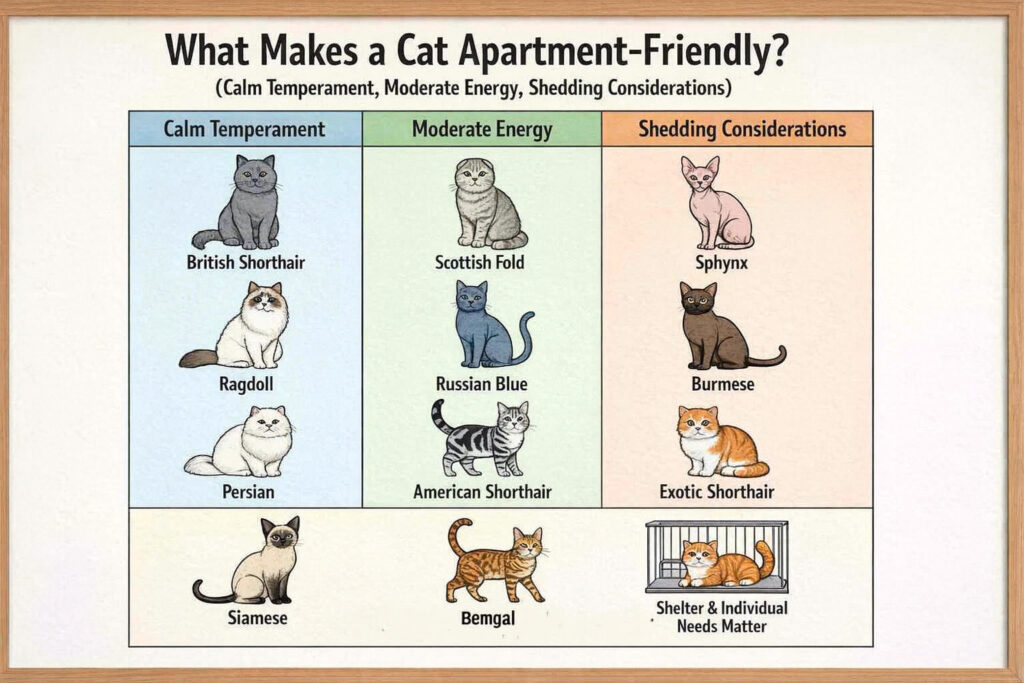
What Makes a Cat Apartment-Friendly?
Not all cats are well suited for apartment living, which is why choosing the right breed and temperament for your space is so important. But what exactly makes a cat ideal for apartment life? Here are the most important traits to consider.
- Calm Temperament
Cats with a calm and relaxed personality are usually the best fit for apartments. They are less likely to become stressed by noise, neighbors, or limited space. A calm cat enjoys lounging in cozy spots, interacting gently with their owners, and adapting well to indoor life. These cats tend to be friendly without being overly demanding, making them perfect companions for apartment dwellers.
- Moderate Energy
High-energy cats may struggle in small apartments, especially if they don’t have enough space to play or explore. Apartment-friendly cats typically have moderate energy levels: they enjoy interactive play sessions but are also content resting quietly for most of the day. With regular stimulation like toys, scratching posts, and climbing shelves, they stay healthy and happy without needing a backyard or large roaming space.
- Shedding Considerations
Excessive shedding can be challenging in a small apartment where space is limited. Apartment-friendly breeds often have short or medium-length coats that are easier to maintain. You can reduce the shedding with regular brushing to keep your apartment clean, while also providing an opportunity to bond with your cat.
By keeping temperament, energy, and shedding in mind, you can select a cat that not only thrives in your apartment but also brings joy and companionship without causing stress, for both you and your furry friend.
Best Cat Breeds for Small Apartments
The following cat breeds are ranked from most apartment-friendly to least, based on temperament, noise level, activity needs, and how well they adapt to small indoor spaces.
1. British Shorthair
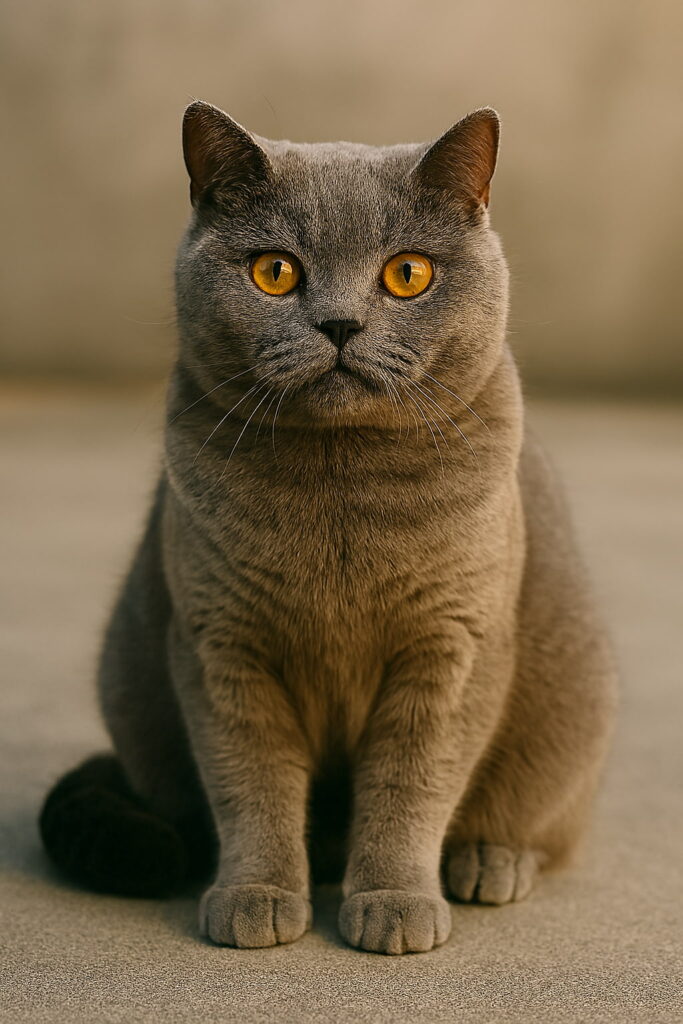
- Size & weight: Medium to large build, typically weighing between 9–17 lbs (4–8 kg).
- Personality: Calm, independent, easygoing
- Noise Level: Very low
- Activity Level: Low to moderate
- Why it fits small apartments: British Shorthairs are famously relaxed and do not require much space to stay happy. They enjoy quiet companionship and are perfectly content lounging indoors, making them one of the best cats for small apartments.
- Downsides: Can be expensive to purchase from breeders, and they are not very attention-seeking, which may disappoint owners looking for a highly interactive cat.
2. Ragdoll
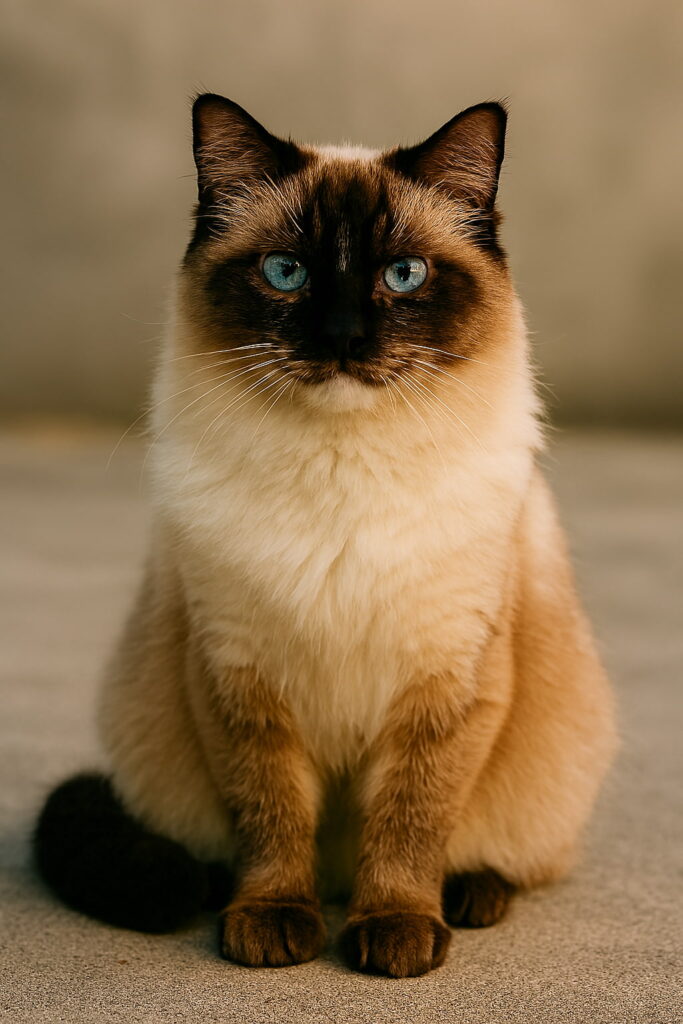
- Size & weight: Large cats, usually 10–20 lbs (4.5–9 kg).
- Personality: Gentle, affectionate, people-oriented
- Noise Level: Low
- Activity Level: Low
- Why it fits small apartments: Ragdolls thrive indoors and prefer staying close to their owners rather than exploring large areas. Their calm nature and low activity level make them ideal for apartment living.
- Downsides: Often more expensive than average cats. They need regular grooming and may become unhappy if left alone for long hours.
3. Scottish Fold
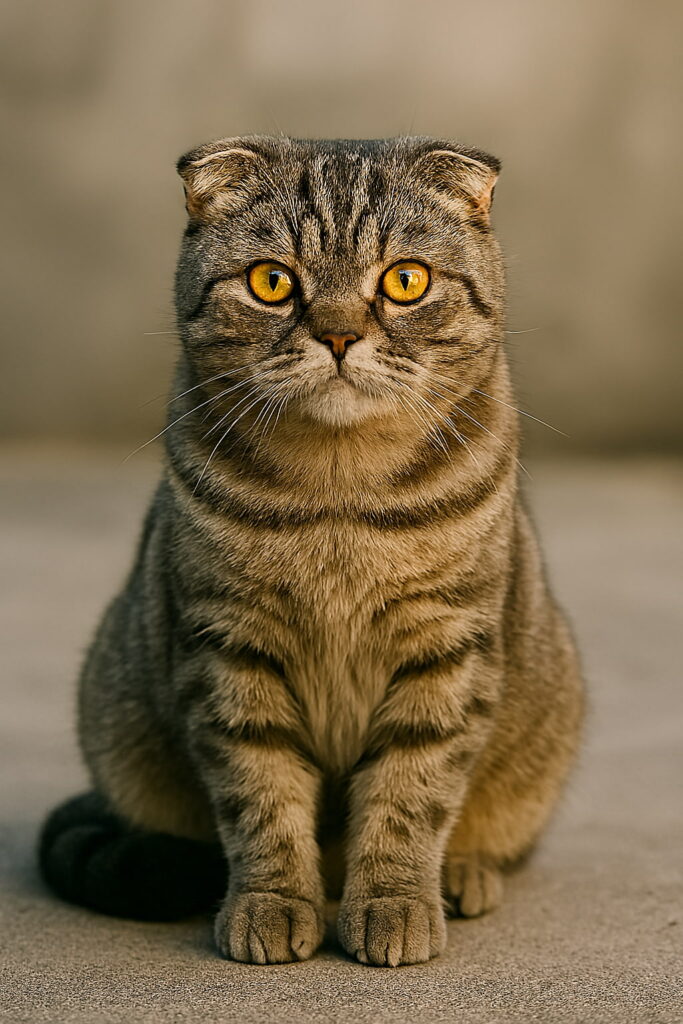
- Size & weight: Medium-sized cats, typically 6–13 lbs (2.7–6 kg).
- Personality: Sweet, calm, adaptable
- Noise Level: Low
- Activity Level: Moderate
- Why it fits small apartments: Scottish Folds adjust easily to smaller living spaces and enjoy a peaceful indoor lifestyle. They are playful in short bursts but generally relaxed.
- Downsides: Prone to joint and cartilage issues, which may require long-term veterinary care.
4. Russian Blue

- Size & weight: Medium build, around 7–12 lbs (3–5.5 kg).
- Personality: Quiet, intelligent, slightly shy
- Noise Level: Very low
- Activity Level: Moderate
- Why it fits small apartments: This breed prefers calm environments and predictable routines. Russian Blues are quiet, clean, and comfortable spending most of their time indoors.
- Downsides: Can be reserved with strangers and dislikes noisy households.
5. Exotic Shorthair
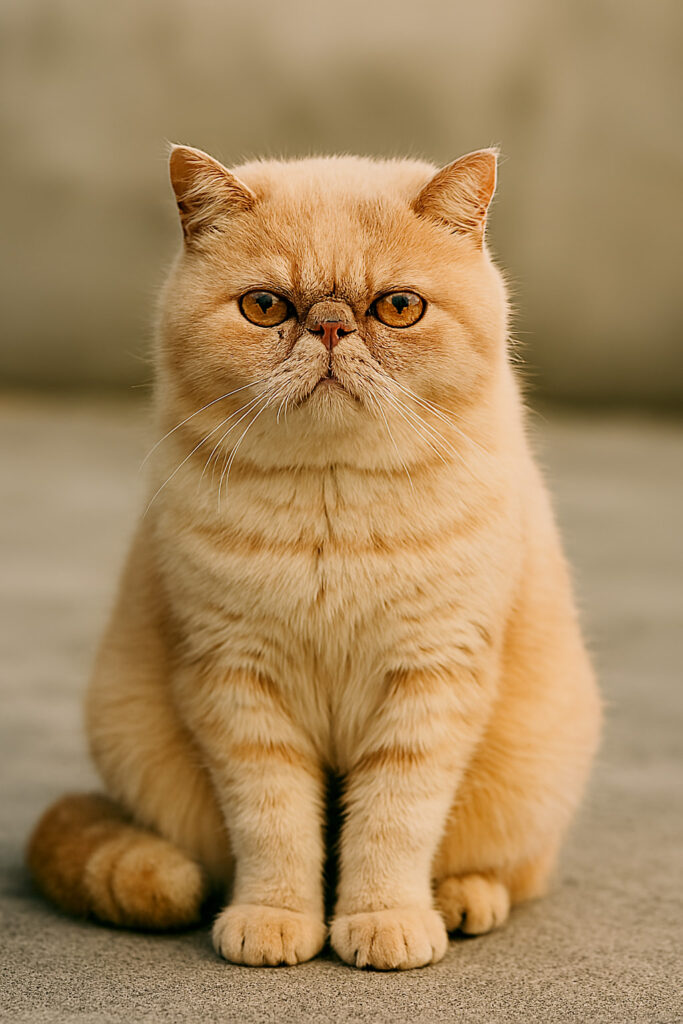
- Size & weight: Medium-sized cats, typically 8–15 lbs (3.5–7 kg).
- Personality: Laid-back, affectionate
- Noise Level: Low
- Activity Level: Low
- Why it fits small apartments: Exotic Shorthairs enjoy lounging and do not require much space or activity. Their relaxed personality makes them well suited for small apartments.
- Downsides: Flat facial features may cause breathing issues and require extra care.
6. Sphynx
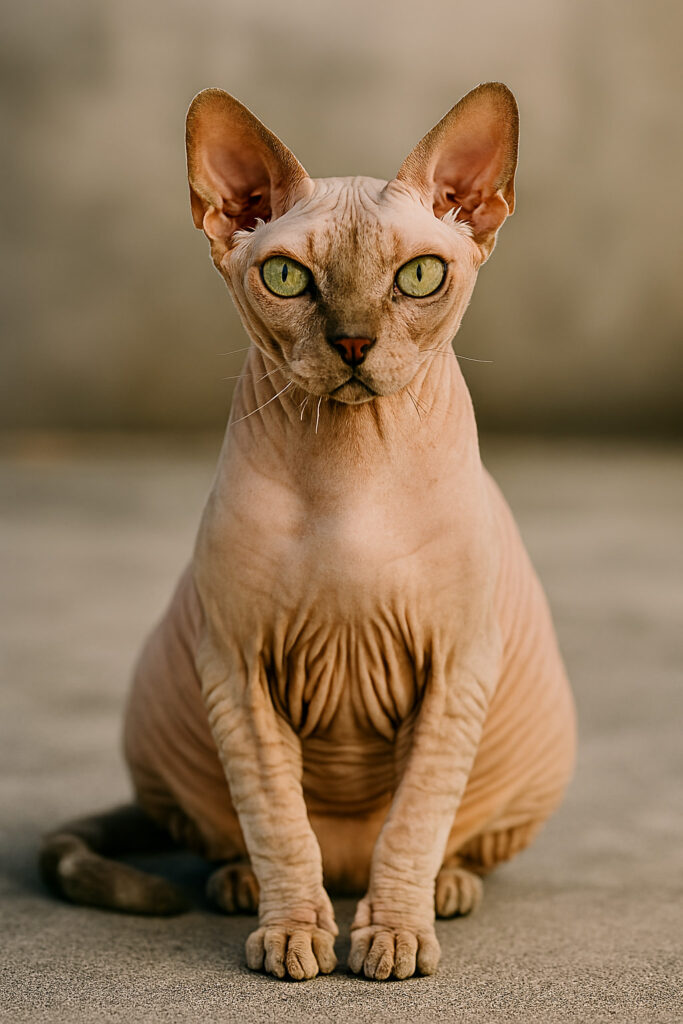
- Size & weight: Medium build, usually 6–12 lbs (2.7–5.5 kg).
- Personality: Social, affectionate, attention-seeking
- Noise Level: Moderate
- Activity Level: Moderate
- Why it fits small apartments: Sphynx cats love human interaction and adapt well to indoor life. They don’t need much space but do need warmth, companionship, and mental stimulation, all of which are manageable in apartments.
- Downsides: Requires frequent skin care and does not tolerate being alone for long periods.
7. American Shorthair
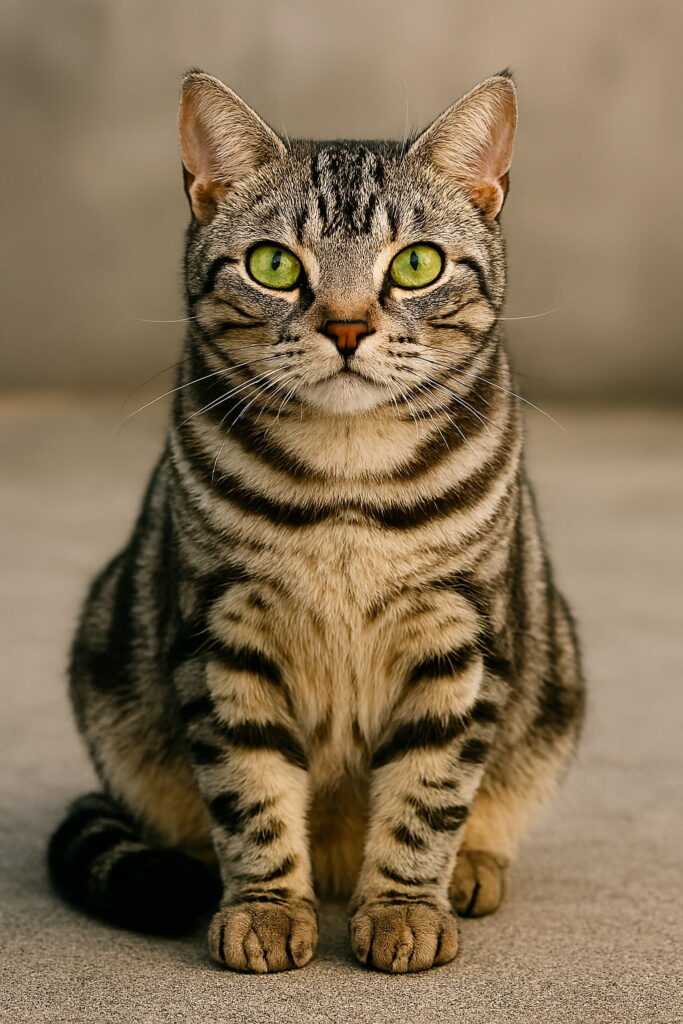
- Size & weight: Medium to large, around 10–15 lbs (4.5–7 kg).
- Personality: Friendly, adaptable
- Noise Level: Moderate
- Activity Level: Moderate
- Why it fits small apartments: This breed can adapt to apartment living if provided with toys and regular playtime. They balance independence and playfulness well.
- Downsides: May become bored without enrichment in smaller spaces.
8. Persian
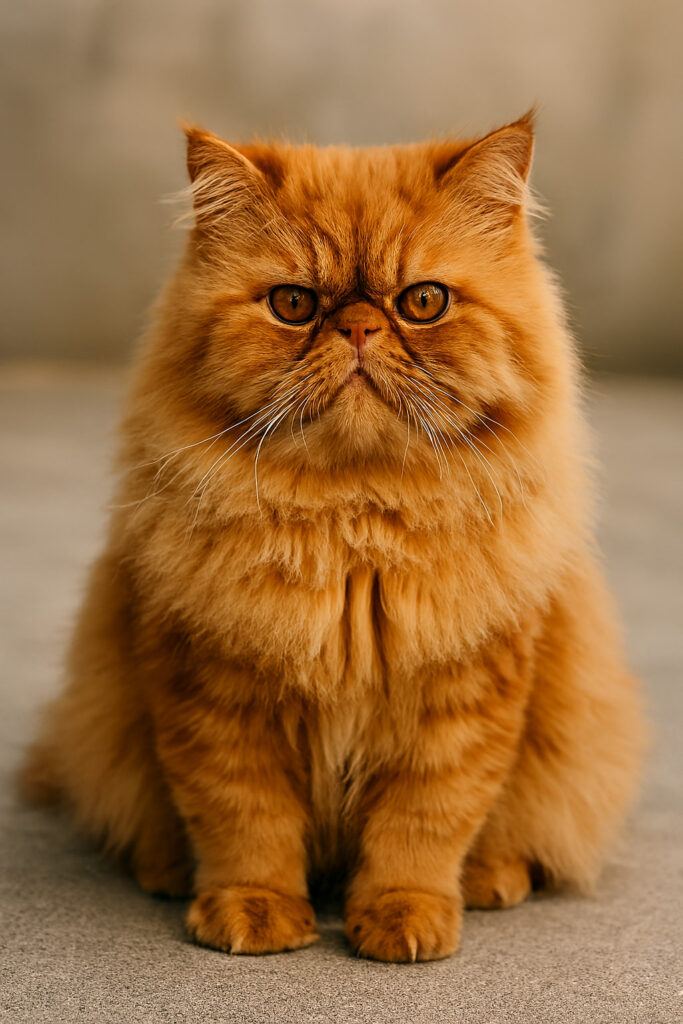
- Size & weight: Medium to large, 7–12 lbs (3–5.5 kg).
- Personality: Quiet, gentle
- Noise Level: Very low
- Activity Level: Very low
- Why it fits small apartments: Persians prefer calm, low-activity environments and are happy living indoors with minimal movement.
- Downsides: High grooming needs and increased risk of health problems.
9. Burmese
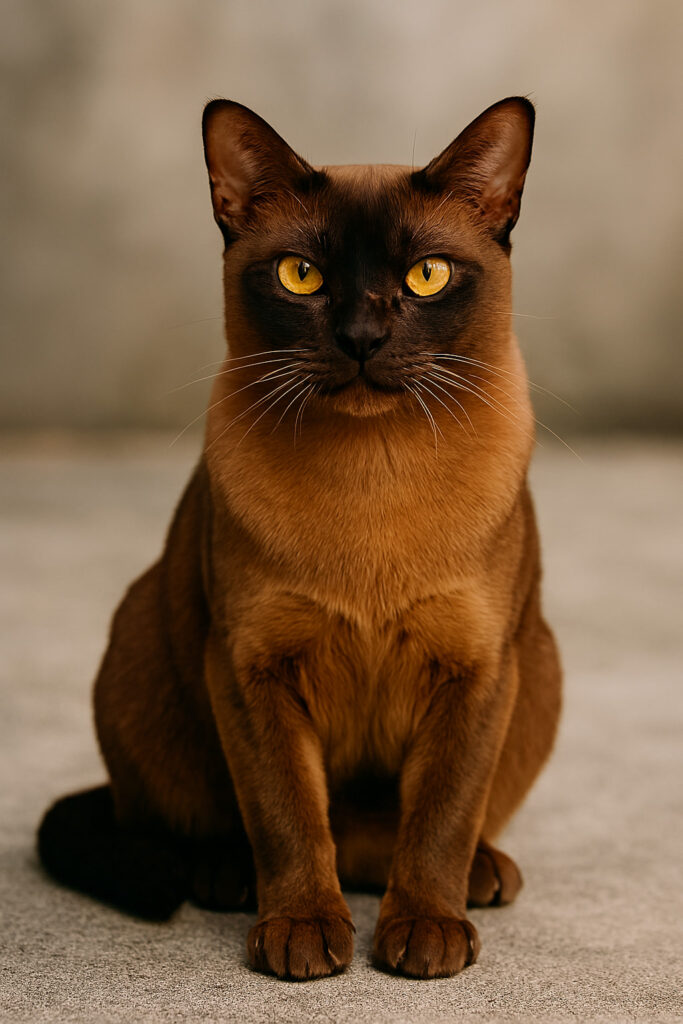
- Size & weight: Medium-sized but very muscular. Typically, 8–14 lbs (3.5–6.5 kg), with males being heavier than females.
- Personality: Affectionate, curious, social
- Noise Level: Moderate
- Activity Level: Moderate to high
- Why it fits small apartments (with effort): Burmese cats enjoy indoor living and human interaction, but they need daily play to stay happy in small spaces.
- Downsides: Can become vocal or restless if understimulated.
10. Siamese
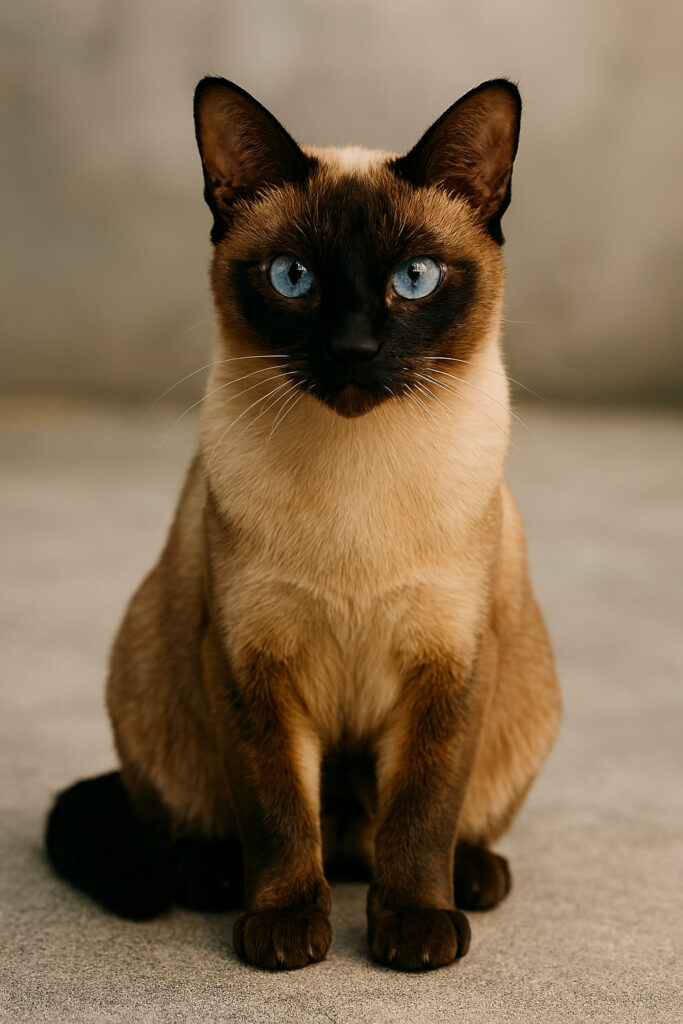
- Size & weight: Medium-sized, slender build. Usually 8–12 lbs (3.5–5.5 kg).
- Personality: Intelligent, very social
- Noise Level: High
- Activity Level: High
- Why it is less suitable for small apartments: Siamese cats are extremely vocal and energetic. While they can live in apartments, their noise level and need for attention may cause challenges.
- Downsides: Not ideal for quiet apartment buildings or owners who are away often.
11. Bengal
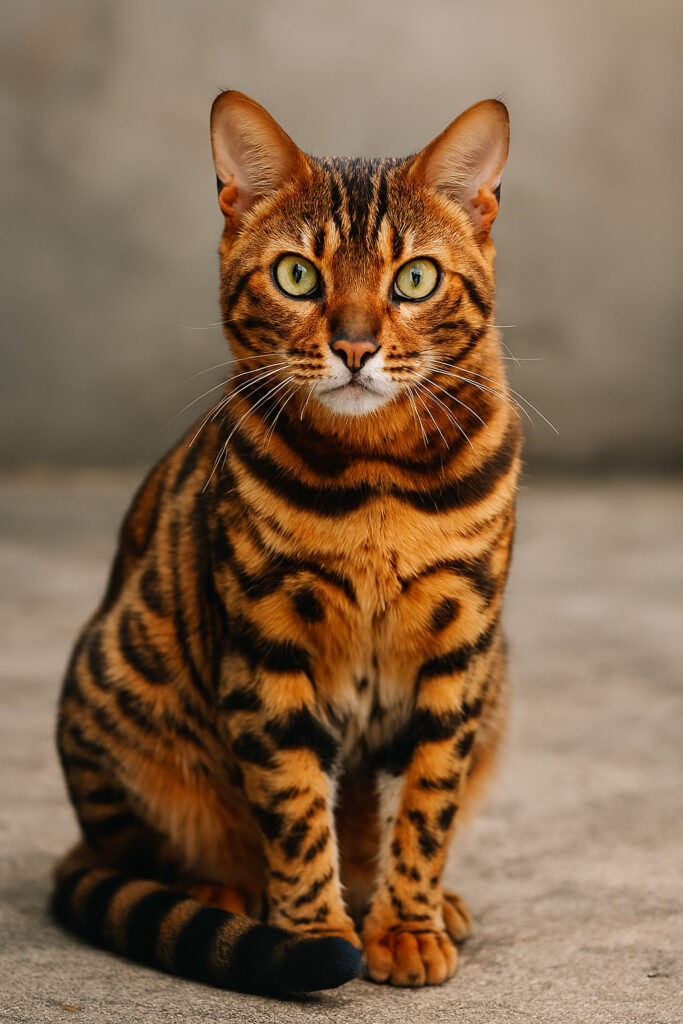
- Size & weight: Medium to large cats. Typically 8–15 lbs (3.5–7 kg).
- Personality: Energetic, athletic, curious
- Noise Level: Moderate
- Activity Level: Very high
- Why it is least suitable for small apartments: Bengals need space, climbing opportunities, and constant stimulation. Small apartments often fail to meet their needs.
- Downsides: High energy can lead to stress or destructive behavior in limited spaces.
Mixed Breed & Shelter Cats
When looking for the best cat breeds for small apartments, many people immediately think of purebred cats. However, mixed-breed and shelter cats can often be some of the most ideal apartment companions, and they offer benefits that others rarely mention.
- Why mixed cats can be great apartment pets?
Mixed-breed cats often have balanced personalities because they are not bred for extreme traits. Unlike some purebred cats, they tend to be more adaptable, resilient, and comfortable with indoor living.
Another advantage is that mixed-breed cats often require less specialized care. They are usually healthier and less prone to genetic conditions than some purebred cats, making them lower maintenance in small living spaces.
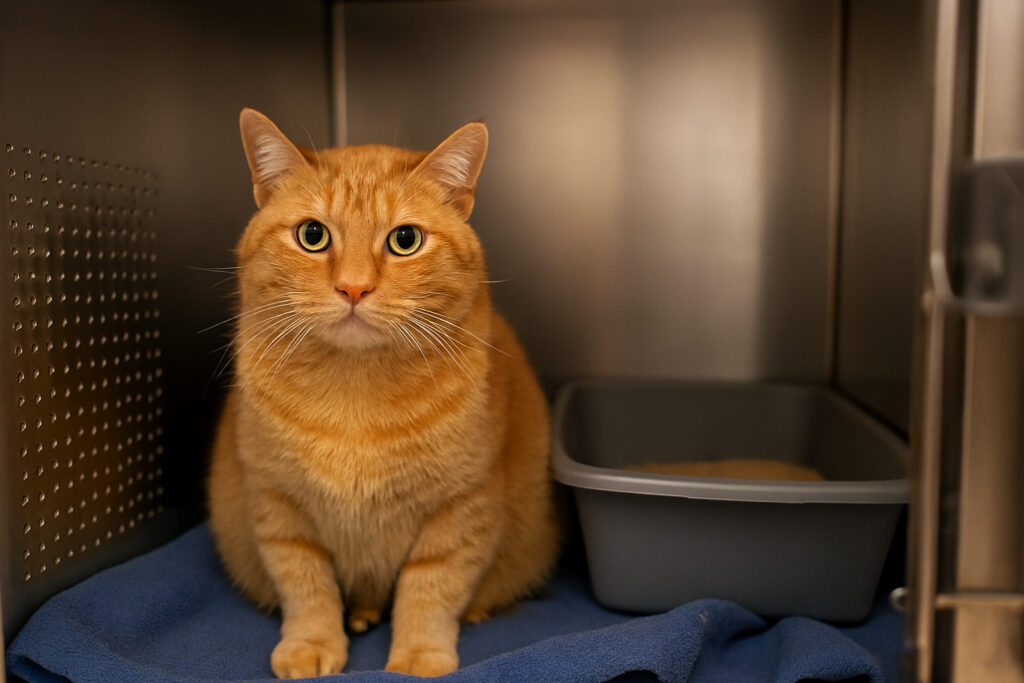
- Why shelter cats are a good choice for small apartment owners ?
Many adult cats in shelters already have well-established temperaments, so you can see whether they are calm, playful, or affectionate, a huge advantage when selecting a cat for a small apartment.
Shelter staff can guide you to cats that:
- Enjoy quiet, relaxed environments
- Handle being alone during work hours
- Get along with other pets or children
- Adapt well to indoor-only living
Adopting a shelter cat provides flexibility and compassion. You may find a calm, apartment-friendly adult cat that perfectly matches your lifestyle, even if it isn’t a well-known “apartment breed.” This approach often leads to long-term happiness for both owner and cat, sometimes more reliably than chasing expensive purebred cats.
Breeds That May Be Less Ideal for Small Spaces
While many cats adapt well to apartments, some breeds naturally struggle due to high energy, loud vocalizations, or constant need for stimulation. Recognizing these traits can save you stress and help ensure a happy home for both you and your cat.
- High-energy breeds
- Cats with very high activity levels often require large spaces and daily engagement. Without it, they may:
- Climb on furniture aggressively
- Scratch walls or carpets
- Vocalize frequently out of boredom
High-energy cats are typically curious, playful, and intelligent. While these traits are wonderful in a home with ample space, they can be challenging in apartments. Owners must be prepared to provide regular interactive play, mental enrichment, and vertical spaces like cat trees and shelves to keep them happy.
Why apartment size alone isn’t the only factor?
It’s not just the apartment’s square footage that matters. Even medium-sized apartments can feel too restrictive for highly active cats if they cannot express their natural behaviors. Climbing, hunting instincts, and interactive play are vital for some breeds, and small spaces can unintentionally frustrate them.
High-energy cats thrive in environments that allow them to:
- Run freely across rooms
- Explore vertical spaces
- Engage in problem-solving play
- Interact frequently with owners
Examples of breeds that may struggle in apartments
- Abyssinian: Extremely active, loves to climb and explore
- Oriental Shorthair: Social, vocal, and needs constant stimulation
- Turkish Van: High energy and loves water and play
- Savannah (hybrid cats): Very active, intelligent, and may require outdoor space
Which Cat Is Right for Your Apartment? Checklist
Choosing the best cat breeds for small apartments isn’t just about breed names, it’s about finding the right personality, energy, and lifestyle fit. Use this checklist to make sure your new feline friend will thrive in your space.
- Consider Your Space
- Measure your apartment and think about vertical space (shelves, cat trees).
- Cats that enjoy climbing or running need more vertical options even in small areas.
- Evaluate Energy Levels
- Low- to moderate-energy cats are usually ideal for small apartments.
- High-energy breeds may need additional playtime, toys, and mental stimulation.
- Assess Attention Availability
- How much time can you spend with your cat daily?
- Some cats are independent and fine alone, while others crave constant interaction.
- Grooming & Maintenance
- Short-haired cats are easier to care for and shed less, keeping apartments cleaner.
- Long-haired cats or certain breeds require regular brushing, which takes time and space.
- Noise Tolerance
- Consider your neighbors.
- Quiet, calm cats are generally better for apartments, while vocal breeds might cause disturbances.
- Personality Fit
- Do you want a social, cuddly cat or a more independent companion?
- Mixed-breed and adult shelter cats can sometimes offer the perfect temperament for apartment life.
- Lifestyle Match
- Match the cat’s activity and care needs to your daily routine.
- Busy owners may prefer calmer cats that can entertain themselves indoors.
FAQ: Best Cat Breeds for Small Apartments
- What are the best cat breeds for small apartments?
The best cat breeds for small apartments are typically calm, low- to moderate-energy cats that adapt well to indoor living. Examples include British Shorthair, Ragdoll, Scottish Fold, Russian Blue, Exotic Shorthair, and Sphynx. These breeds thrive in confined spaces without becoming stressed or overly vocal.
- Can mixed-breed cats be good for apartment living?
Absolutely! Many mixed-breed or shelter cats are excellent choices for apartment life. The best cat breeds for small apartments aren’t always purebred; temperament, energy, and adaptability matter more than pedigree. A calm, social adult cat from a shelter can sometimes be even better suited for a small space than a purebred cat.
- Which cats are not ideal for small apartments?
Cats with high energy, constant curiosity, or excessive vocalization may struggle in apartments. Breeds like Abyssinian, Oriental Shorthair, and Turkish Van require lots of stimulation and space to climb and explore. Avoiding these cats can help you maintain a peaceful apartment environment.
- How much space does a cat need in an apartment?
Even the best cat breeds for small apartments need vertical space, toys, and scratching areas. While some cats are content lounging most of the day, providing shelves, cat trees, or window perches helps satisfy their natural instincts and prevents boredom.
- Do apartment-friendly cats require a lot of attention?
It depends on the breed. The best cat breeds for small apartments often have moderate energy and can entertain themselves when left alone for a few hours. However, social breeds like Ragdolls, Sphynx, and Burmese thrive on human interaction and may need more attention.
- Are short-haired cats better for apartments?
Short-haired cats are usually easier to maintain in apartments because they shed less and require less grooming. Many of the best cat breeds for small apartments, like Russian Blue, British Shorthair, and American Shorthair, have short coats that are perfect for indoor living.
- Can I adopt a kitten or is an adult cat better for apartments?
Both can work, but adult cats often have a known temperament, making it easier to choose the best cat breeds for small apartments. Adult cats from shelters or rescues may already be calm, apartment-ready, and litter-trained, reducing surprises in a small living space.
- Are there high-maintenance apartment-friendly breeds?
Yes. Some of the best cat breeds for small apartments, such as Exotic Shorthairs and Persians, require regular grooming and care despite being calm and low-energy. Budgeting for grooming and health maintenance is important when choosing these breeds for apartment living.
- How do I know which breed fits my apartment lifestyle?
Consider your space, energy level, and daily availability. The best cat breeds for small apartments are usually those that match your routine, calm cats if you work long hours, social cats if you’re home often. Visiting breeders or shelters and observing behavior is the best way to choose.
Conclusion
Finding the best cat breeds for small apartments is about more than just picking a breed name, it’s about matching your lifestyle, space, and daily routine to your cat’s personality and needs. Calm, adaptable breeds like British Shorthair, Ragdoll, Scottish Fold, and Russian Blue thrive in small spaces, while mixed-breed or shelter cats often surprise owners with their perfect apartment-ready temperaments.
When choosing your new feline companion, consider energy levels, attention requirements, grooming needs, and noise tolerance. Providing vertical space, interactive toys, and a comfortable resting area will help even active cats adjust to apartment life.
Ultimately, whether you choose a purebred, mixed-breed, or adult shelter cat, the right match will ensure a happy, harmonious home for both you and your cat. By understanding which cats naturally suit small living spaces, you’ll be able to make an informed choice and enjoy the best cat breeds for small apartments for years to come.