If you’re thinking about bringing a parrot into your home, choosing the right species is the most important decision you’ll make. Some parrots are gentle, quiet, beginner-friendly, and easy to care for—while others require advanced experience, large aviaries, and constant attention.
This guide breaks down the best parrots for pets, the easiest species to care for, their personality traits, talking ability, cost, and care needs. We’ll also cover parrot rescues, buying vs. adopting, and which parrots are the most social and family-friendly.
🦜Why Choosing the Right Parrot Matters
Parrots can live 10–80+ years depending on the species. Their intelligence and emotional needs make them more like toddlers than simple pets. That’s why starting with the right species is essential for new owners.
The parrots below are chosen based on:
- Ease of care
- Beginner-friendly temperament
- Moderate noise level
- Simple diet
- Manageable cage requirements
- Talking ability
- Cost and availability
- Compatibility with families and apartments
Let’s look at the best parrots for pets when you want a species that’s easy to care for.
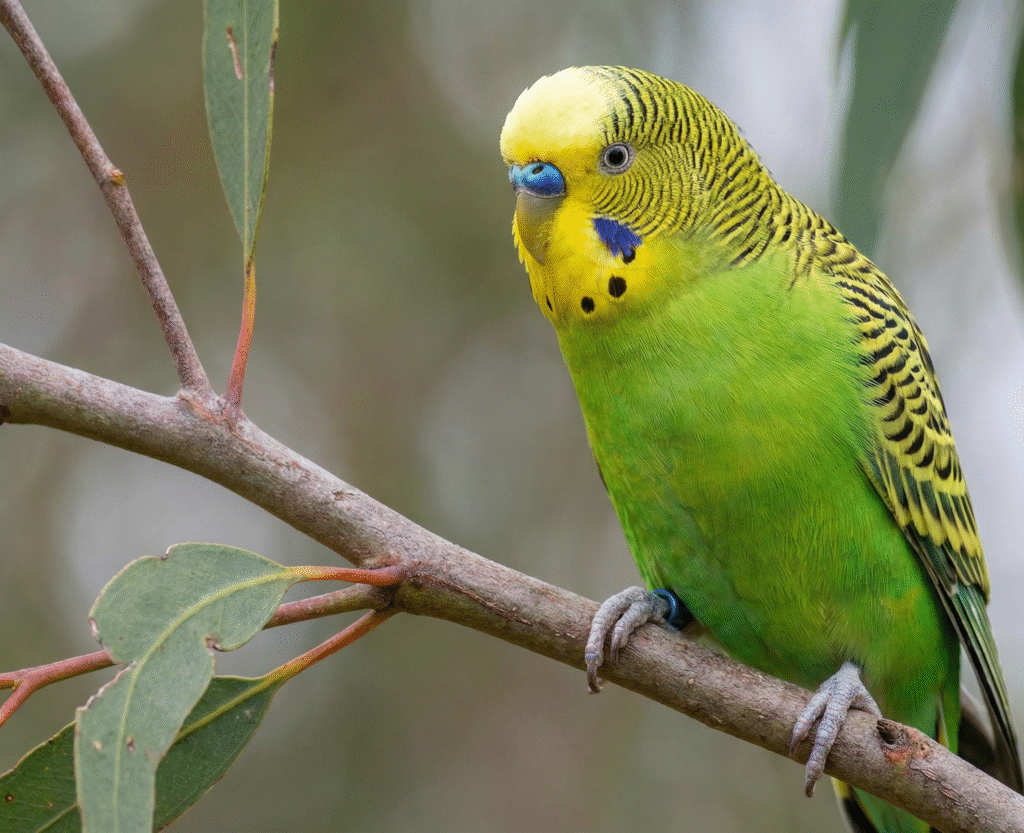
1.Budgerigar (Budgie or Parakeet)
- Difficulty Level: 1/5 (Easiest)
- Talking Ability: Excellent
- Life Span: 10–15 years
- Average Cost: Low
- Why They’re Great: Friendly, small, easy to tame, great talkers
Budgies are considered the best parrots for pets for beginners. They are playful, social, easy to train, and require less space than larger parrots.
Why Budgies Are Beginner-Friendly:
- Very low noise compared to other parrots
- Simple diet (pellets + veggies + seeds)
- Easy to tame and bond with
- Small cage requirement
- Great for apartments
They are also one of the best speaking parrots, with some budgies learning 100+ words.
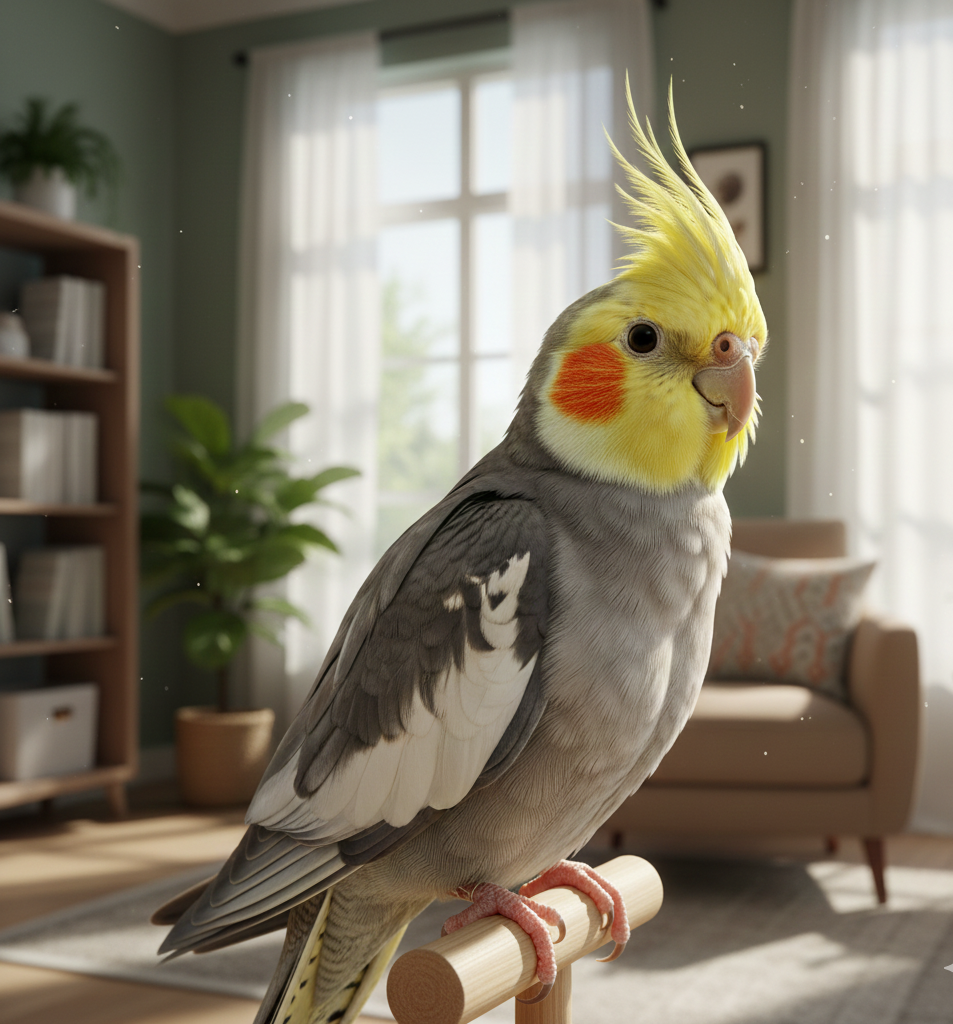
2. CockatieCockatiel
- Difficulty Level: 1/5
- Talking Ability: Moderate (they whistle more than they talk)
- Life Span: 15–20 years
- Average Cost: Low to medium
- Why They’re Great: Sweet personality, gentle with kids, not overly loud
Cockatiels are calm, affectionate birds known for their adorable crests and curious nature. They’re much easier to care for than larger parrots like macaws or amazons.
Why Cockatiels Are Perfect for Beginners:
- Quiet whistlers—not screamers
- They enjoy human interaction but don’t demand constant attention
- Easy to hand-tame
- Very gentle and rarely bite
- Affordable and easy to find for adoption
Cockatiels are one of the best parrots for pets if you want a loving, low-maintenance companion.
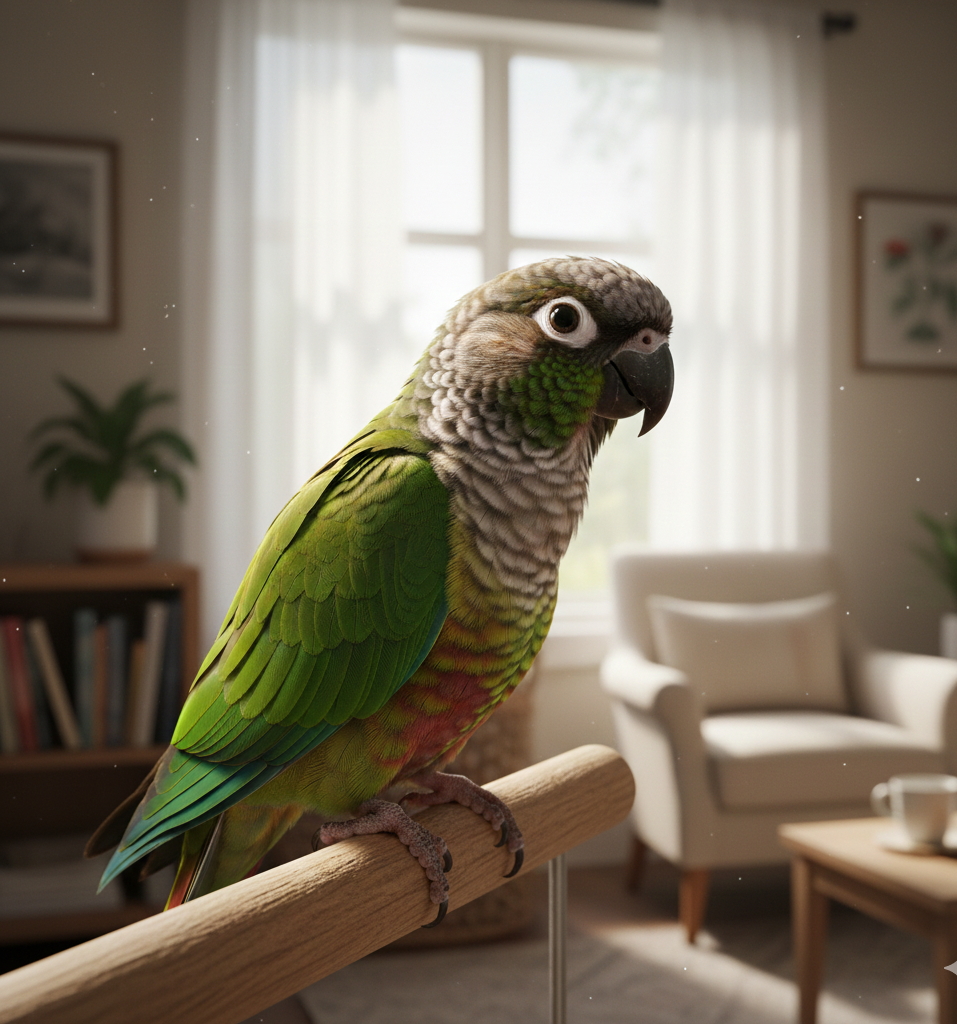
3.Green-Cheek Conure
Difficulty Level: 2/5
Talking Ability: Low to moderate
Life Span: 20–30 years
Average Cost: Medium
Why They’re Great: Cuddly, playful, smart, and quieter than larger conures
Green-cheek conures are small parrots with big personalities. They love sitting on shoulders, taking naps inside hoodies, and doing silly acrobatics.
Why They’re Beginner-Friendly:
- Less noisy than sun conures or cockatoos
- Small size = easier cage setup
- Highly trainable and affectionate
- Bond very deeply with their owners
These parrots need daily playtime but are still manageable for first-time owners who want a more interactive bird.
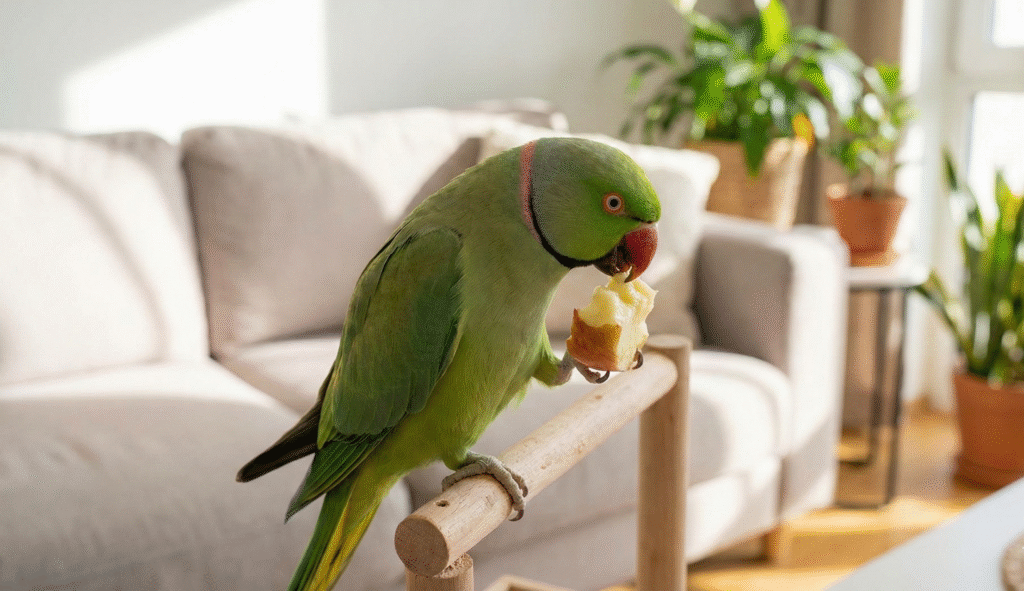
4. Indian Ringneck Parakeet
Difficulty Level: 2/5
Talking Ability: Excellent
Life Span: 25–30 years
Average Cost: Medium
Why They’re Great: Beautiful, intelligent, amazing talkers
Indian ringnecks are famous for being incredibly smart with clear speech. They can learn phrases, sing songs, and mimic sounds extremely well.
They are great for beginners who are willing to handle them daily, as they can become nippy without enough socialization.
Why They’re Good “Medium-Level” Beginner Birds:
- Strong talking ability
- Not too loud
- Gorgeous colors
- Adapt well to indoor homes
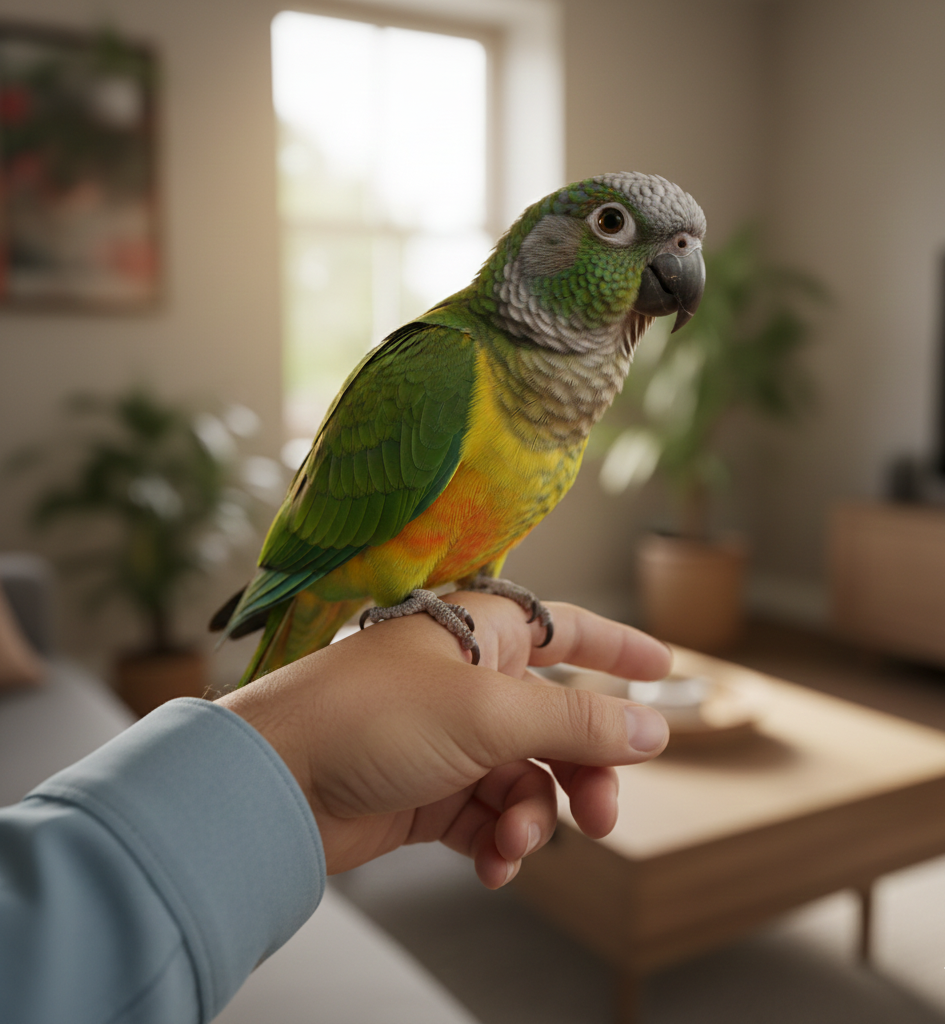
5. Senegal Parrot
Difficulty Level: 2/5
Talking Ability: Moderate
Life Span: 30+ years
Average Cost: Medium-high
Why They’re Great: Quiet, calm, loyal, and suitable for apartments
Senegal parrots are one of the best parrots as pets if you want a peaceful, quiet companion. They bond strongly with their favorite human and enjoy gentle interaction without overwhelming energy.
Why Beginners Love Them:
- Very quiet—great for noise-sensitive homes
- Easy diet and low grooming needs
- Strong but gentle bond
- Not destructive like larger parrots
Best Speaking Parrots for Beginners
If talking ability matters to you, here are great beginner-friendly talkers:
- Budgie (best small talking parrot)
- Indian Ringneck (clear voice)
- Quaker Parrot (funny, social talkers)
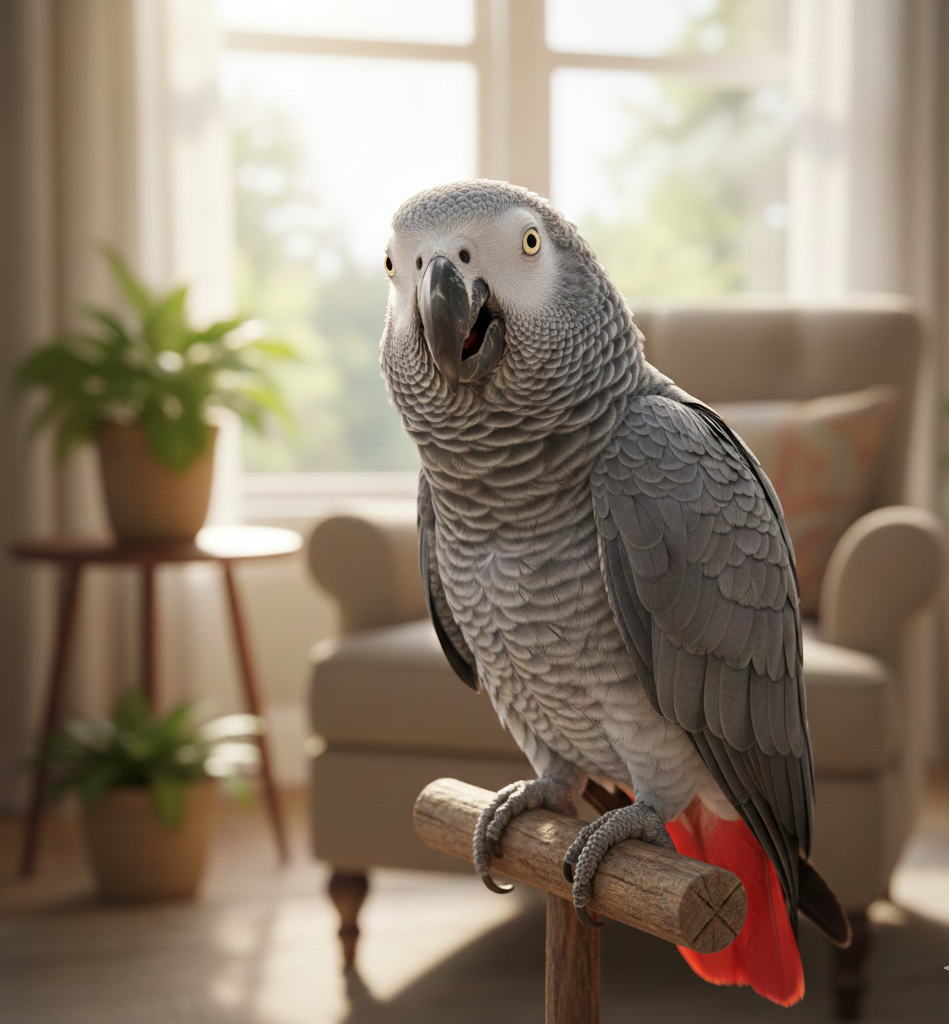
- African Grey (amazing, but NOT for beginners—they need advanced care)
Parrots for Sale vs. Parrot Rescue
Many new owners search for parrots for sale, but adopting from a parrot rescue is often a better, more ethical choice.
- Buying from a breeder:
- Pros:
- Young birds easier to tame
- Predictable health background
- More species options
- Cons:
- More expensive
- Encourage breeding demand
- Pros:
- Adopting from a rescue:
- Pros:
- More affordable
- Give a bird a second chance
- Staff match you with the right species
- Many rescues have cockatiels, budgies, and conures
- Cons:
- Some birds need extra patience
- Limited species availability
- Pros:
If you’re new to parrots, rescues often recommend budgies, cockatiels, or conures because they’re truly the best parrots for pets for beginners.
My Personal Experience With a Beginner-Friendly Parrot
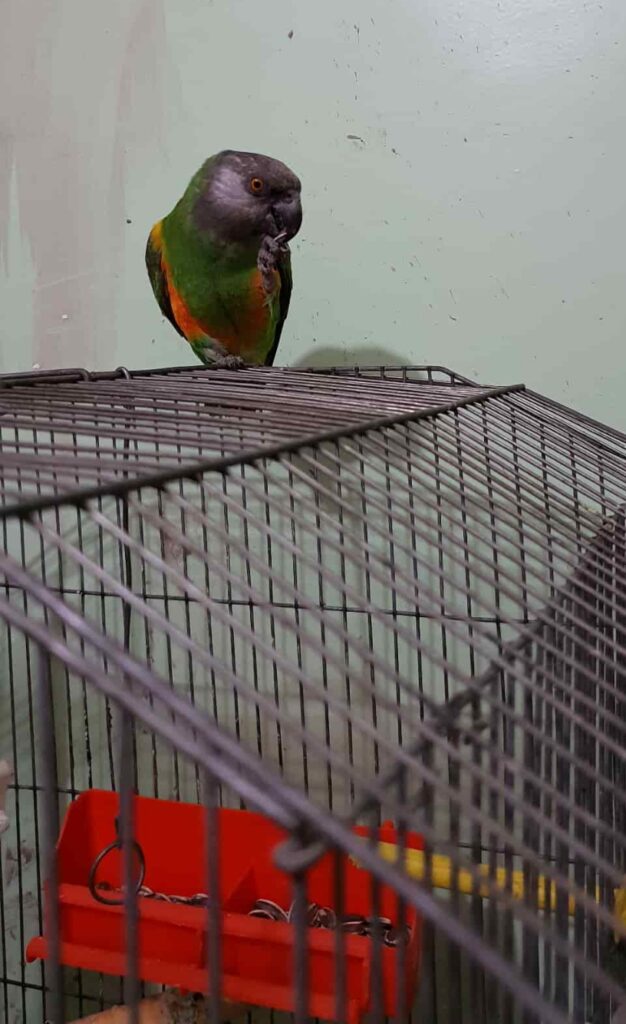
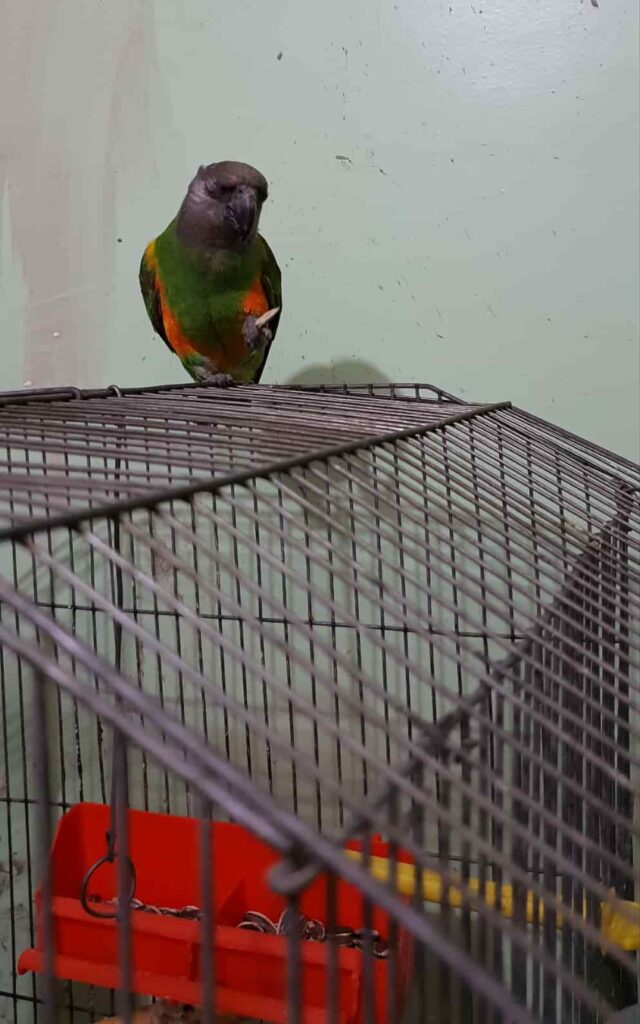
I personally rescued a Senegal parrot from an abusive home, and the transformation I witnessed was unforgettable. When I first brought it in, it was shy, cautious, and unsure of people. But with patience, gentle handling, and a calm environment, it slowly began to trust again.
Over time, that same frightened bird became:
- playful
- curious
- talkative
- and surprisingly affectionate
It used to sing around the house, explore everything, and even show a little grumpy attitude but in the cutest, most charming way possible. Watching a scared bird become confident and joyful is one of the most rewarding experiences a parrot owner can have.
This rescue experience is also the reason I strongly believe Senegal parrots are one of the best parrots for pets, especially for beginners who can offer steady love and patience.
If you’re curious about other small exotic pets, check out our guide on Can You Keep an isopod as a Pet
to learn more about unique and fascinating animal companions.
Q&As
What is the best parrot for beginners?
Most owners and experts agree that budgies and cockatiels are the best parrots for beginners. They’re gentle, easy to tame, quiet, and have simple care needs compared to larger species.
Are Senegal parrots good for beginners?
Yes — Senegal parrots are underrated beginner-friendly parrots. They’re quiet, affectionate, and intelligent. They bond deeply with their owners and aren’t as loud or demanding as larger parrots.
What is the easiest parrot to care for at home?
Budgies are widely considered the easiest because they require less space, have simple diets, and adapt well to households. Cockatiels are a close second due to their calm, friendly nature.
What parrot talks the most for beginners?
If you want a talkative beginner bird, budgies and African greys are known for great talking ability.
However, African greys are not recommended for beginners due to their emotional sensitivity.
For beginners, budgies and some green-cheek conures are a great balance between talking ability and manageability.
How much space do beginner parrots need?
Even small parrots need a spacious cage. A good starting size is:
- Budgie: 18×18×24 inches
- Cockatiel: 20×20×24 inches
- Green-cheek conure: 24×24×30 inches
- Senegal parrot: 24×22×24 inches
More space is always better.
What is the best parrot for kids?
Cockatiels and budgies are the most recommended for families with children because they’re gentle, patient, and not overly loud.
Conclusion
Choosing the right parrot can make all the difference for first-time bird owners. From my personal experience rescuing a Senegal parrot to what seasoned owners say online, it’s clear that some species are far easier to care for at home than others.
Budgies, cockatiels, green-cheek conures, and Senegal parrots consistently stand out as the best parrots for pets. They are affectionate, intelligent, and adaptable, making them ideal for beginners or anyone seeking a loyal feathered companion. While every parrot needs attention, proper training, and a healthy environment, these species offer the perfect balance of personality, manageability, and fun.
Whether you decide to adopt from a rescue or buy from a reputable breeder, starting with a beginner-friendly parrot ensures a happier, healthier relationship for both you and your new feathered friend.
In short: with the right choice, patience, and care, welcoming a parrot into your home can be one of the most rewarding experiences you’ll ever have.