Learn everything about the Belgian Sheepdog Malinois! From training and care to temperament and puppy tips, discover how to raise a happy, healthy, and loyal Malinois.
Meet the Belgian Sheepdog Malinois!
The Belgian Sheepdog Malinois is a remarkable and highly intelligent breed that has captured the hearts of dog lovers around the world. Originally from Belgium, the Malinois was bred to help shepherds manage their flocks. Over time, its incredible work ethic, agility, and sharp mind made it a favorite for police, military, and protection work, and now it’s also a beloved companion for active families and experienced dog owners.
Veterinarians and trainers alike often praise the Belgian Sheepdog Malinois for its loyalty, energy, and trainability. This breed thrives when given a job to do, whether that’s obedience training, agility exercises, or simply being an engaged family member. People are drawn to Malinois because they offer a rare mix of intelligence, affection, and protective instincts—making them as rewarding to raise as they are challenging.
If you’re considering bringing a Belgian Sheepdog Malinois into your home, it’s important to understand their unique needs for exercise, mental stimulation, and socialization. In this guide, we’ll cover everything you need to know to raise a happy, healthy, and well-adjusted Malinois.
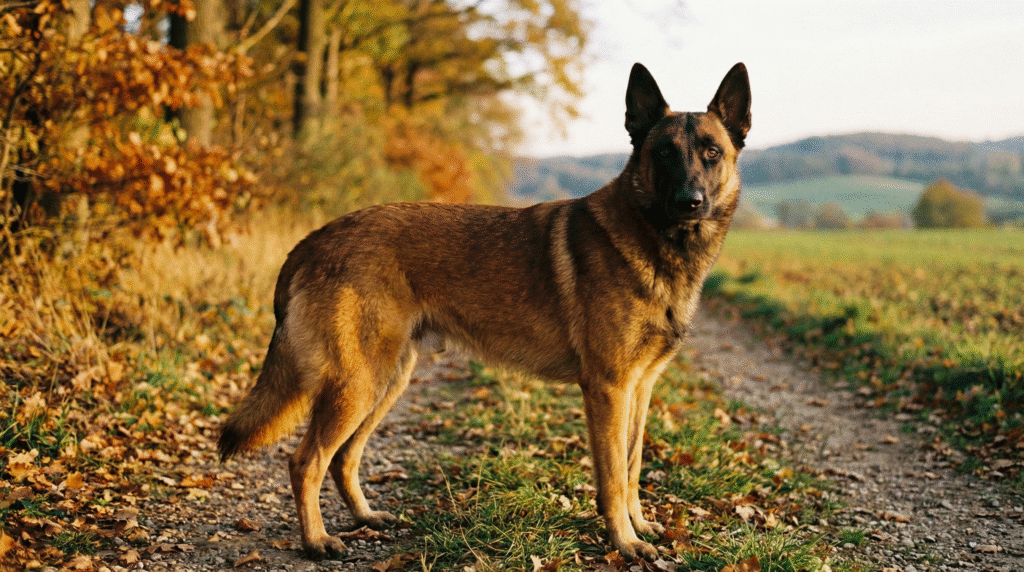
Belgian Sheepdog Malinois Temperament
Understanding the temperament of a Belgian Sheepdog Malinois is key to raising a happy and well-behaved dog. This breed is known for its high intelligence, alertness, and strong work drive, which makes it one of the most versatile dogs in the world.
Personality Traits
Belgian Sheepdog Malinois are naturally energetic, confident, and loyal. They have a strong sense of purpose and thrive when given mental and physical challenges. While they are affectionate and form deep bonds with their families, they can be reserved with strangers. This combination of intelligence, loyalty, and vigilance makes them excellent companions for owners who can provide consistent training and stimulation.
Suitability for Families vs Work (Police/Military)
- Family Life: Malinois can be loving family pets, but they are best suited to active households. They enjoy playing, learning new commands, and spending time outdoors. Children can be great companions for Malinois, but they require supervision to ensure safe and gentle interactions.
- Work Roles: Their natural drive, focus, and agility make them outstanding police, military, and protection dogs. They excel in tasks like obedience, agility, tracking, and guarding, which is why many professional trainers favor this breed for service work.
Socialization Tips
Proper socialization is critical for a Belgian Sheepdog Malinois to grow into a confident, balanced adult dog. Begin socialization from a young age:
- Introduce your puppy to different people, animals, and environments.
- Encourage positive experiences during walks, playtime, and training sessions.
- Use reward-based training to reinforce good behavior and reduce anxiety.
Socialization ensures your Malinois develops into a dog that is friendly, confident, and adaptable, whether at home, in the park, or in more demanding work situations.
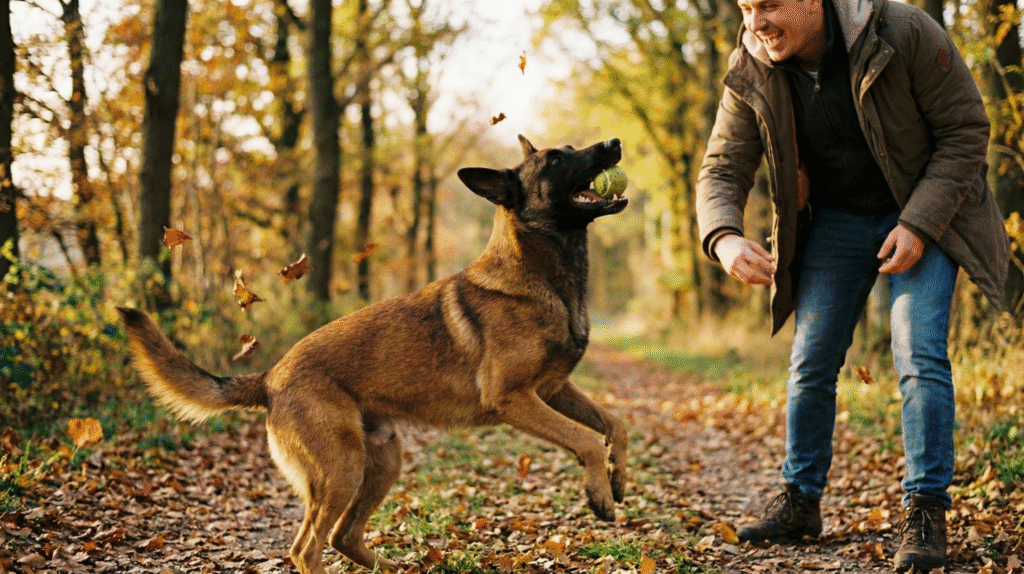
Training Your Belgian Sheepdog Malinois
Training a Belgian Sheepdog Malinois is one of the most rewarding parts of owning this intelligent and energetic breed. Because Malinois are quick learners with a strong work drive, they need consistent, positive training from an early age. When guided well, they become incredibly loyal, responsive, and well-behaved companions.
Puppy Training Basics
Belgian Sheepdog Malinois puppies are naturally curious, energetic, and eager to please—which makes early training essential. Start with simple, short training sessions every day to build good habits:
- Begin with foundation commands such as “sit,” “stay,” “come,” and “leave it.”
- Use reward-based training (treats, praise, play). Malinois respond far better to positive reinforcement than harsh corrections.
- Teach crate training early to help with housebreaking and providing a safe place to rest.
- Keep training sessions fun and light-hearted. Malinois puppies have short attention spans, so several 5–10 minute sessions work better than one long one.
- Early training helps shape your puppy into a confident, well-mannered adult Malinois who understands boundaries and routines.
Obedience Training for Adult Dogs
Adult Belgian Malinois thrive when given structured obedience training. Their intelligence and energy can lead to misbehavior if they aren’t challenged mentally or physically, which is why consistent training is essential.
- Helpful areas to focus on include:
- Advanced commands such as “heel,” “place,” and long-duration “stay.”
- Recall training, which is especially important for such a fast and powerful breed.
- Impulse control exercises, like waiting calmly before meals, greeting people politely, or walking nicely on a leash.
- Agility or obedience classes, which provide both structure and socialization.
- Adult Malinois love having a “job,” and structured training gives them purpose while strengthening your bond.
Mental Stimulation and Exercise
For a Belgian Sheepdog Malinois, mental exercise is just as important as physical exercise. Without it, boredom can quickly lead to chewing, digging, barking, or anxiety.
- Great ways to stimulate your Malinois include:
- Puzzle feeders and treat-dispensing toys
- Scent games, like hiding treats around the house or yard
- Agility training, jumping exercises, and obstacle courses
- Interactive play, such as fetch, tug-of-war, or frisbee
- Short training sessions throughout the day to keep their mind active
Aim for at least 1–2 hours of exercise daily, combining physical and mental activities. A tired Malinois is a happy Malinois—and a well-behaved one, too.
Care and Health of the Belgian Sheepdog Malinois
Caring for a Belgian Sheepdog Malinois means understanding their unique needs when it comes to nutrition, grooming, and long-term health. With the right care, this active and intelligent breed can stay healthy, strong, and happy for many years. Below, you’ll find essential vet-style advice to help you support your Malinois at every stage of life.
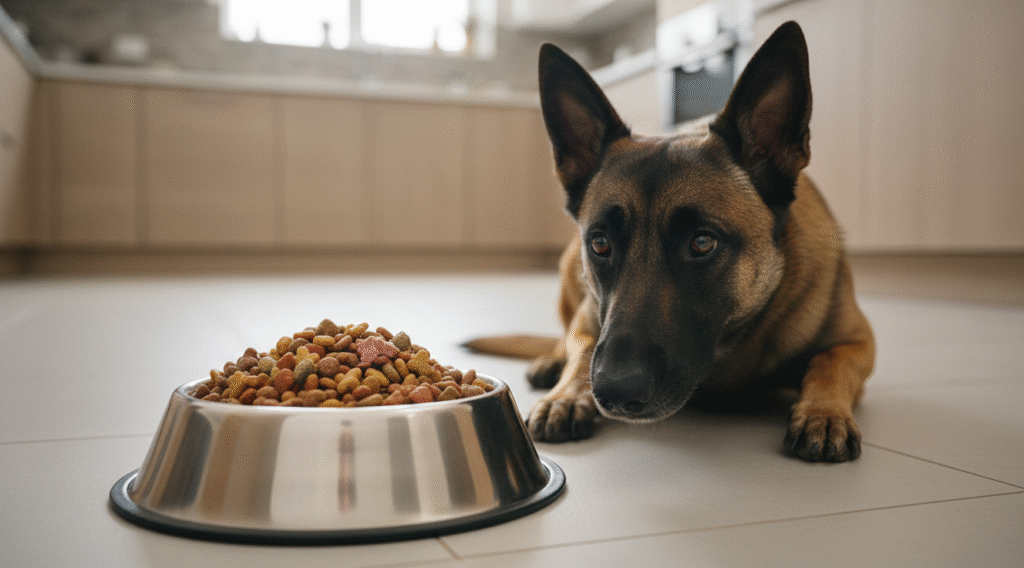
Nutrition and Feeding Guide
A balanced diet is the foundation of your Belgian Sheepdog Malinois’s health. Because this breed is extremely active, they need high-quality, nutrient-dense food that supports muscle development, joint health, and sustained energy.
Feeding tips for a healthy Malinois:
- Choose a high-protein diet (real meat as the first ingredient) to support lean muscle.
- Look for food formulas designed for active or working breeds.
- Puppies need meals divided into 3–4 feedings a day, while adults usually thrive on two meals daily.
- Include healthy fats (like omega-3s) to benefit skin, coat, and cognitive health.
- Avoid overfeeding—Malinois are athletic and lean; excess weight strains their joints.
- For dogs with sensitive stomachs, consider grain-free options only if recommended by a vet.
- Fresh water should always be available, especially after play or training sessions. If you’re unsure about portion sizes, ask your veterinarian to recommend feeding amounts based on your dog’s age, weight, and activity level.
Grooming Tips (Coat, Nails, Teeth)
The Belgian Sheepdog Malinois has a short, weather-resistant coat that’s relatively easy to maintain—but regular grooming keeps them comfortable and reduces shedding.
- Coat Care:
- Brush the coat once or twice a week to remove loose fur and dirt.
- Increase brushing during shedding seasons (spring and fall).
- Bathe only when necessary; too many baths can dry out their skin.
- Nail Care:
- Trim nails every 3–4 weeks, depending on activity level.
- Overgrown nails can cause discomfort or affect their gait.
- Dental Care:
- Brush teeth 2–3 times per week to prevent tartar buildup and gum issues.
- Dental chews and vet-approved toys can help maintain oral health.
- Regular grooming is also a great way to check for lumps, skin irritation, and parasites like fleas or ticks.
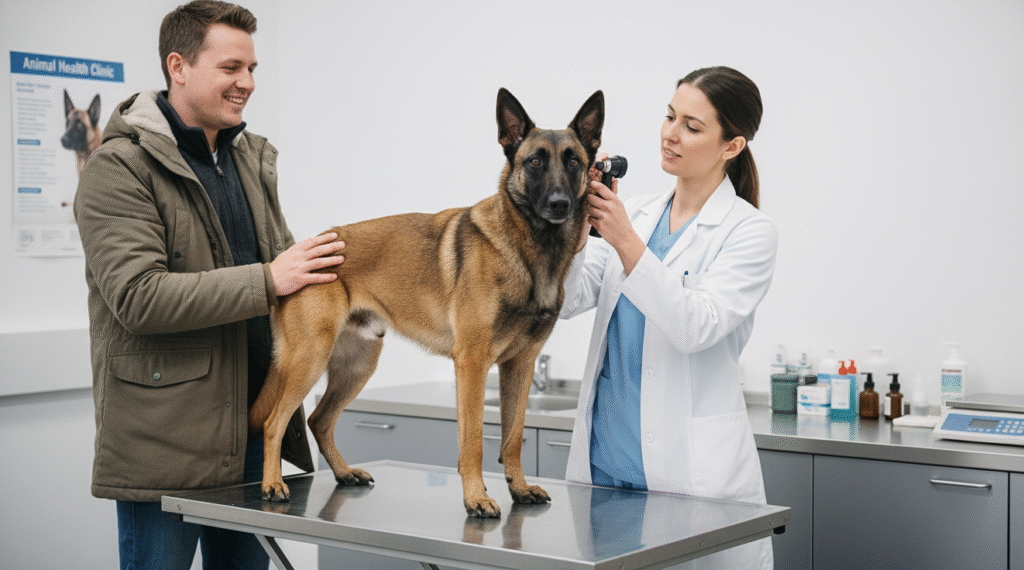
Common Health Problems in Detail
The Belgian Sheepdog Malinois is generally a healthy and robust breed, but like all dogs, they are prone to certain health conditions. Understanding these potential issues helps you detect symptoms early and seek timely veterinary care.
- Hip and Elbow Dysplasia
A hereditary joint condition where the hip or elbow joint develops abnormally. Symptoms may include stiffness, limping, or difficulty standing after rest. Maintaining a healthy weight and avoiding excessive jumping in puppies can help reduce the risk.
- Progressive Retinal Atrophy (PRA)
A degenerative eye disorder that can lead to vision loss over time. Early diagnosis is key—regular eye exams can help monitor changes before symptoms become severe.
- Allergies (Skin and Food)
Malinois can develop allergies to certain foods, environmental triggers, or flea bites. Watch for signs such as itching, licking paws, or skin redness. Your vet can help identify the cause and recommend dietary or environmental changes.
- Anesthesia Sensitivity
Some Malinois may react more strongly to anesthesia than other breeds. Always inform your veterinarian that your dog is a Belgian Malinois before surgeries or dental cleanings.
- Gastrointestinal Sensitivity
Due to their active nature, some Malinois may experience digestive issues or bloat. Feeding smaller, scheduled meals and avoiding exercise immediately after eating reduces the risk.
- Joint and Muscle Injuries
Because of their high energy and agility, Malinois are more prone to sprains or strains, especially during intense training. Regular warm-ups, controlled exercise, and proper rest are important.
Regular vet checkups, early screening tests, and maintaining a healthy lifestyle go a long way in preventing or managing these conditions.
Belgian Sheepdog Malinois Puppies
Bringing home a Belgian Sheepdog Malinois puppy is an exciting experience, but it also comes with big responsibilities. This breed grows into a highly energetic and intelligent adult, so choosing the right puppy and preparing properly makes a huge difference. Below is a complete guide to help new owners start on the right track.
Where to Find Breeders
Finding a responsible and ethical Belgian Sheepdog Malinois breeder is crucial to ensuring you bring home a healthy, well-socialized puppy. Good breeders prioritize the dog’s health, temperament, and lineage—not profit.
Tips for finding reputable breeders:
- Look for breeders who are registered with recognized kennel clubs (AKC, FCI, or local canine federations).
- Visit the breeder’s facility when possible to meet both the puppy and the parents.
- Ask for health certificates for hip dysplasia, elbow dysplasia, and eye exams—common issues in Malinois.
- Ethical breeders will ask you questions too, making sure their puppies go to suitable homes.
- Avoid breeders offering unusually low prices, multiple litters per year, or no health guarantees.
- A responsible breeder sets the foundation for a healthy, confident Belgian Sheepdog Malinois that will thrive in your home.
Adoption Costs and Considerations
The cost of adopting a Belgian Sheepdog Malinois puppy varies depending on location, lineage, and breeder quality.
Typical Malinois puppy costs include:
- Reputable breeder price: usually mid-to-high range (depending on region).
- Working-line puppies (police/military lineage) often cost more due to training potential.
- Rescue organizations may offer Malinois at a much lower fee, which usually includes vaccinations and spaying/neutering.
Before adopting, consider:
- Malinois puppies require intensive training and daily exercise.
- They grow into strong, energetic adults—unsuitable for people who want a low-maintenance pet.
- This breed needs owners who can provide structure, time, and patience.
- Adoption involves long-term costs: food, vet care, grooming, equipment, training, and insurance.
- Choosing a Belgian Sheepdog Malinois puppy is not just about affordability—it’s about being ready for the commitment.
Preparing Your Home for a Puppy
Preparing your home ahead of time ensures your new Malinois puppy arrives safely and comfortably. Because this breed is active and curious, the environment should be safe, structured, and stimulating.
What to prepare before the puppy arrives:
- A secure crate or puppy pen for training and rest.
- Durable chew toys (Malinois puppies love to chew).
- Puppy-safe space free of electrical cords, toxic plants, and breakable items.
- A comfortable bed, food and water bowls, and a puppy-friendly area for eating and sleeping.
- A collar, identification tag, and safe leash.
- Gates or barriers to limit access to rooms early on.
- Cleaning supplies—accidents will happen during housebreaking.
Also plan their first vet appointment, vaccinations, and deworming schedule. A structured setup helps your Belgian Sheepdog Malinois puppy settle in quickly and learn good habits from day one.
Pros and Cons of Owning a Belgian Sheepdog Malinois
Owning a Belgian Sheepdog Malinois is rewarding, but the breed isn’t for everyone. Here are the key advantages and challenges, presented in clear bullet points for easy reading.
- Pros
- Extremely intelligent and trainable
- Loyal and deeply bonded to their families
- Excellent working dogs (police, military, protection, sports)
- High energy makes them great for active owners
- Very alert, making them natural watchdogs
- Strong focus and drive—love learning new tasks
- Minimal grooming compared to long-haired breeds
- Long lifespan and generally healthy overall
- Cons
- Very high energy — needs lots of exercise every single day
- Not ideal for inexperienced or low-activity owners
- Can develop behavioral problems if under-stimulated
- May be reserved with strangers without early socialization
- Can become destructive (chewing, barking, digging) if bored
- Needs firm, consistent training—not a “relaxed” breed
- Not the best choice for small living spaces unless exercised heavily
- Strong prey drive around small animals if not trained early
Q&As
Are Belgian Sheepdog Malinois good family dogs?
Many Reddit and Quora users say: “Yes, but only for the right family.”
Belgian Sheepdog Malinois can be excellent family dogs, but only in households that understand their energy and training needs. They bond strongly with their owners and can be gentle with kids when raised properly.
However, owners often mention that Malinois are too intense for families who want a calm, low-maintenance pet. They need structure, daily exercise, and supervision around small children, especially during puppyhood when they can be mouthy and overly energetic.
How much exercise does a Belgian Sheepdog Malinois need?
According to many owners on Reddit’s r/dogs and r/Malinois:
A Malinois needs 1.5 to 2 hours of solid, focused exercise per day, minimum.
This includes:
- Fast-paced walks
- Running or hiking
- Obedience training
- Agility or ball games
- Mental stimulation (scent work, puzzles, training drills)
Owners repeatedly warn that “a tired Malinois is a good Malinois.” Without enough activity, they can become restless and destructive.
How to socialize a Belgian Sheepdog Malinois puppy?
Reddit and Quora owners recommend starting as early as possible and being very consistent.
Good socialization includes:
- Introducing the puppy to different people, dogs, surfaces, and environments
- Rewarding calm, positive behaviors during new experiences
- Short, frequent outings instead of overwhelming situations
- Puppy classes with controlled, structured interactions
- Exposing them to noises, grooming routines, and vet handling early
Owners emphasize avoiding “over-sheltering.” A well-socialized Malinois grows into a confident, stable adult dog instead of becoming nervous or reactive.
Conclusion
The Belgian Sheepdog Malinois is an extraordinary breed—athletic, intelligent, loyal, and endlessly devoted to the people they trust. Whether you’re considering one as a working partner or a highly active companion, understanding their needs is the key to helping them thrive. With the right training, plenty of exercise, proper socialization, and consistent care, a Malinois can become one of the most rewarding dogs you’ll ever share your life with.
Before bringing one home, take time to evaluate your lifestyle, activity levels, and long-term commitments. Malinois dogs are not “set-and-forget” pets—they’re teammates, shadows, and adventure partners who need both your time and your engagement. If you’re ready for that, few breeds will match their loyalty, work ethic, or heart.
Whether you’re adopting a Belgian Sheepdog Malinois puppy or welcoming an older dog, you’re stepping into a bond filled with intelligence, energy, and mutual respect. With preparation and ongoing guidance, your Malinois can grow into a confident, balanced, and deeply connected companion.